The question that is always asked when you tell anyone from the West that you are visiting Iran is “… but is it safe?”. From visiting there six times between 2000 and 2019, our experience has been of meeting people that were mostly
friendly, welcoming and hospitable. Walking around the streets of Iranian cities at night is far safer that doing so in any city in the USA. Unfortunately, Iran does sometimes engage in “hostage diplomacy” to pursue resolution of outstanding issues with foreign governments. But this is only a possible risk if you have a background of working for Government or do silly things like flying drones near military facilities.
Iran is one of the world’s oldest civilizations and Iranians are rightly proud of their history and traditions. Persians have a distinct ethic identity although the population is a blend of Persians, Azeris, Kurds, Georgians, Circassians and Armenians as well as many other smaller tribal groups. Unlike other countries in the region, they still follow many traditions (like Nowruz or Iranian New Year) that hearken back to their pre-Islamic past. They are also devoted to their medieval poets (notably Saadi and Hafez) and almost all Iranians will be able to quote some of their poetry or aphorisms.
As well as an Arab minority in the southern provinces, Iran still has a small (about 11,000) community of Jews that have lived there since Biblical times. These are the remnants of a much larger community, many of whom emigrated to the USA when Ayatollah Khomeini took over in 1979. When the Israeli Government recently offered financial incentives to encourage these remaining Iranian Jews to migrate to Israel, their representatives politely declined saying that “their identity was not for sale”.
Iran is the home of the Zoroastrian religion that has been practiced there since before the 5th Century BC and is perhaps the oldest religion still practiced as it pre-dates the Jewish religion, Christianity and Islam.
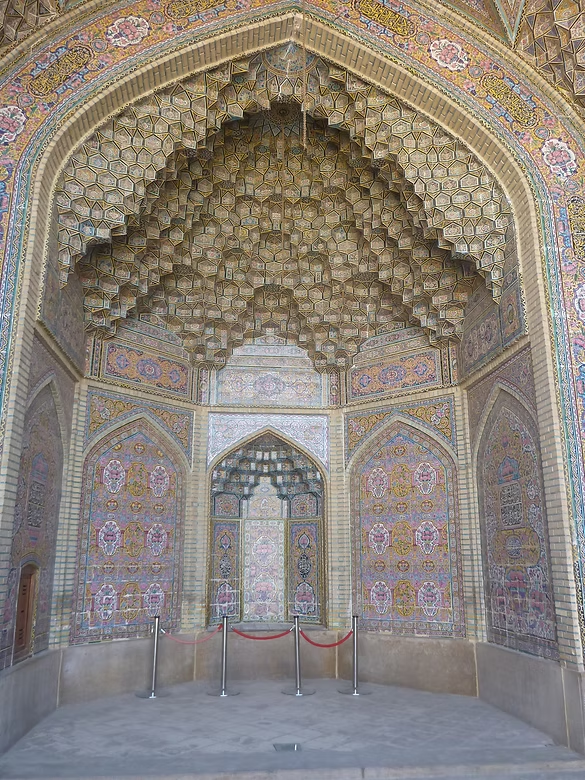
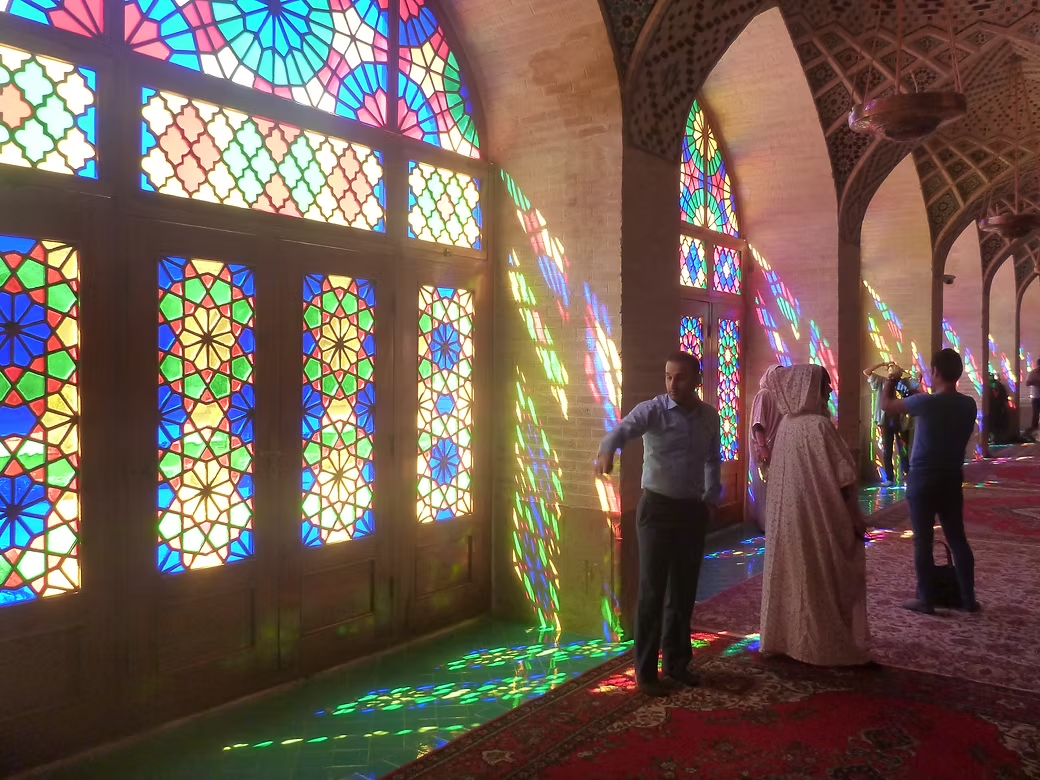
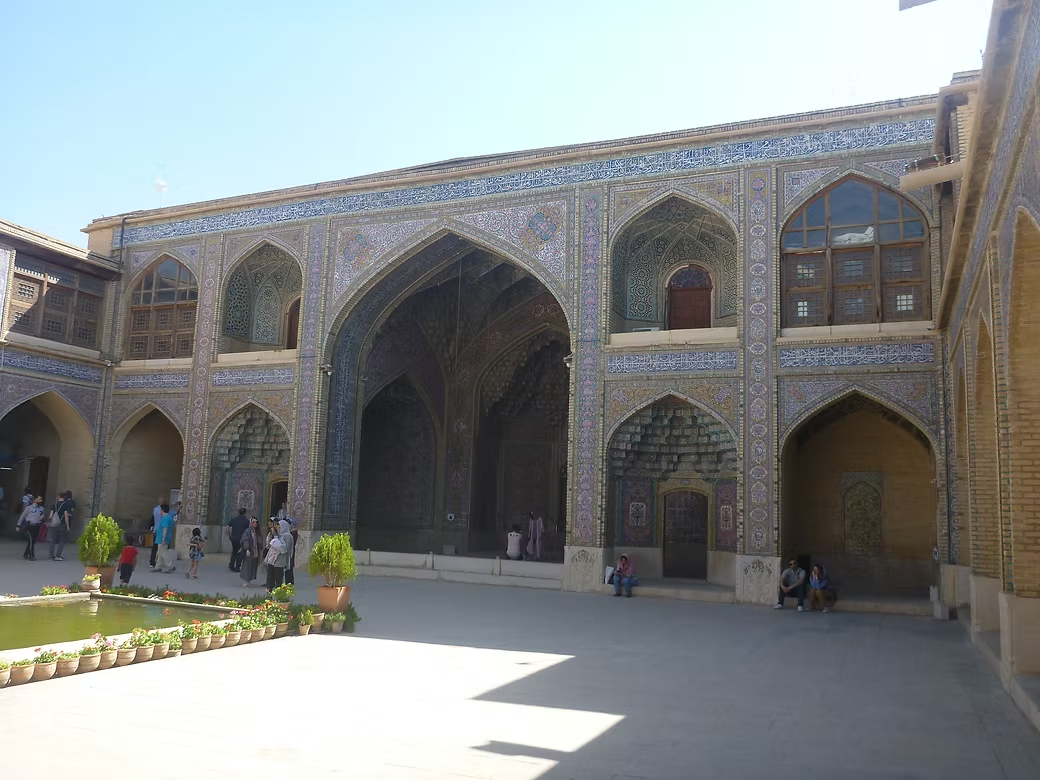
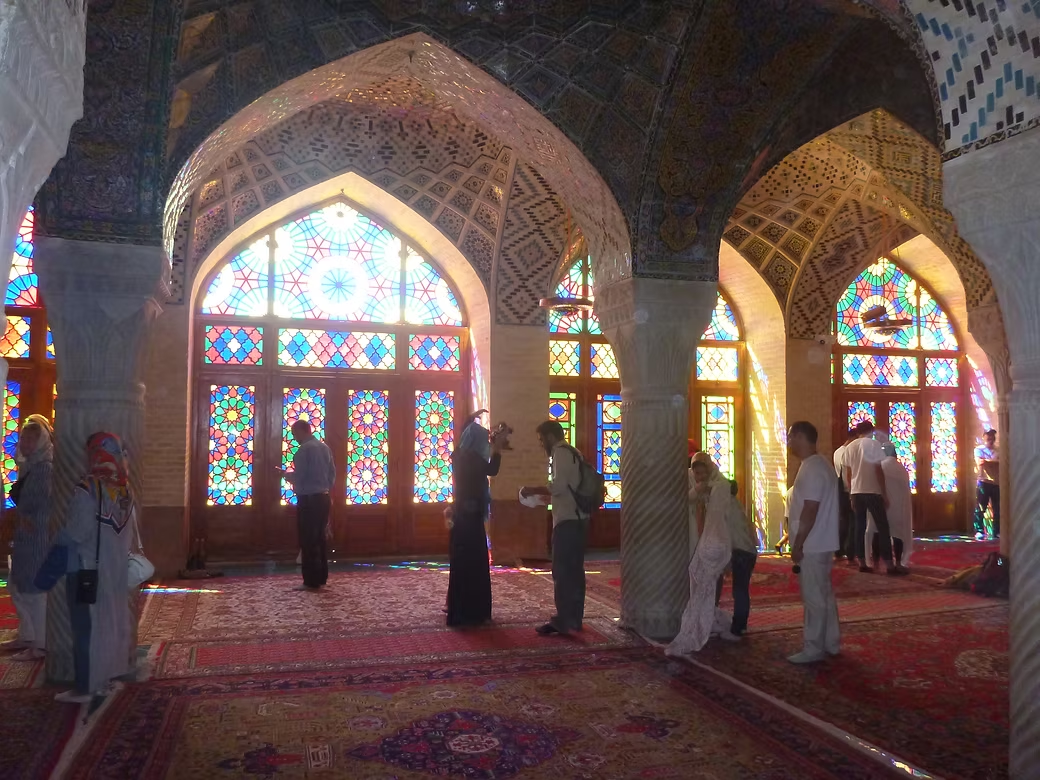
Iran is one of very few countries where Shia Muslims are the majority and the only one where they govern. Sunni and Shia Islam have the same holy book, share very similar beliefs but have rituals, organisation and legal systems with subtle differences. Shia mosques tend to be more highly decorated and Shia venerate saints, which Sunni do not.
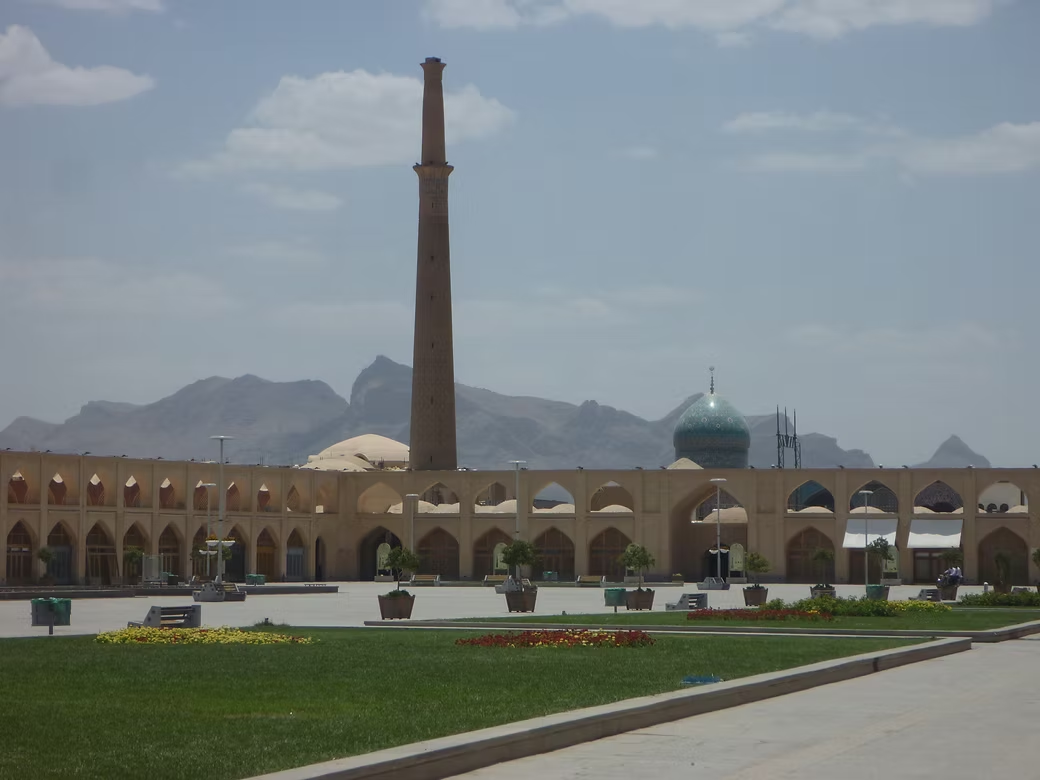
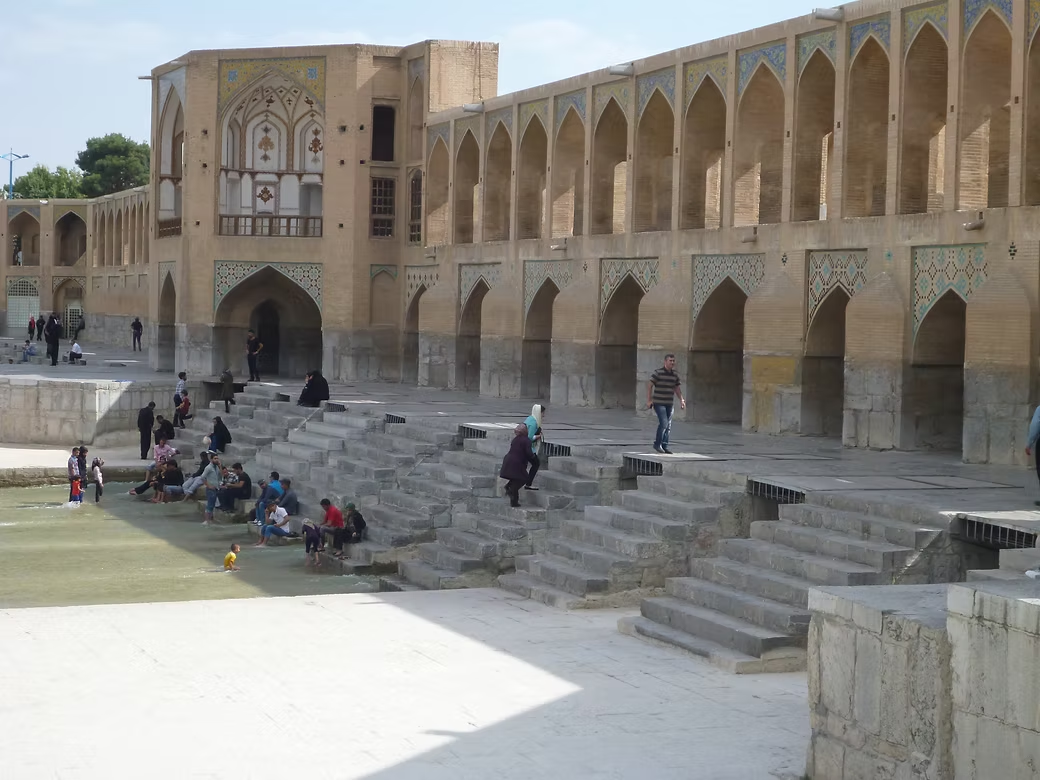

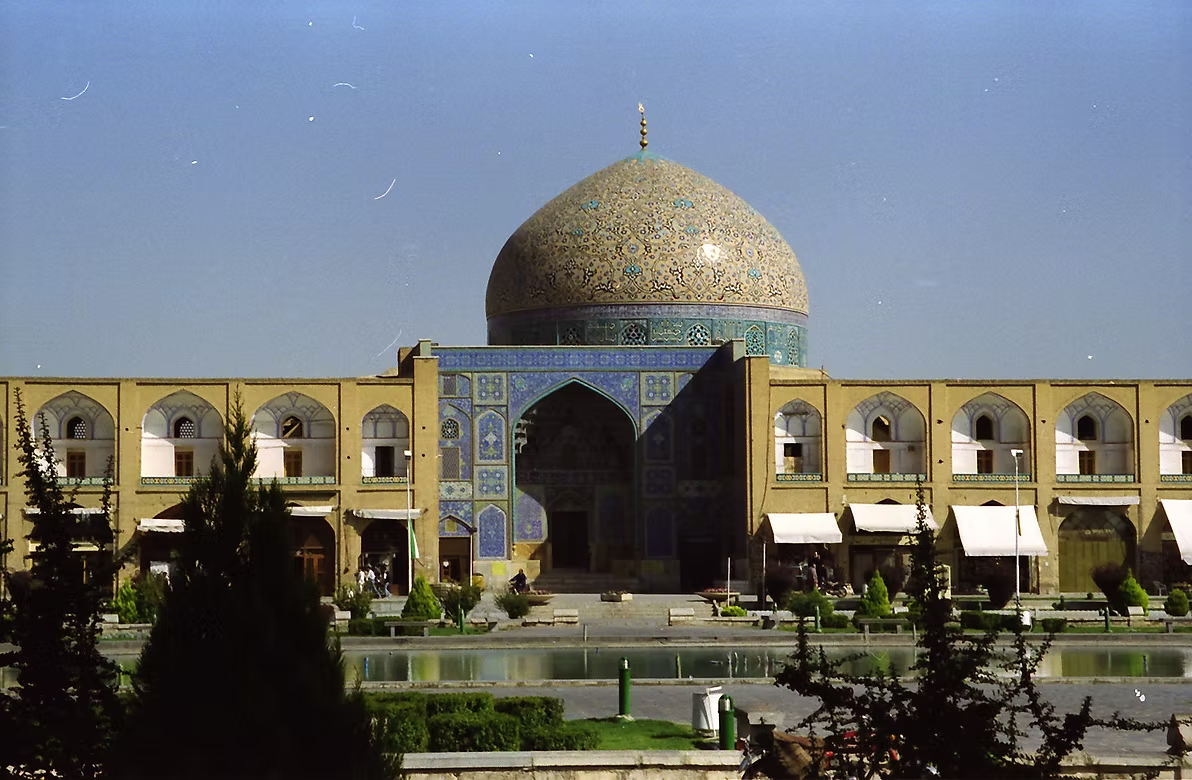
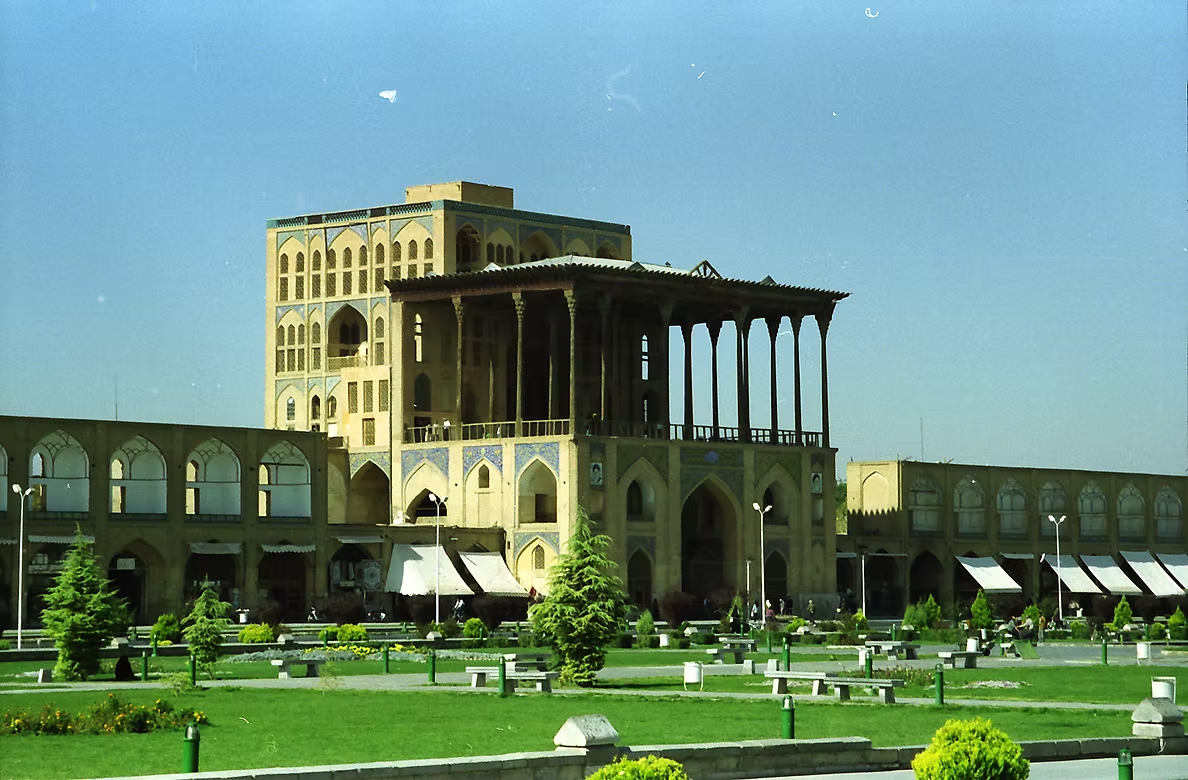









Isfahan
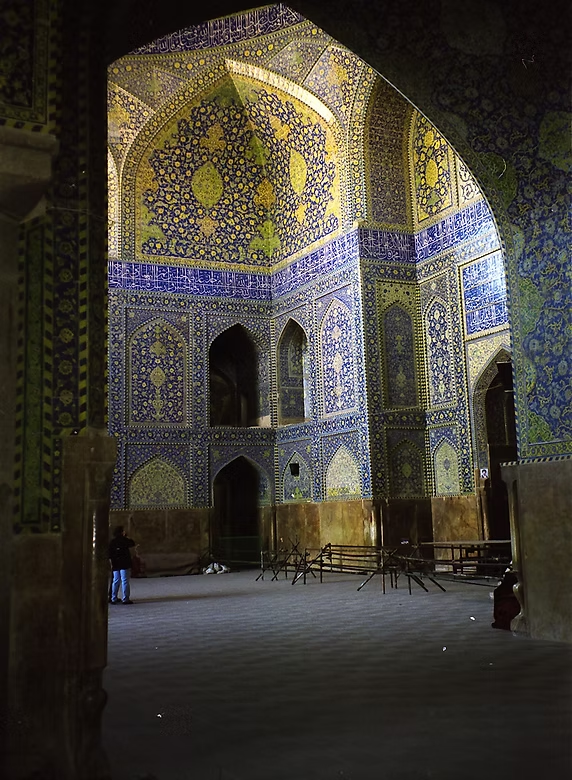
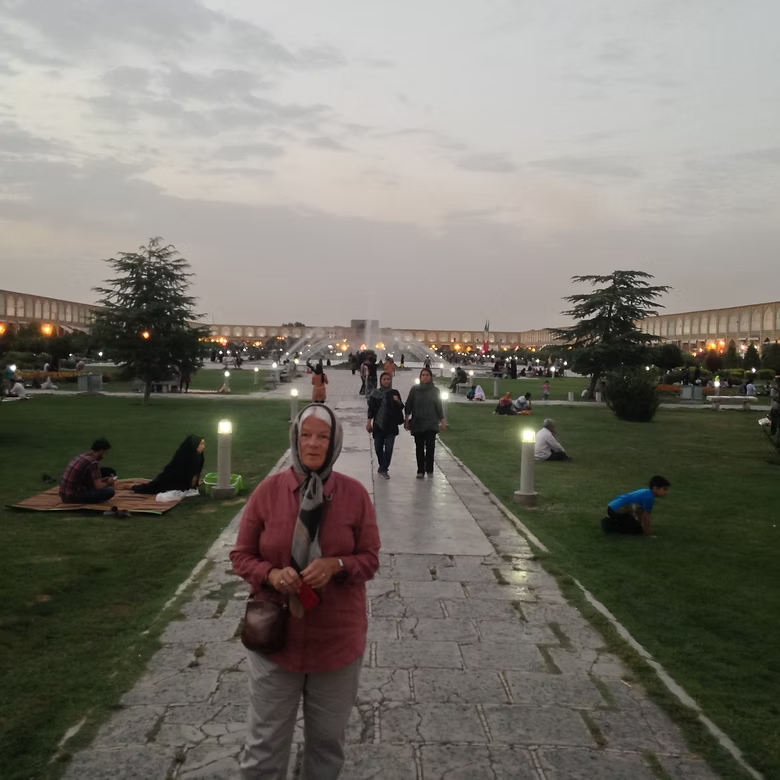
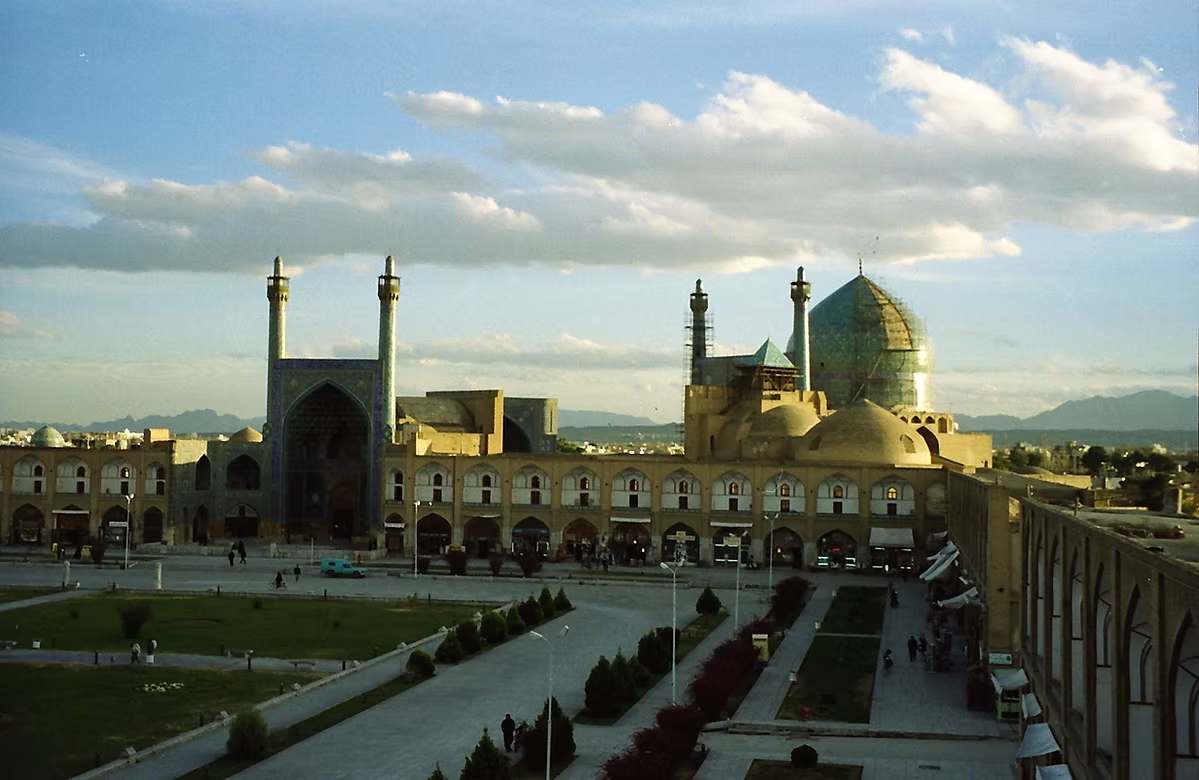
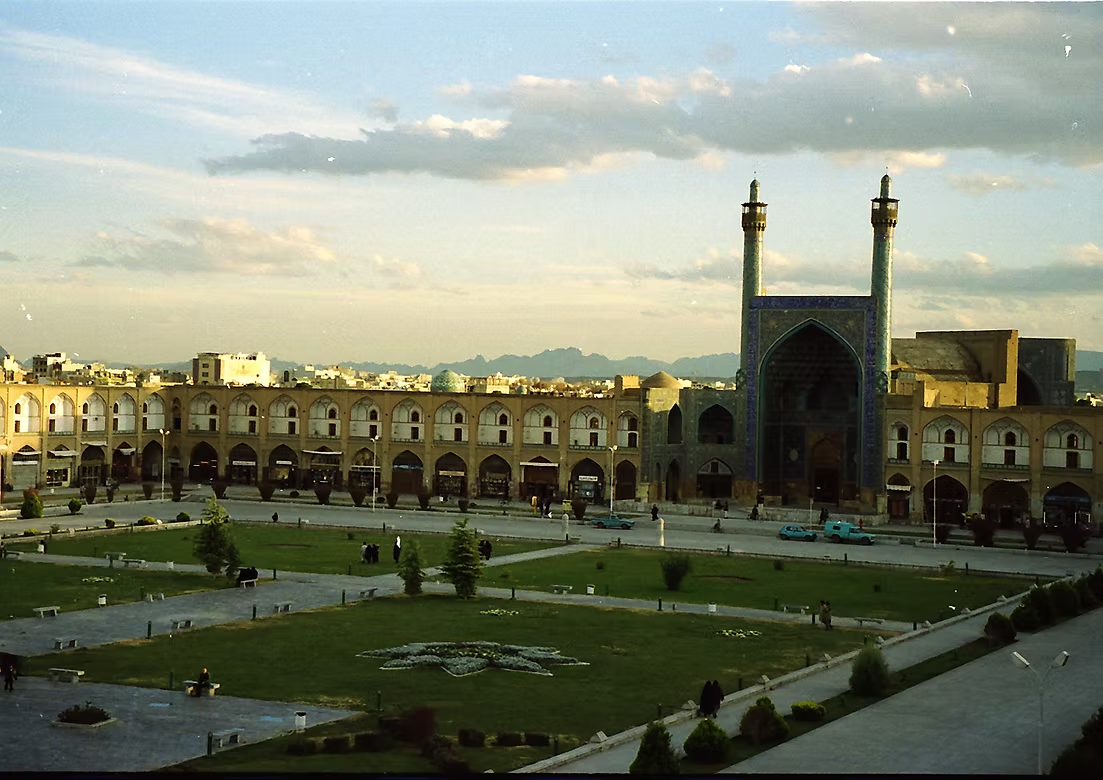
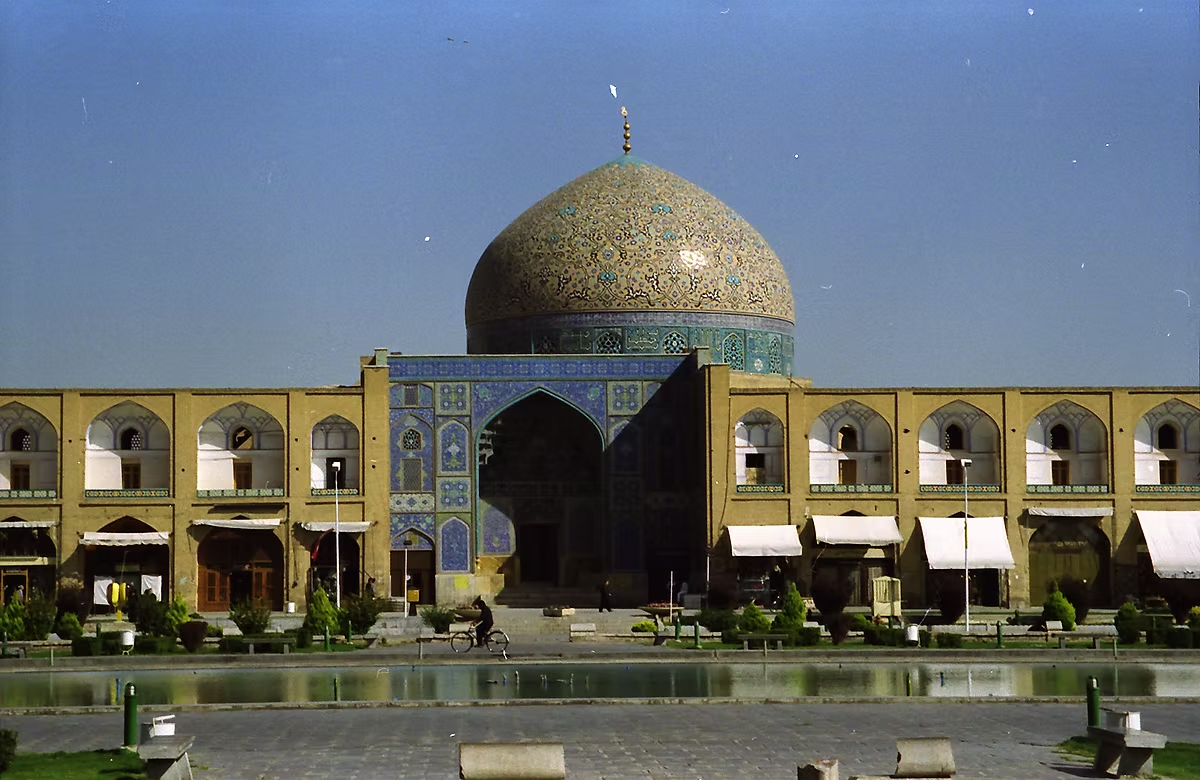
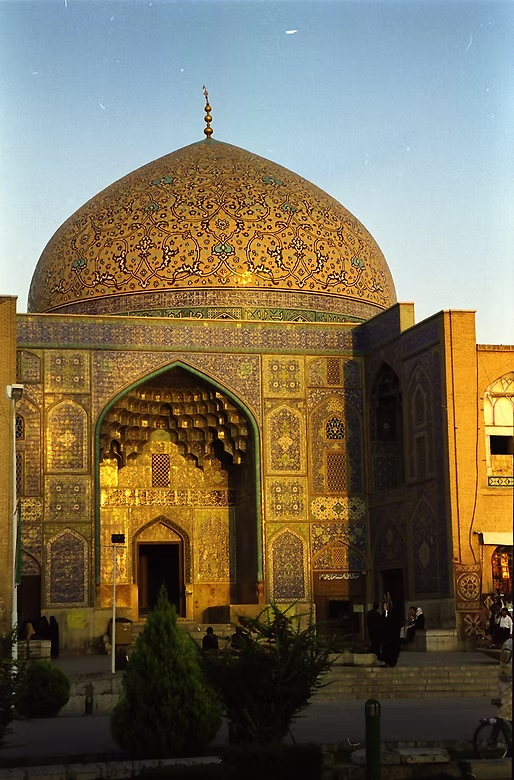
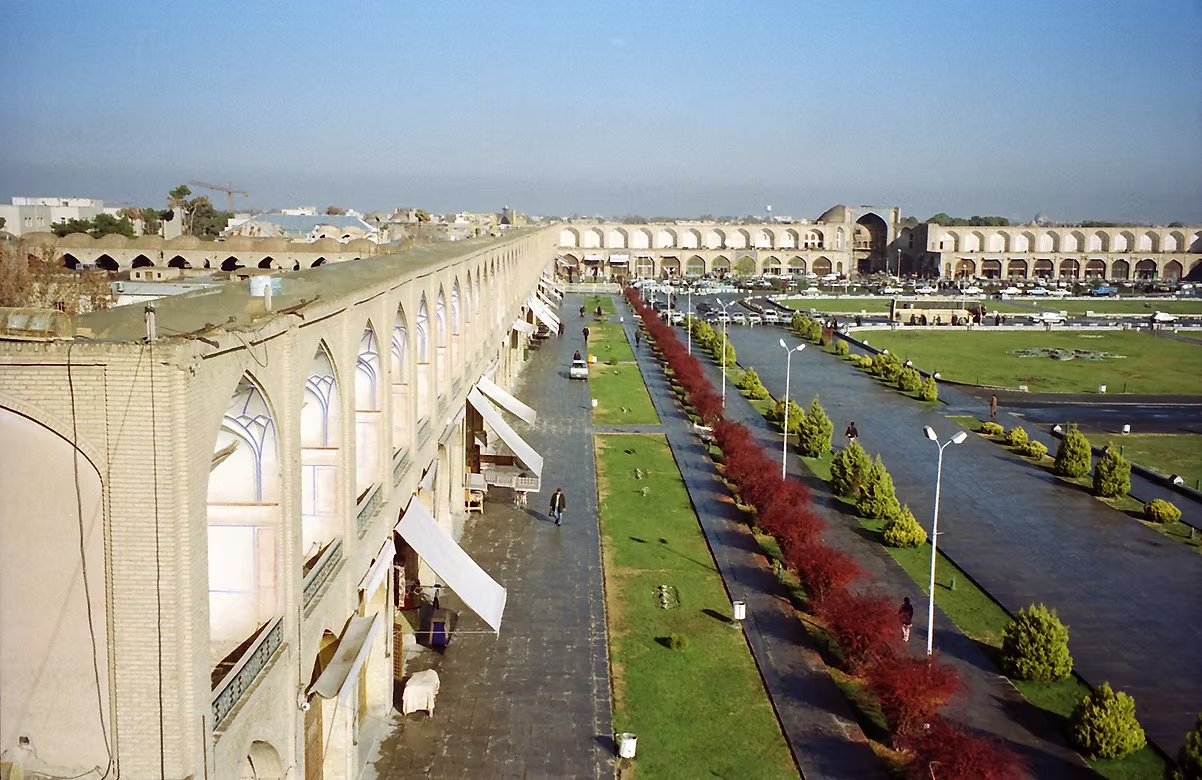
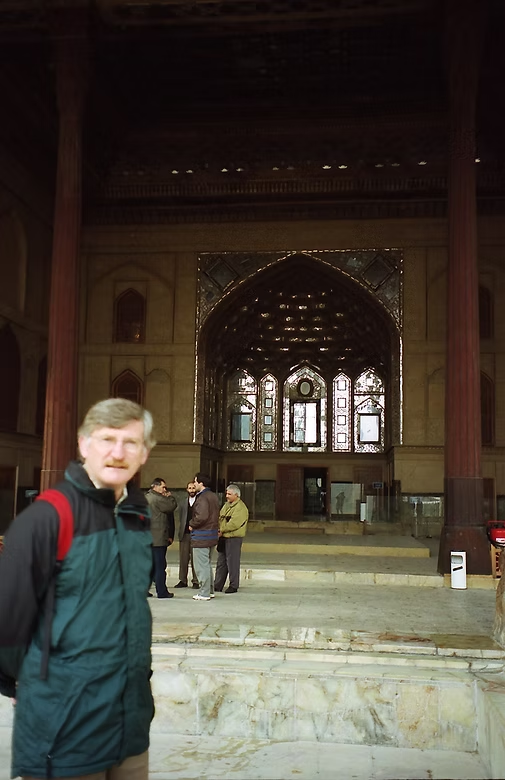
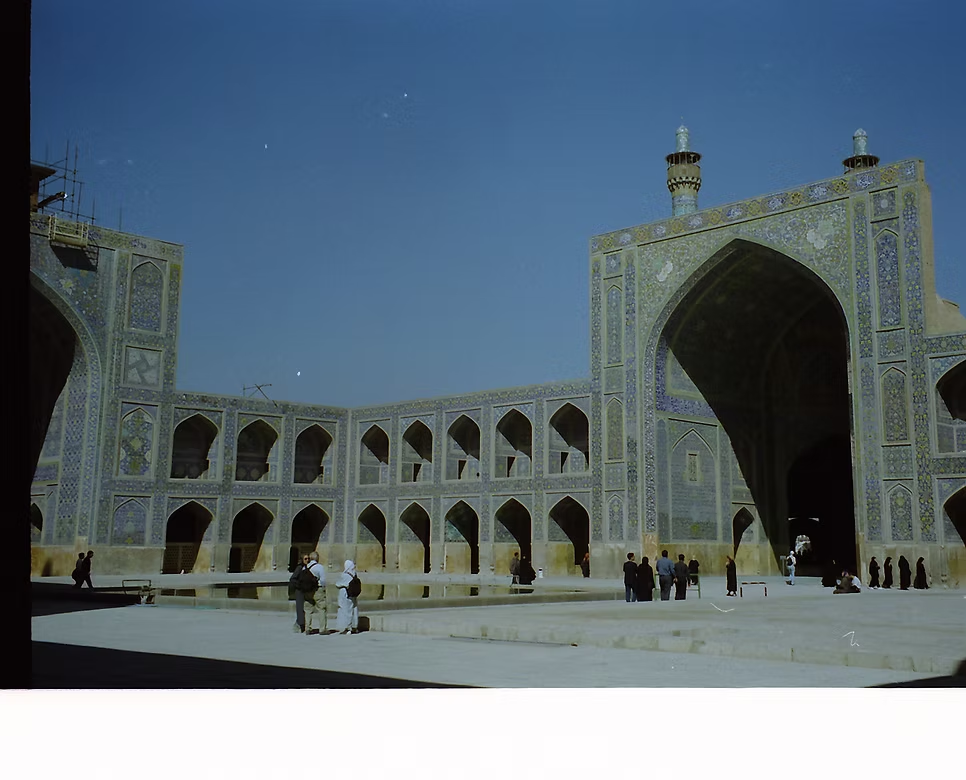
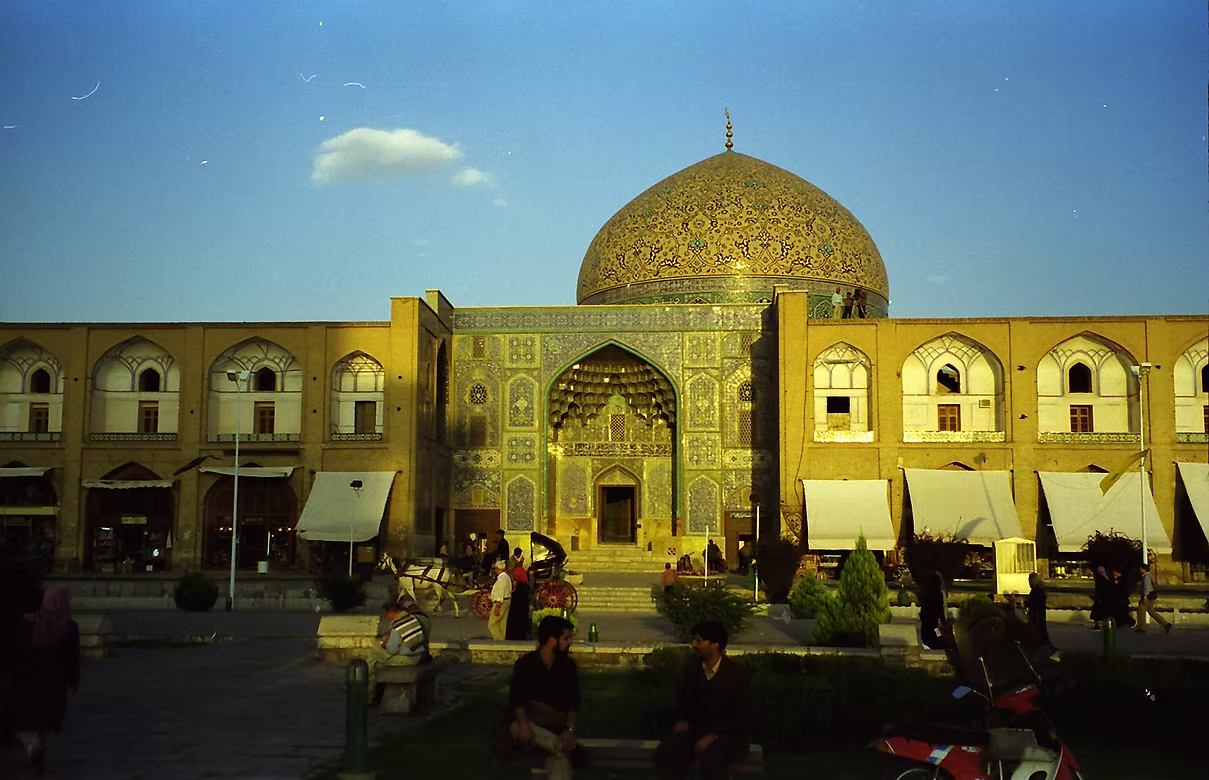
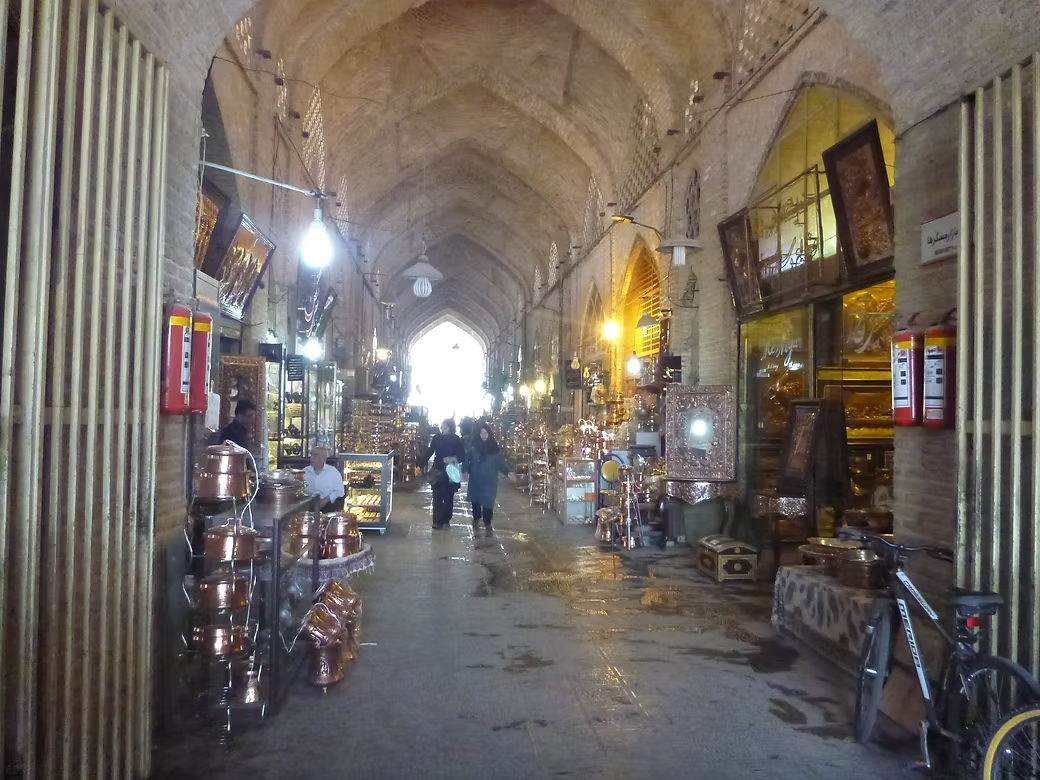
When Shah Jahan made Isfahan the capital of the Safavid Empire in the 16th Century, he built so many mosques, gardens, palaces and bridges that he could rightly claim “Isfahan is half the world”. The centerpiece of it is the Naqsh-e Jahan Square which is 560 meters long and 160 meters wide and is surrounded by two story rows of shops on all sides. At the center of each side are monumental buildings: the Masjed-e Shah Mosque, the Ali Qapu Palace, the entrance to the Bazaar and the Sheik Lofollah mosque. The square has remained the heart of the city to this day and, in the evenings, families come to stroll and to picnic on the lawns.
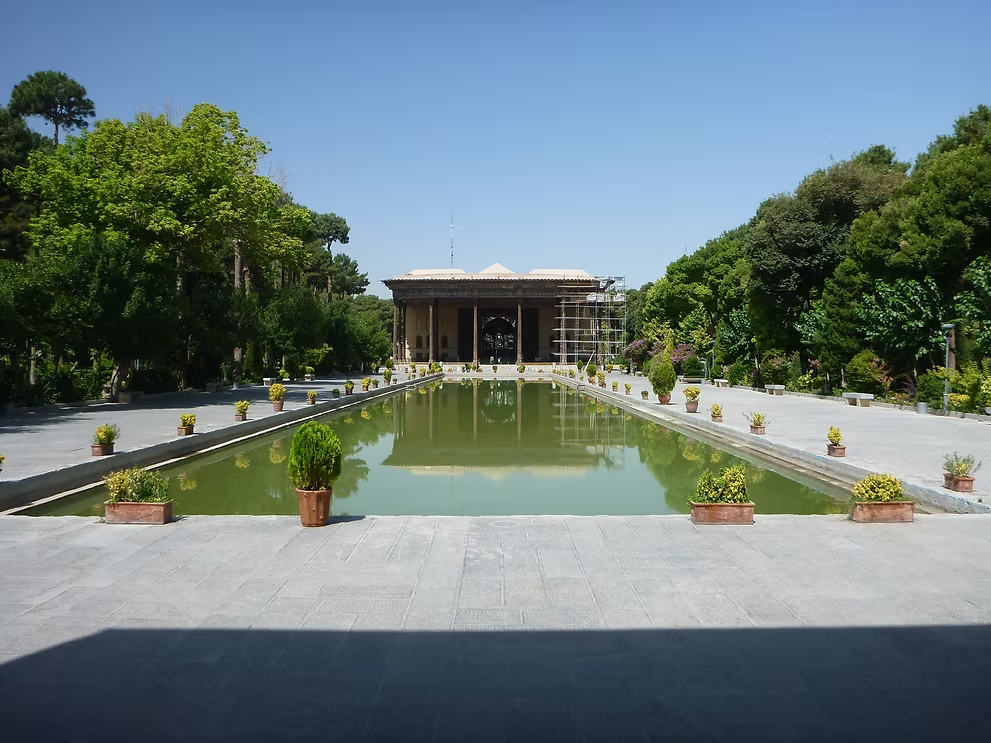
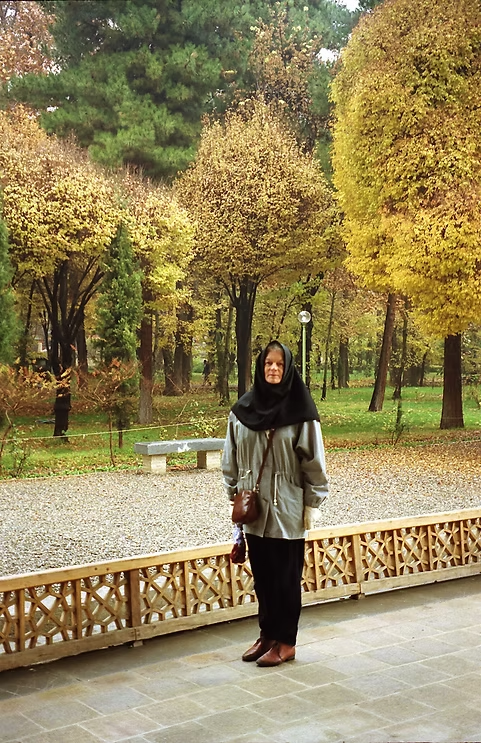
The Chahar Bagh was originally a tree-lined avenue that was six kilometers long and lined with grand houses, orchards and gardens. Much of it was destroyed in the 20th Century and today only the area around the gardens of the Chehel Soutun and Hasht Behesht remain to give some idea of what it would have been like.
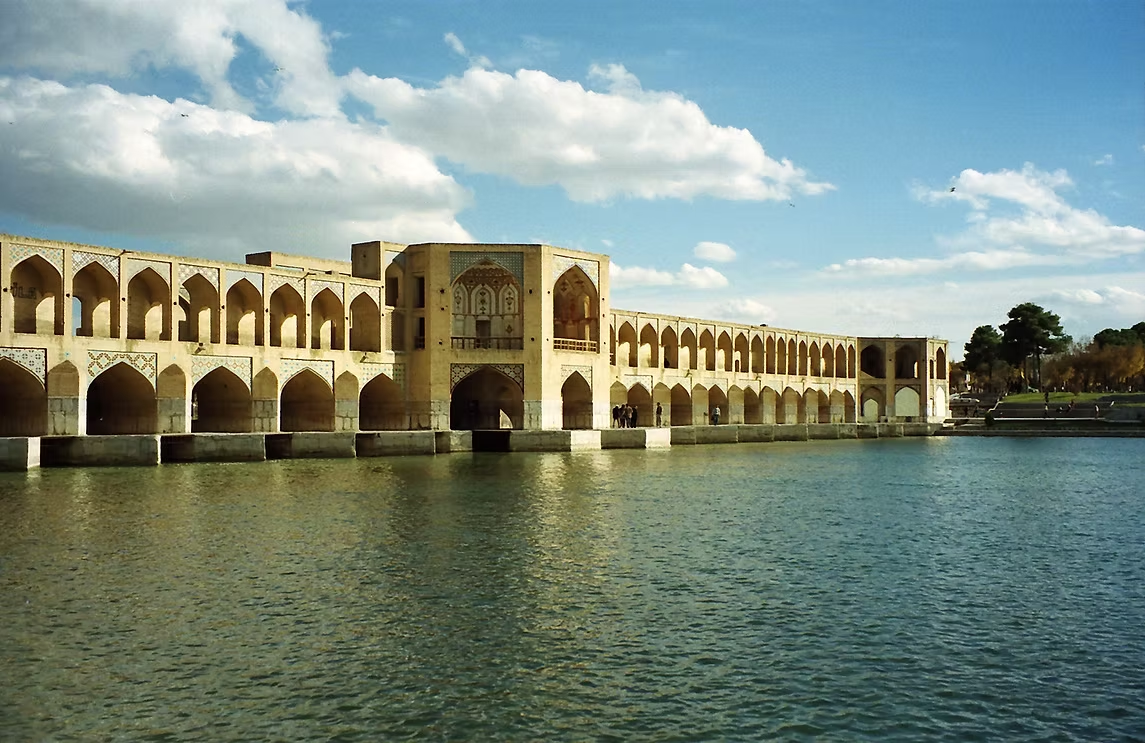
The are are five historic bridges across the Zayandeh River that brings water from the Zagros Range that form the backdrop to the city. The oldest is the Shahrestan Bridge that was re-built in the 10th and 11th Centuries on foundations that date back to the 3rd Century. On the far side of the river is the Christian Quarter that includes the superbly decorated Vank Cathedral. There are estimated to be a million Christians (of many different denominations) in Iran although they have always been a minority with the majority of Iranians being Zoroastrian until the 7th Century when most converted to Islam.


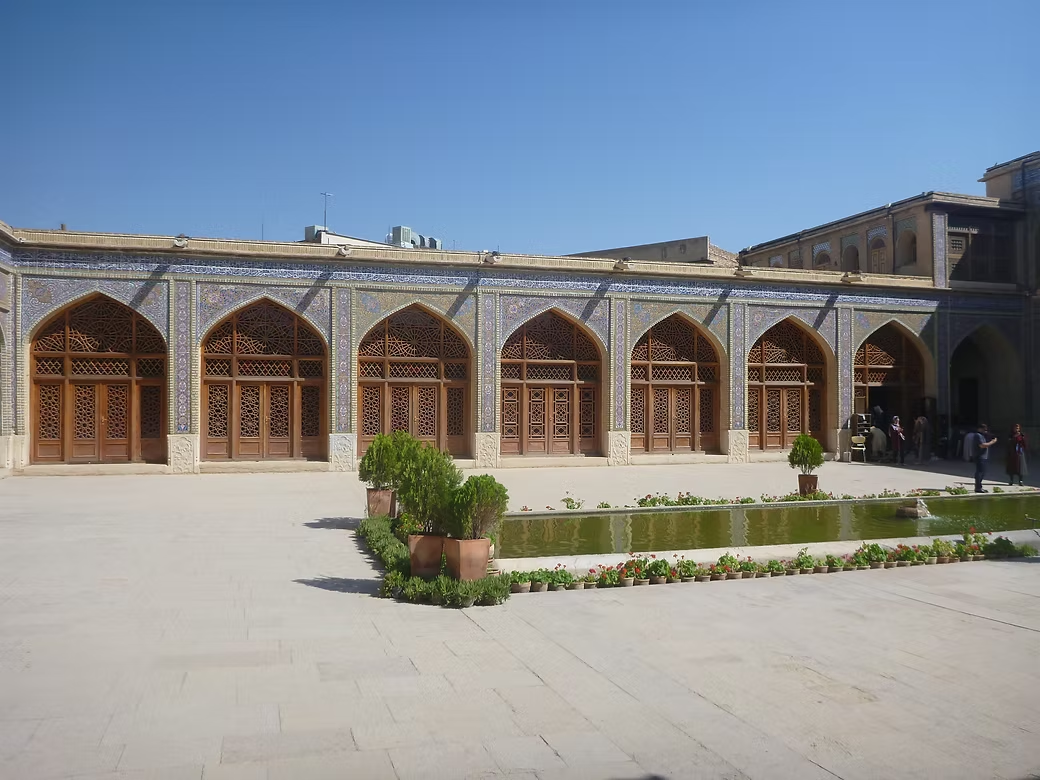


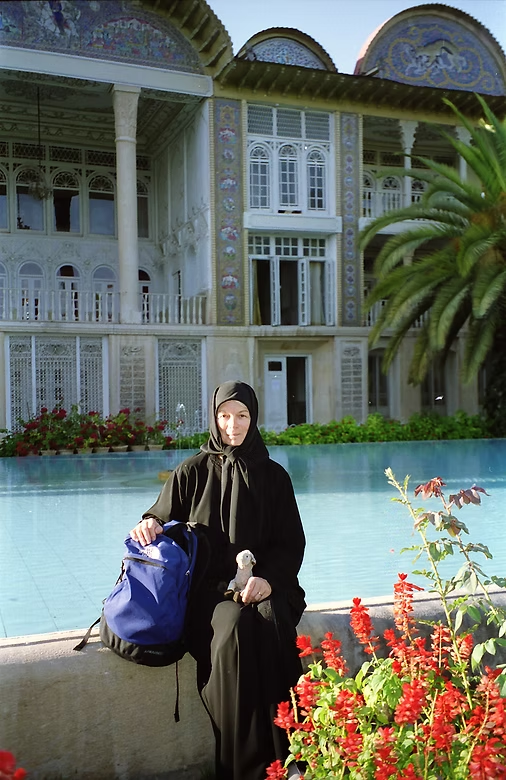









Shiraz & Persepolis
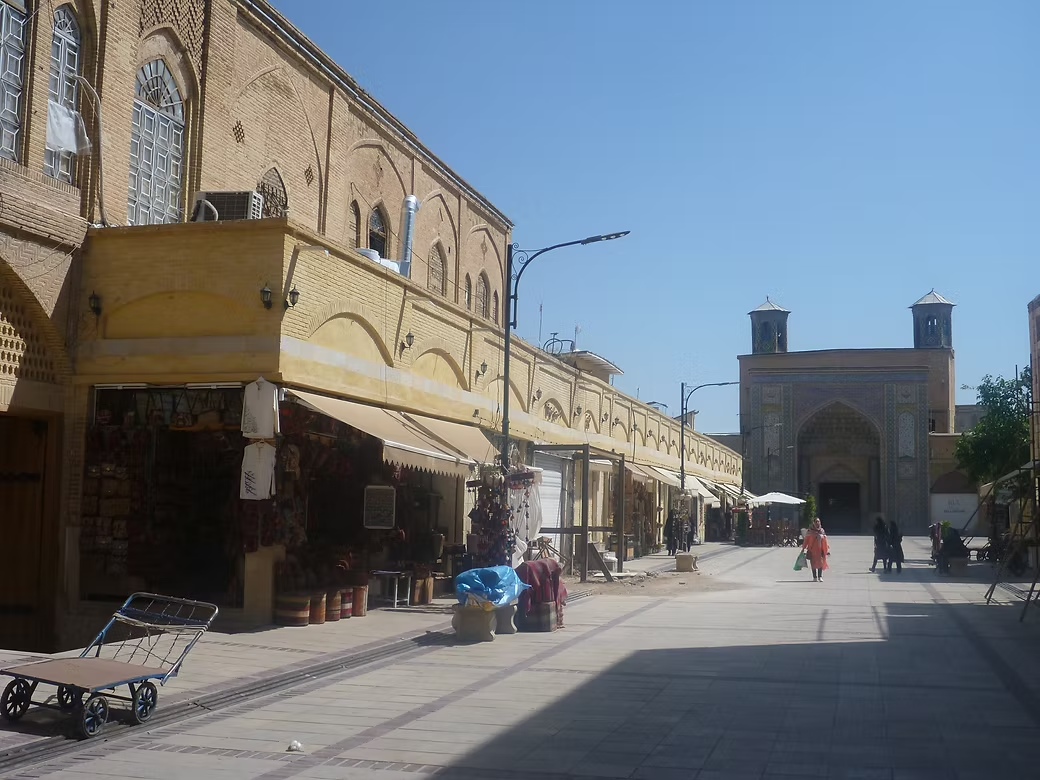
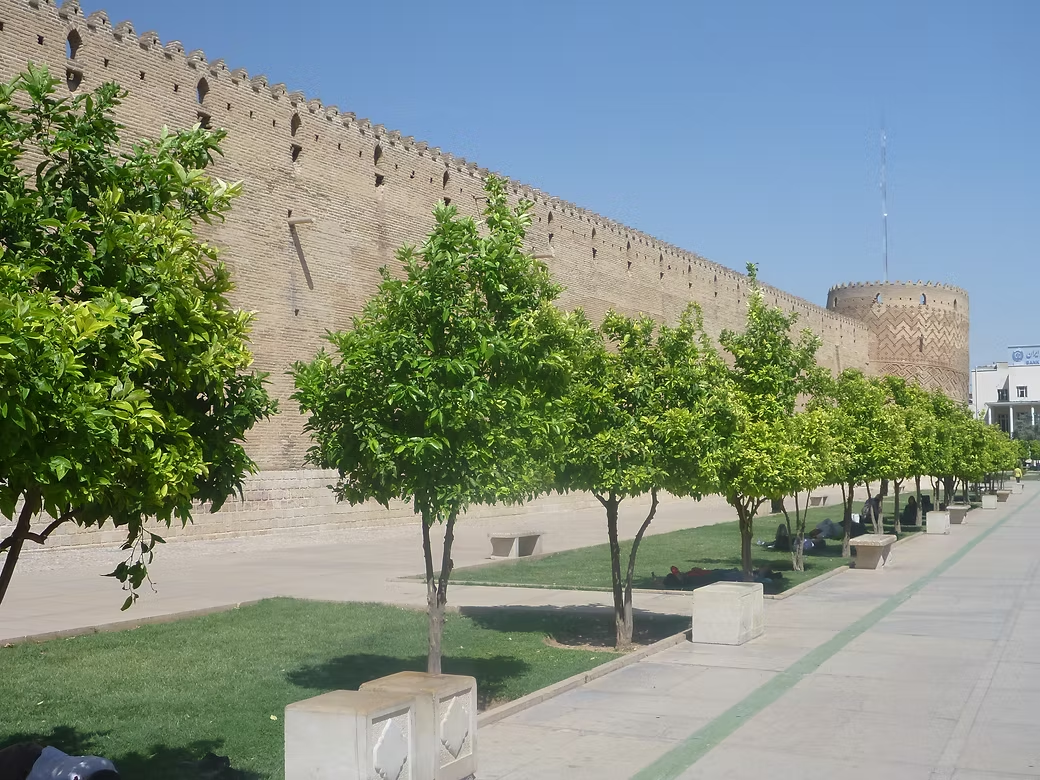
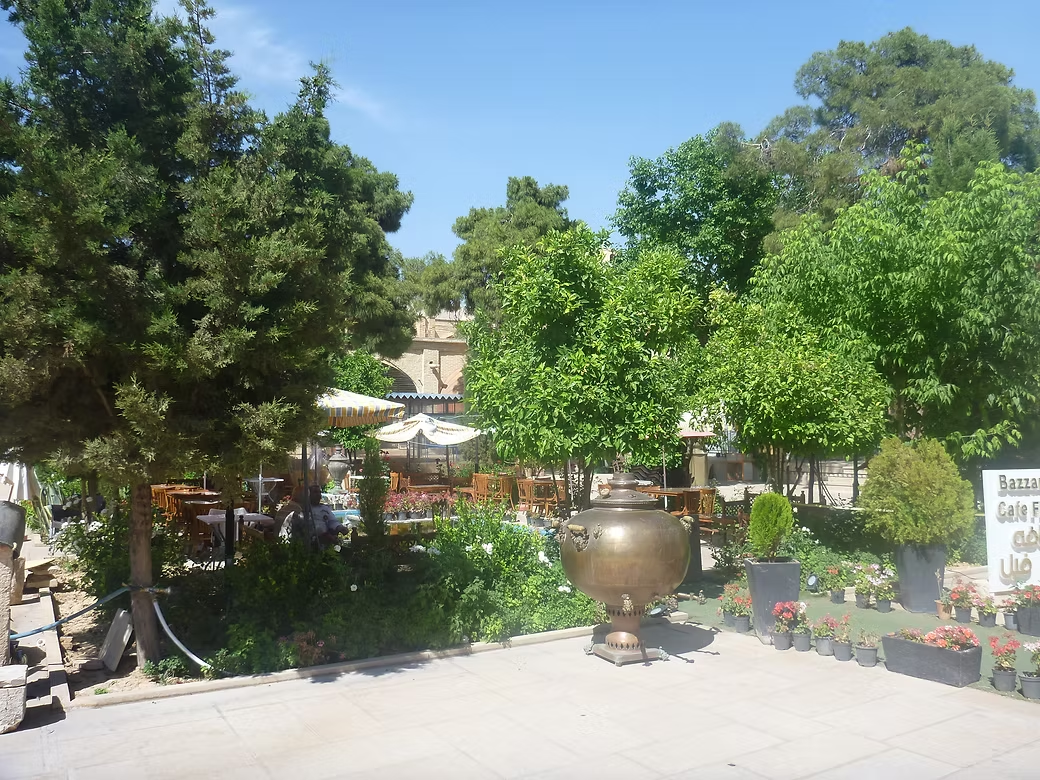
The present city of Shiraz was founded about 700AD but there may have been a settlement in the vicinity since around 2000 BC.
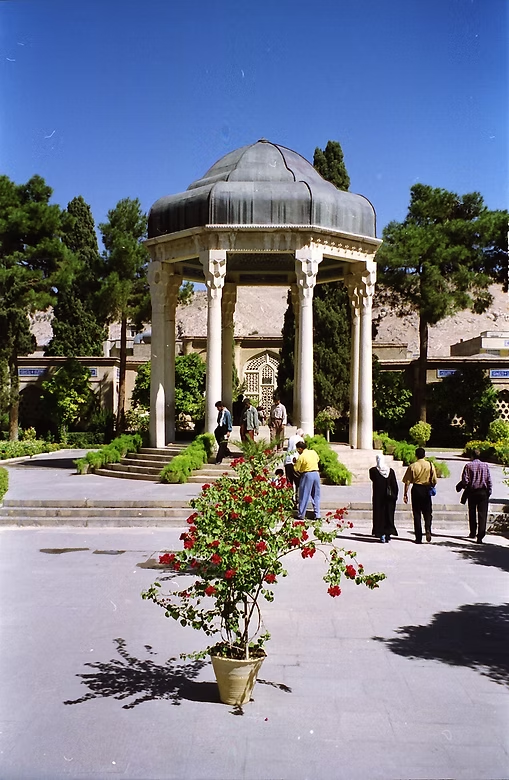
Shiraz is where the poets Hafez and Saadi lived in the 13th and 14th Centuries and their tombs are set in rose gardens and visited by many ordinary Iranians.
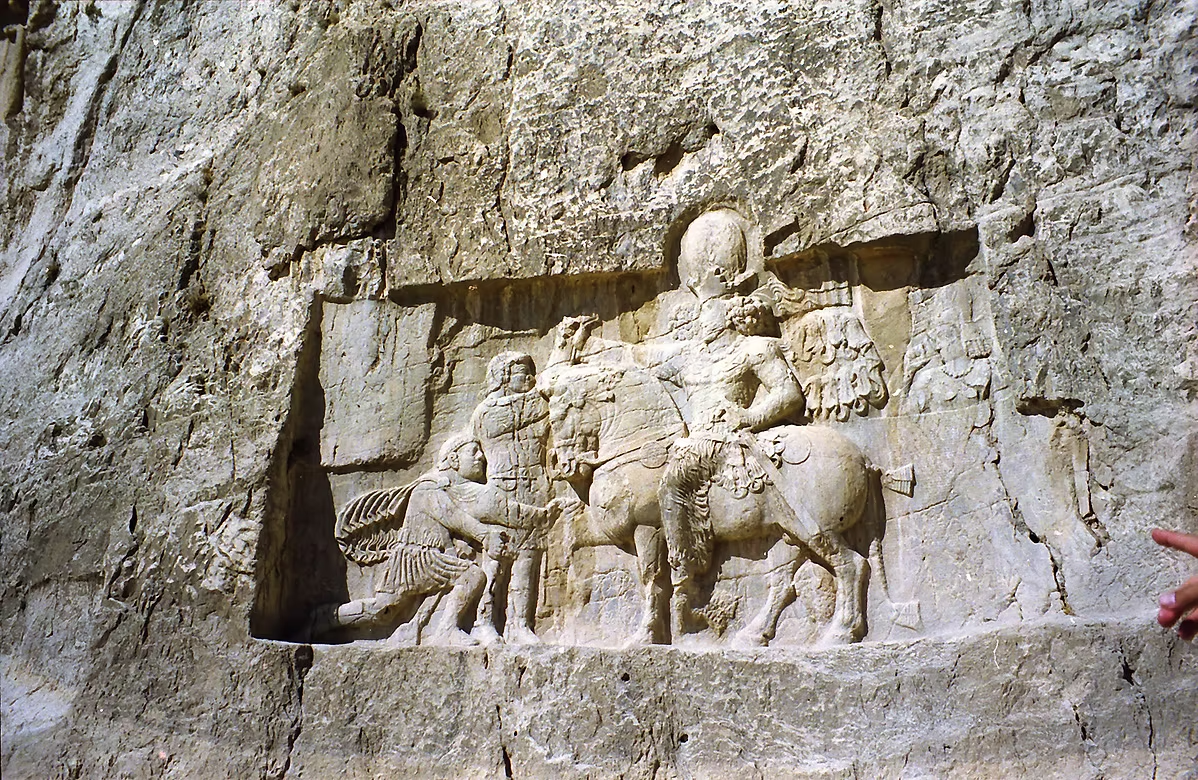
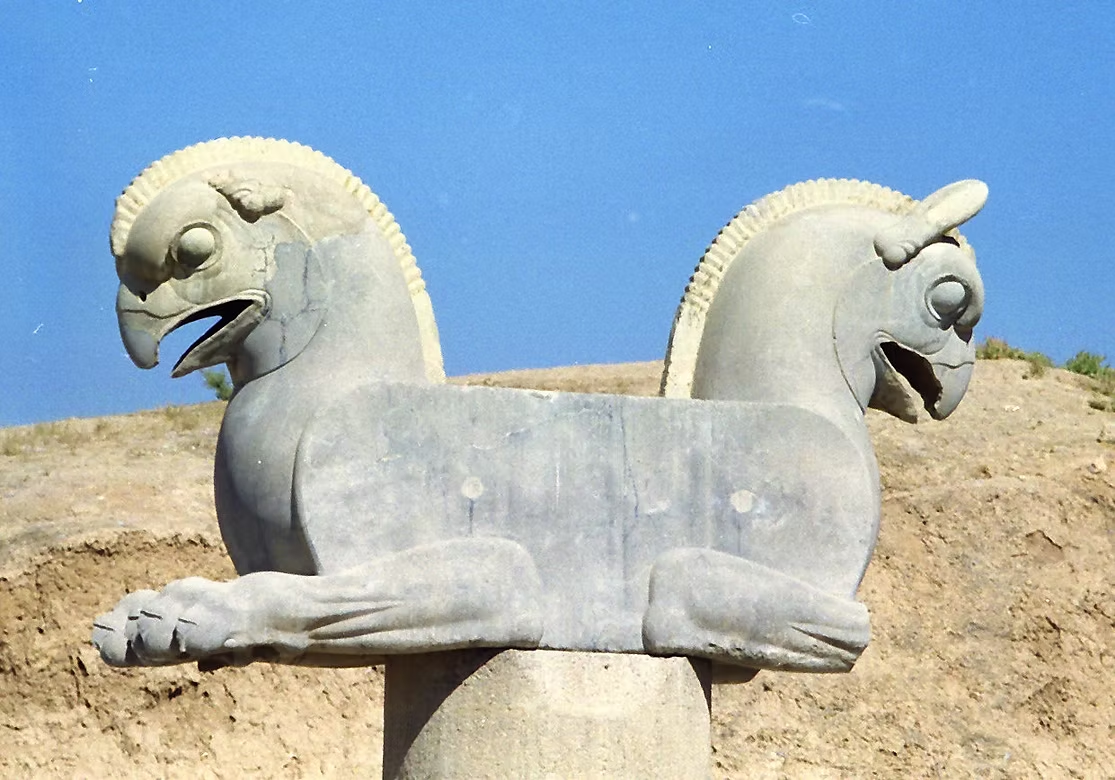
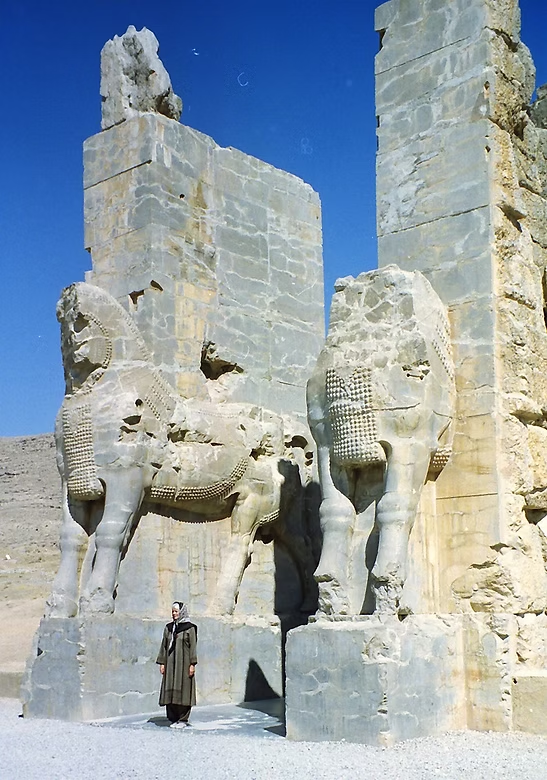
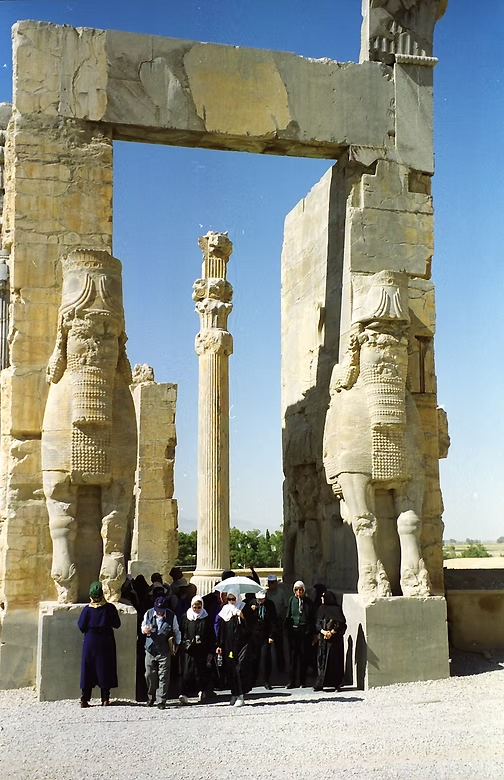
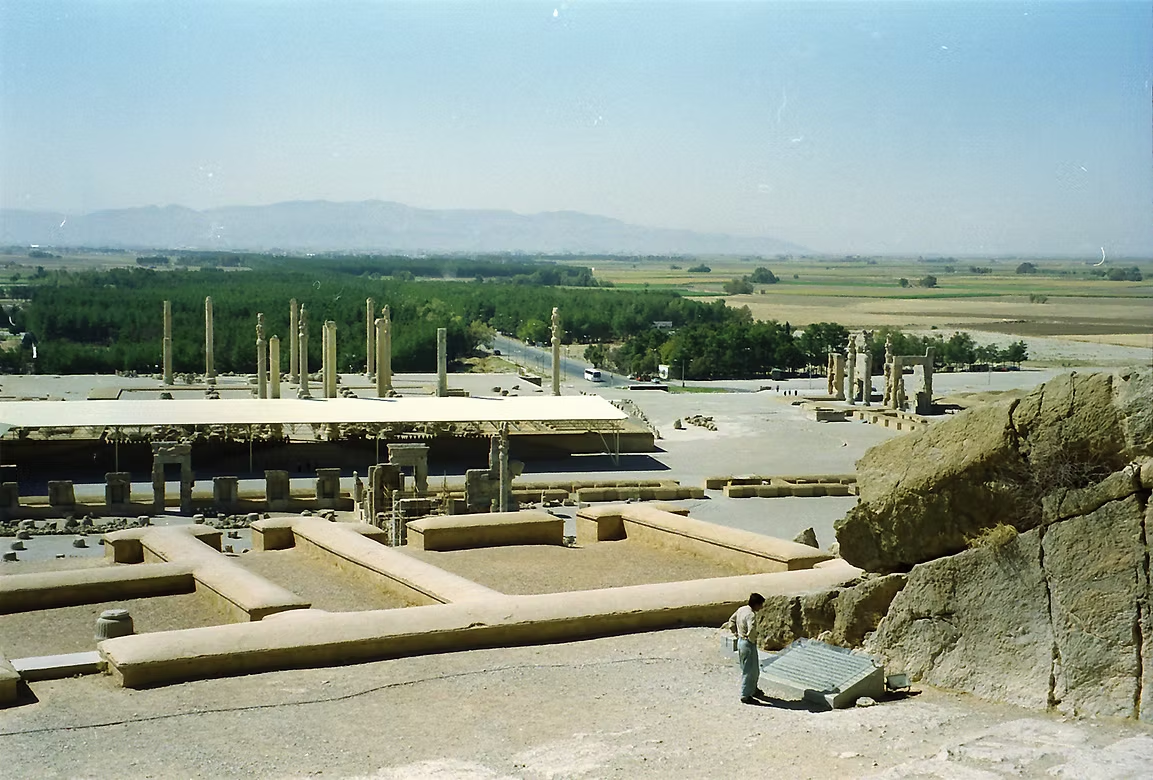
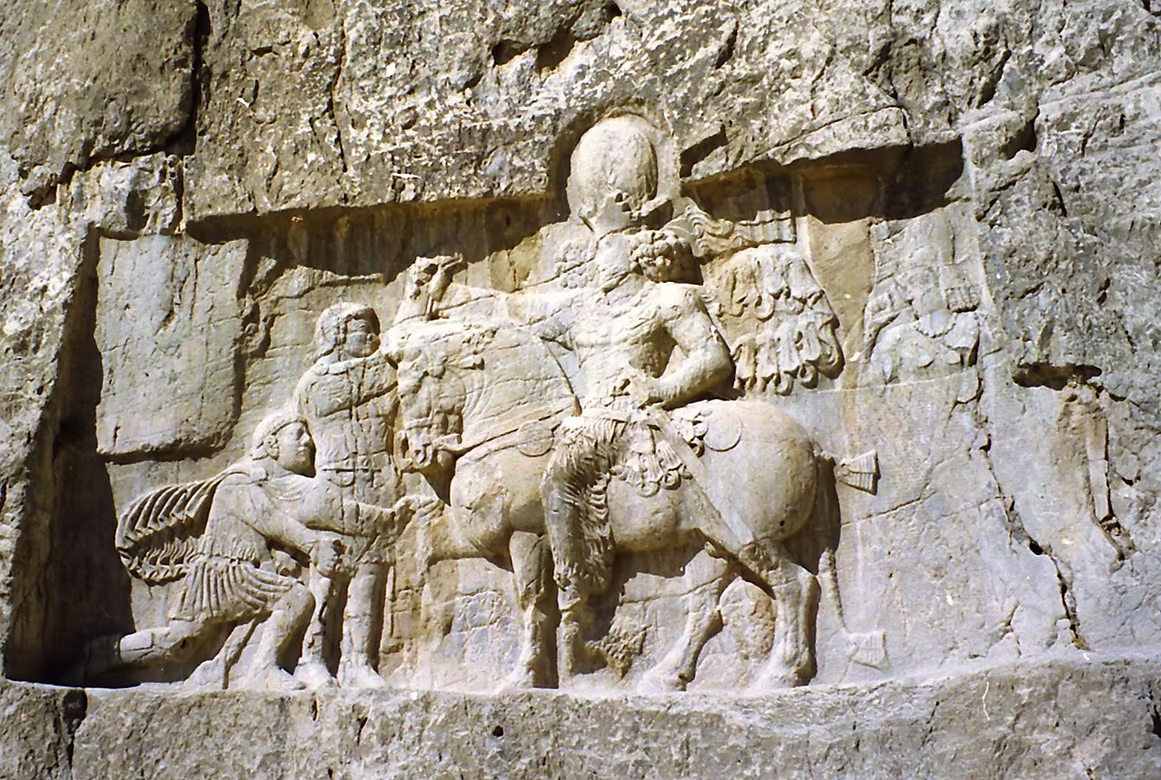
60km to the north east of Shiraz are the ruins of Persepolis, the ceremonial capital of the Archaemenid Empire, with ruins dating to 615 BC. The site is massive and the stonework is remarkable but there were almost deserted with the only people visiting being a few Iranian tourists.
A further 30km beyond Persepolis are the remains of Pasagardae which was the original capital and whose main feature is the tomb of Cyrus the Great. The empire was founded by Cyrus and extended by Darius and Xerxes and stretched, at its peak, from the Balkans to the Indus Valley including Turkey, lower Egypt and parts of Greece. It eventually fell to Alexander the Great in the 4th Century BC who burnt Persepolis in revenge for the burning of Athens some 150 years before.



Kashan
Kashan is a town with a population of about 400,000 on the road from Qom to Esfahan. The achaeological site of Tepe Sialk in its suburbs has a central ziggurat built in 3000 BC and the site has been settled since 5500-6000 BC.
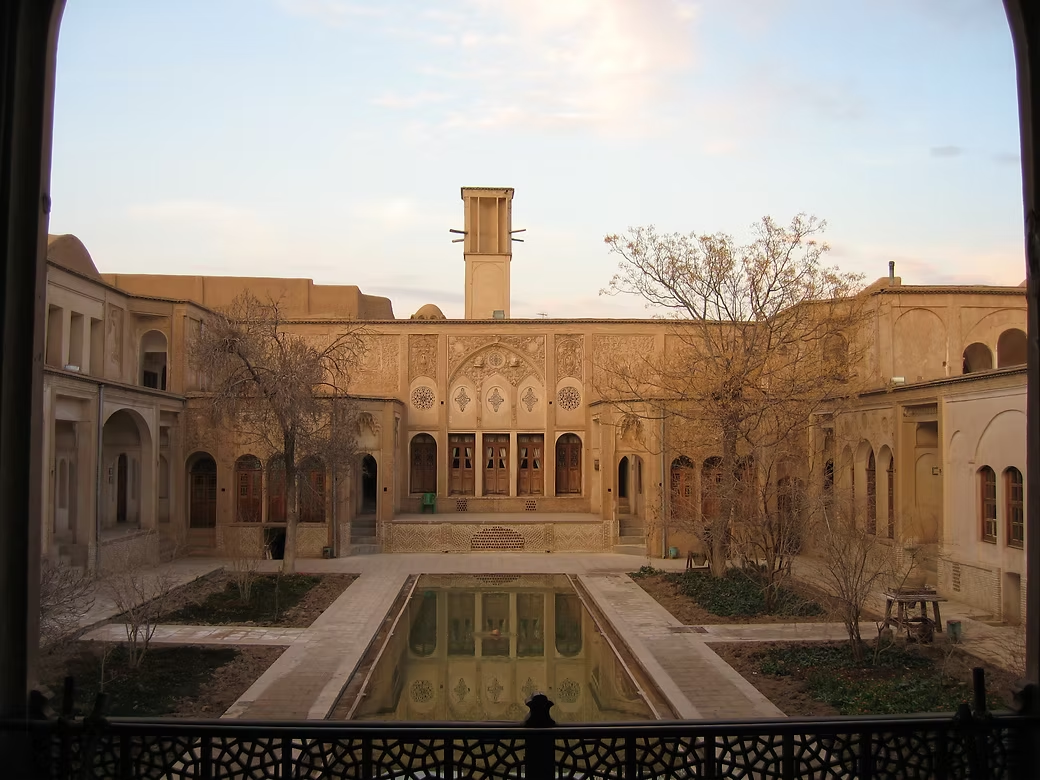
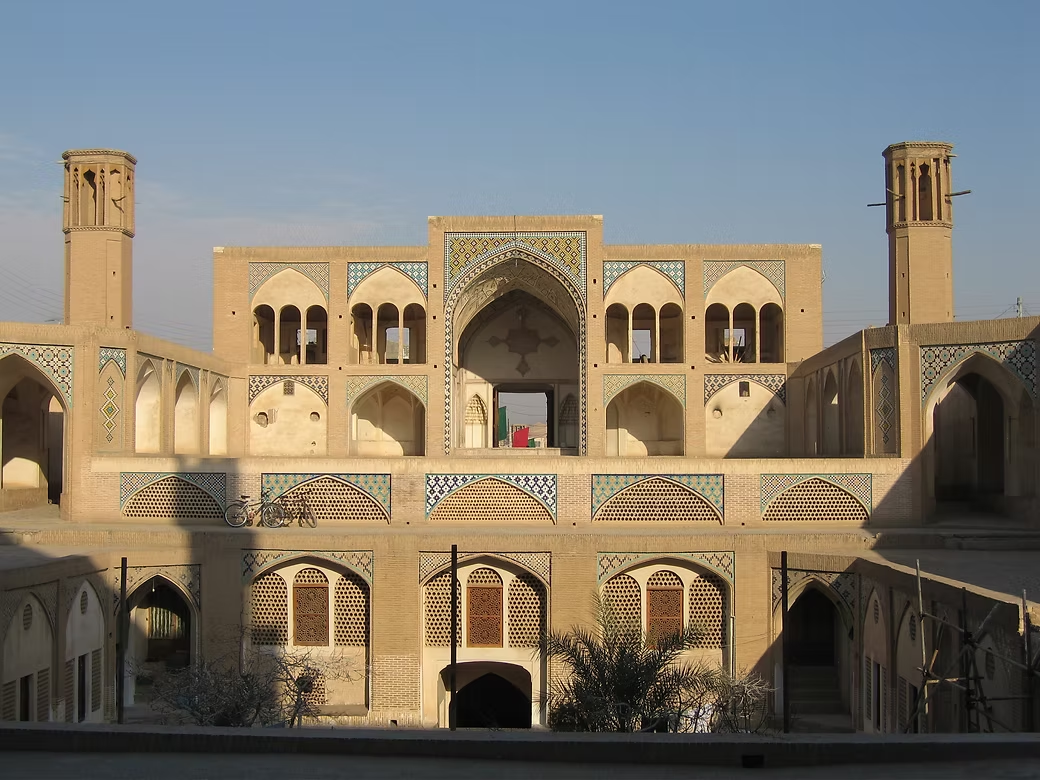
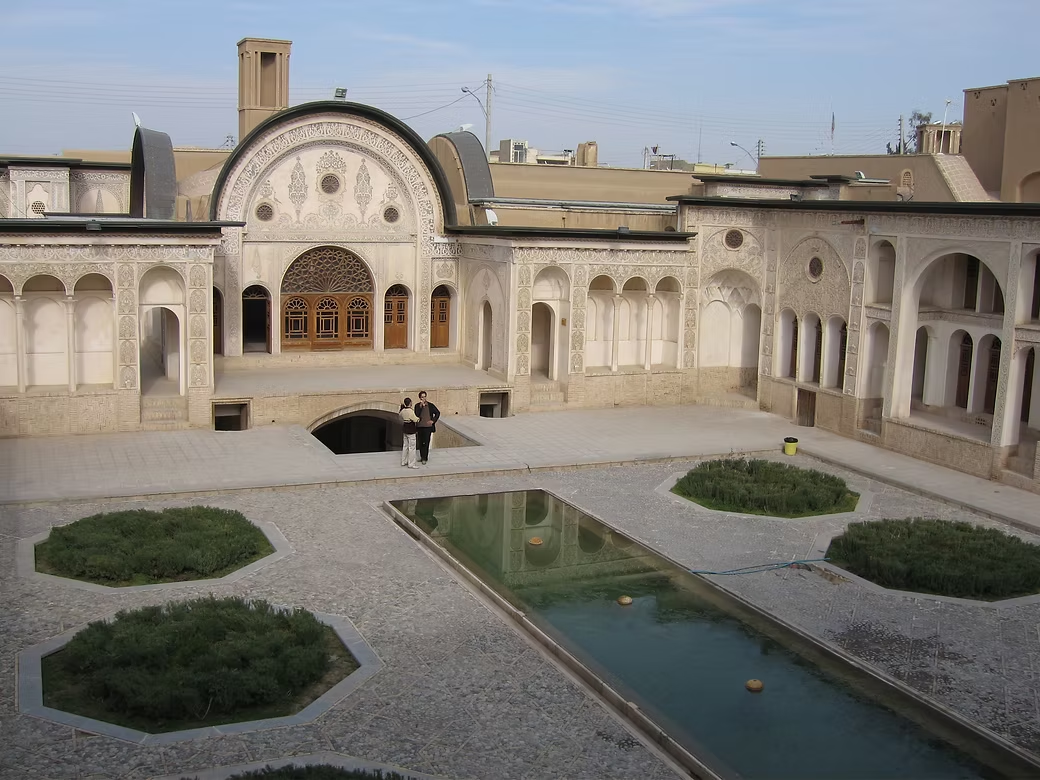
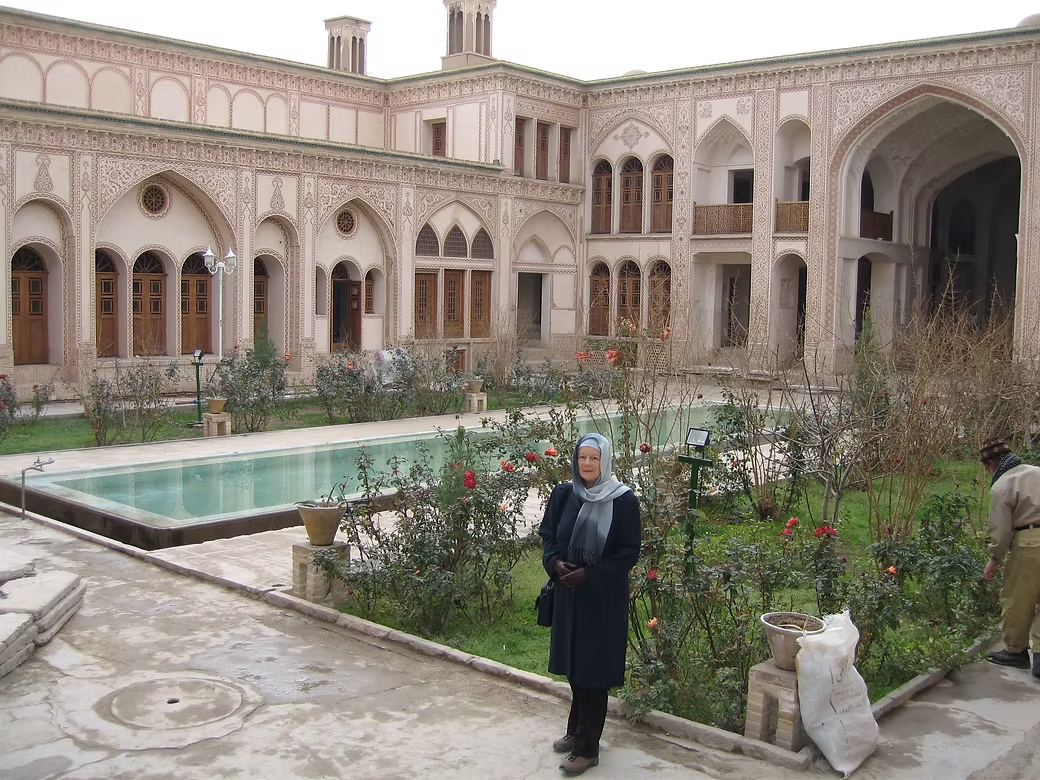
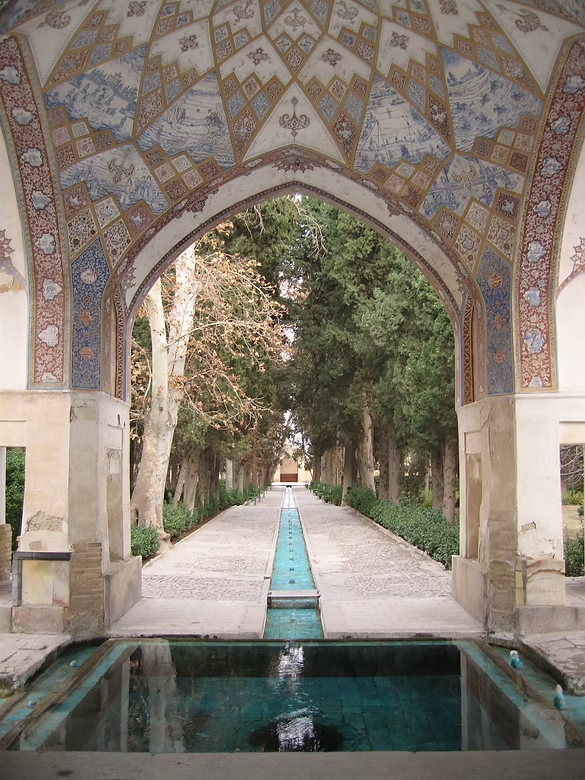
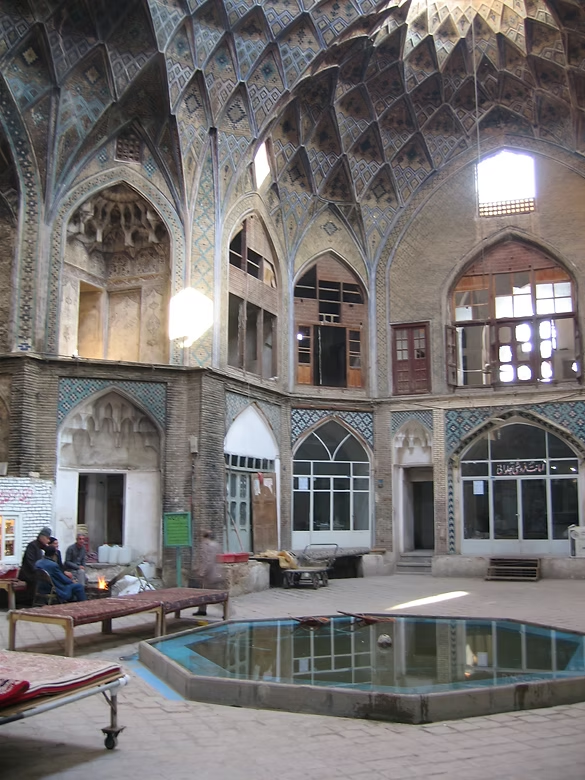
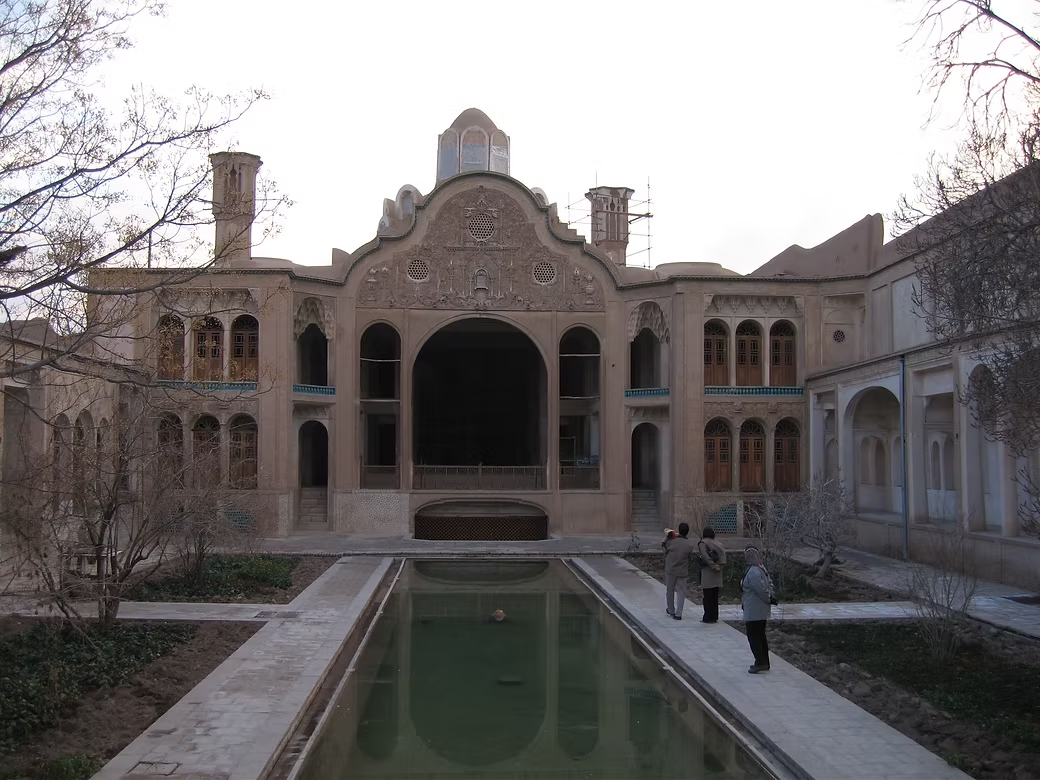
The town is not much visited by tourists but it has a range of interesting things to see including the Fin garden, an ancient bazaar and a number of decorated mansions from the 18th and 19th centuries.
There had been a notable garden near the village of Fin for thousands of years but it was destroyed by an earthquake in 982 AD. Shah Abbas established the current garden in the 16th Century but the buildings were destroyed in another earthquake in 1778. It was rebuilt then and had further restoration in the 19th Century. The garden covers 2.3 hectares and is built around a spring so there are many pools and fountains as well as floral displays and ancient trees.
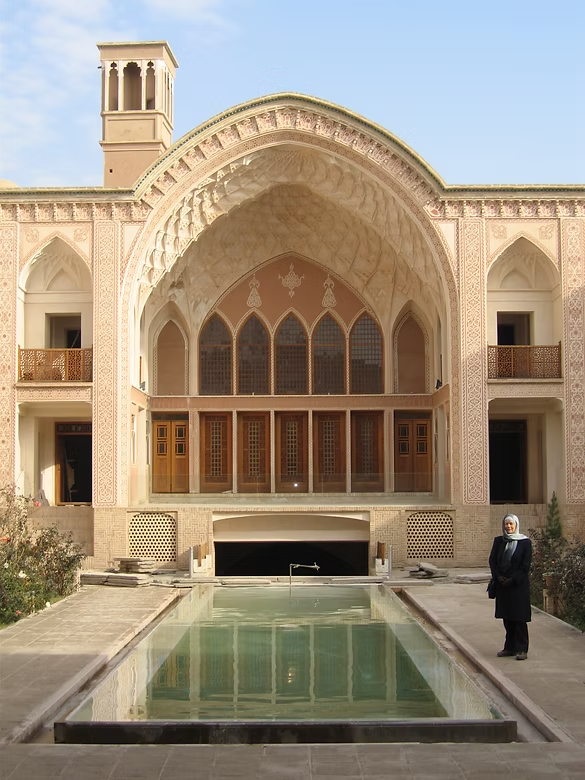
There are some huge and superbly decorated mansions that have recently been restored as museums. They were built in the 18th and 19th Centuries for notable Iranian families like the Tabatabei, Ameri and Boroujerdi.
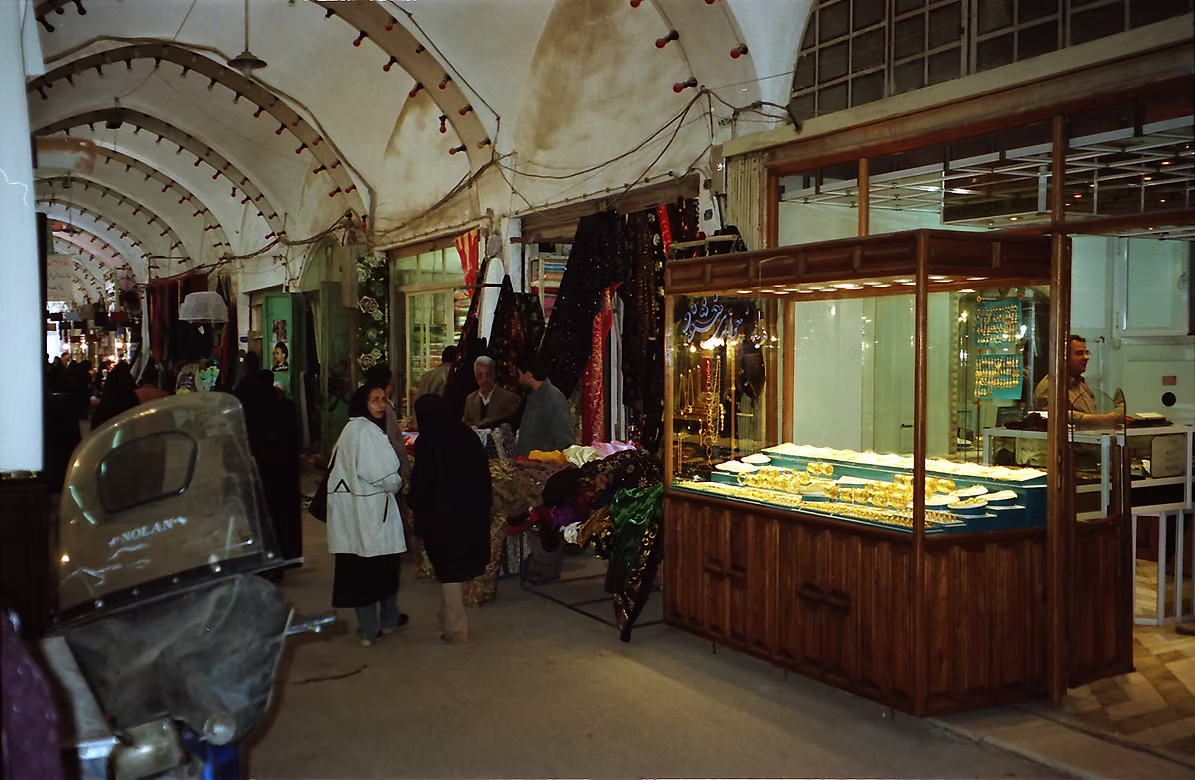
The bazaar in Kashan has much of the grandeur of that in Esfahan while being much less touristy.






Yazd
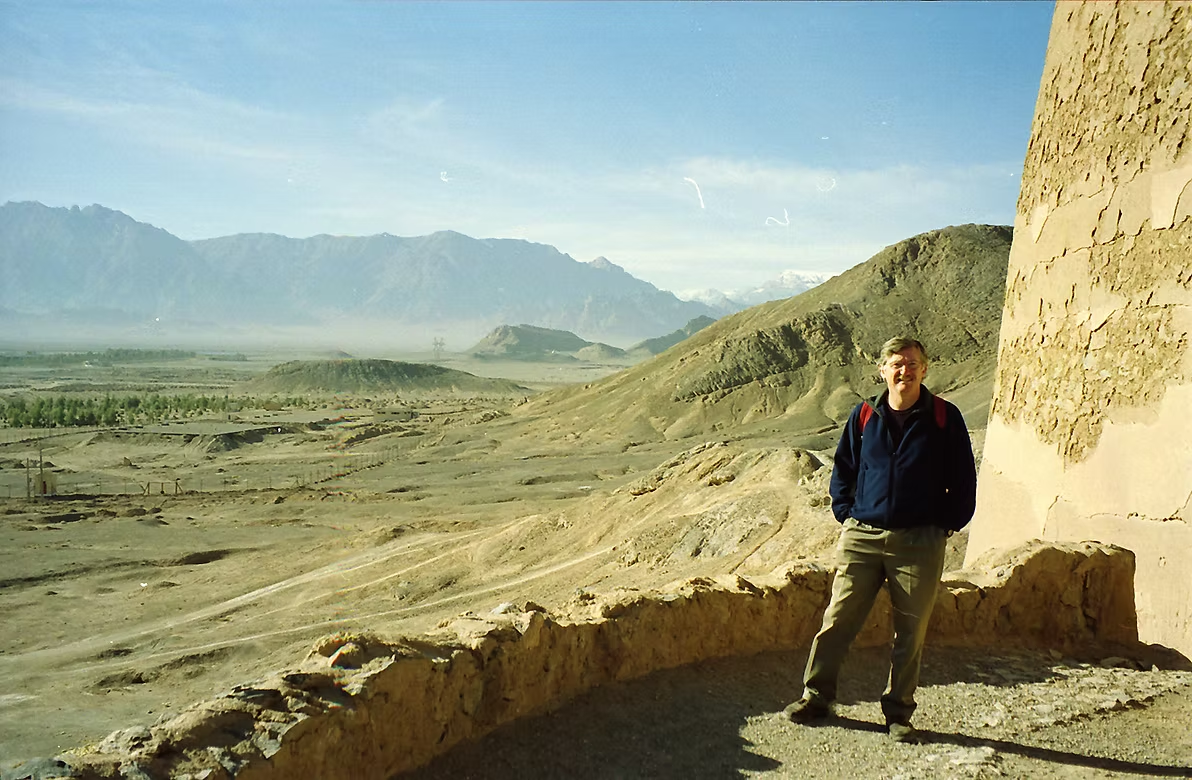
While most Iranians converted to Islam, the Zoroastrian religion survived and today there are about 60,000 Zoroastrians living in Iran and most of them are in Yazd. It is located about 270km South East of Esfahan and so is almost in the geographical center of Iran.
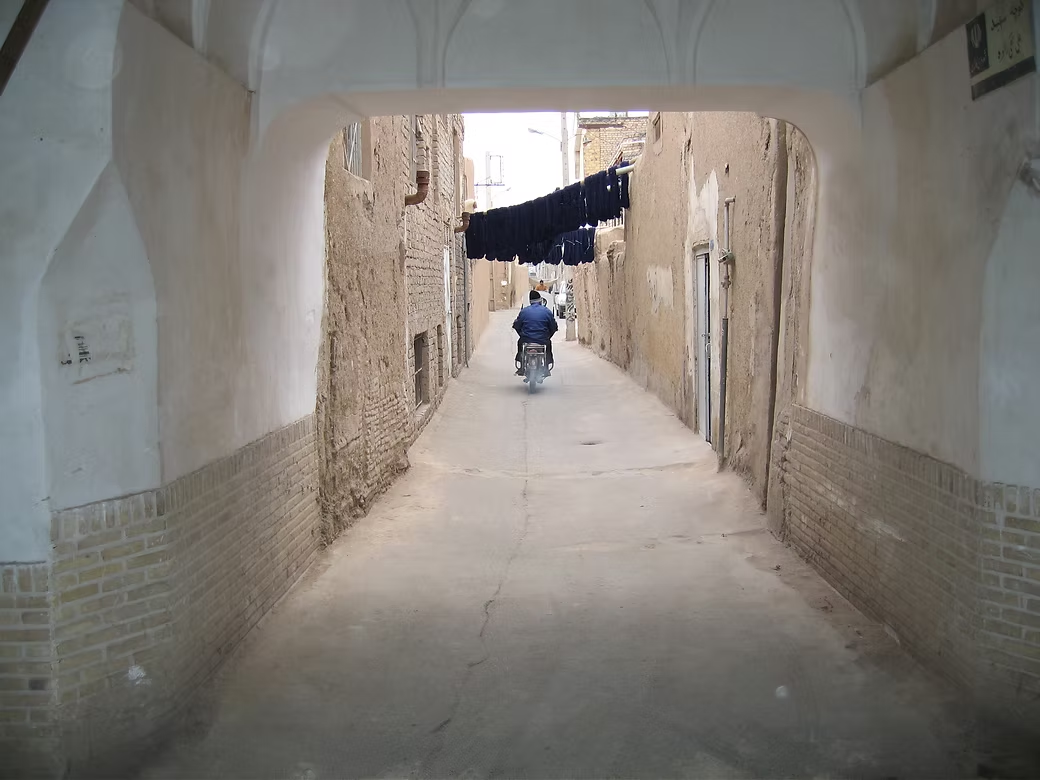
Yazd is surrounded by desert and gets very hot in summer. The old city has a network of ancient qanats – underground channels to transport water into the town and many windtowers designed to catch the slightest breeze and so cool the room below. The city also has a distinctive architecture unlike anywhere else in Iran. Because of its remote location, the city has not often been attacked in antiquity and so much more of the old town has survived.
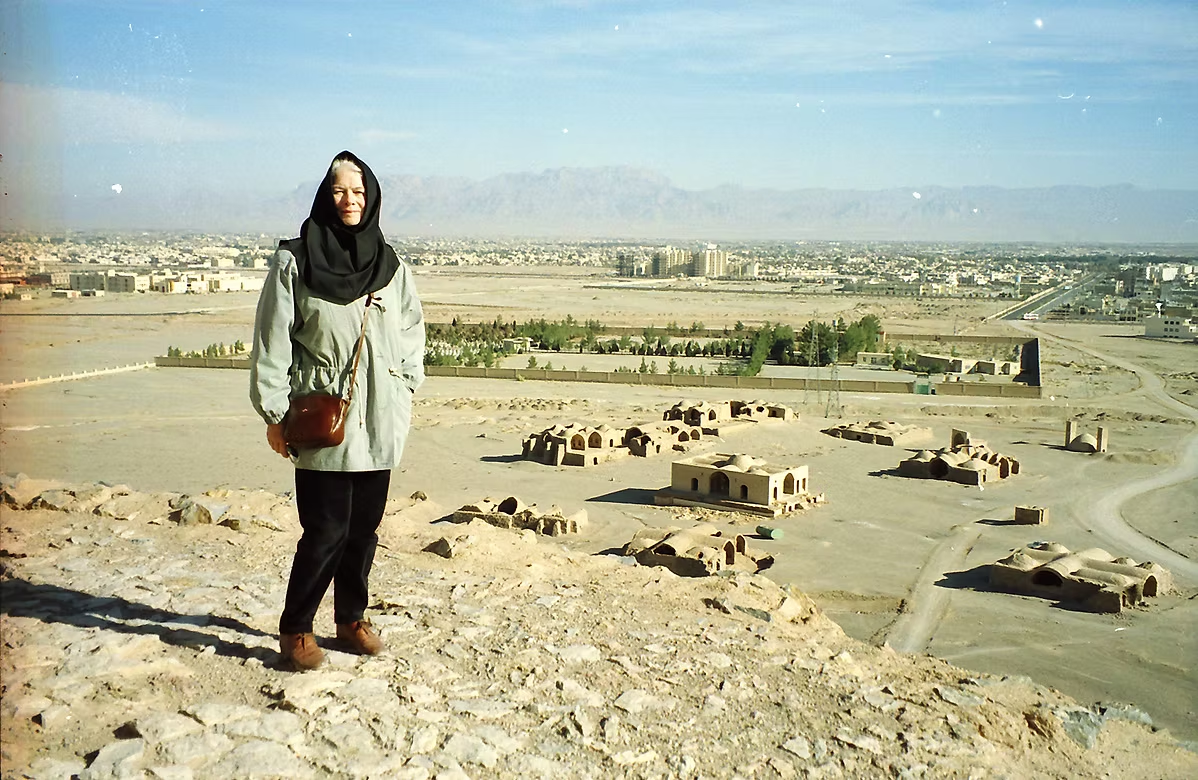
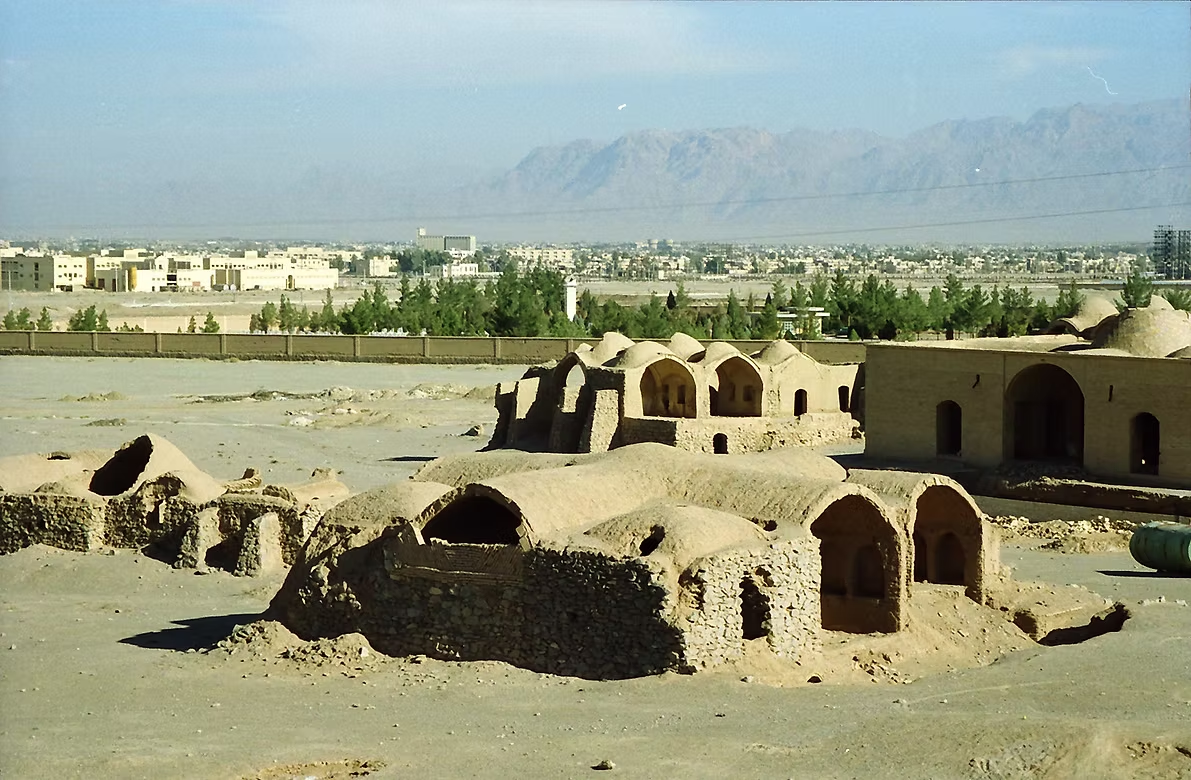
The Zoroastrian fire temple in Yazd has a sacred fire that they say has burnt continuously since 470 AD. At the edge of the city are the “Towers of Silence” that were used in the past by Zoroastrians for “sky burial”. This involved leaving the bodies of their deceased to be eaten away by scavenging birds. They did this as they believe that burying bodies pollutes the earth. The last such burials occurred in the 1970s and the Zoroastrians now bury their dead in concrete lined coffins.





Iranian Arts & Crafts
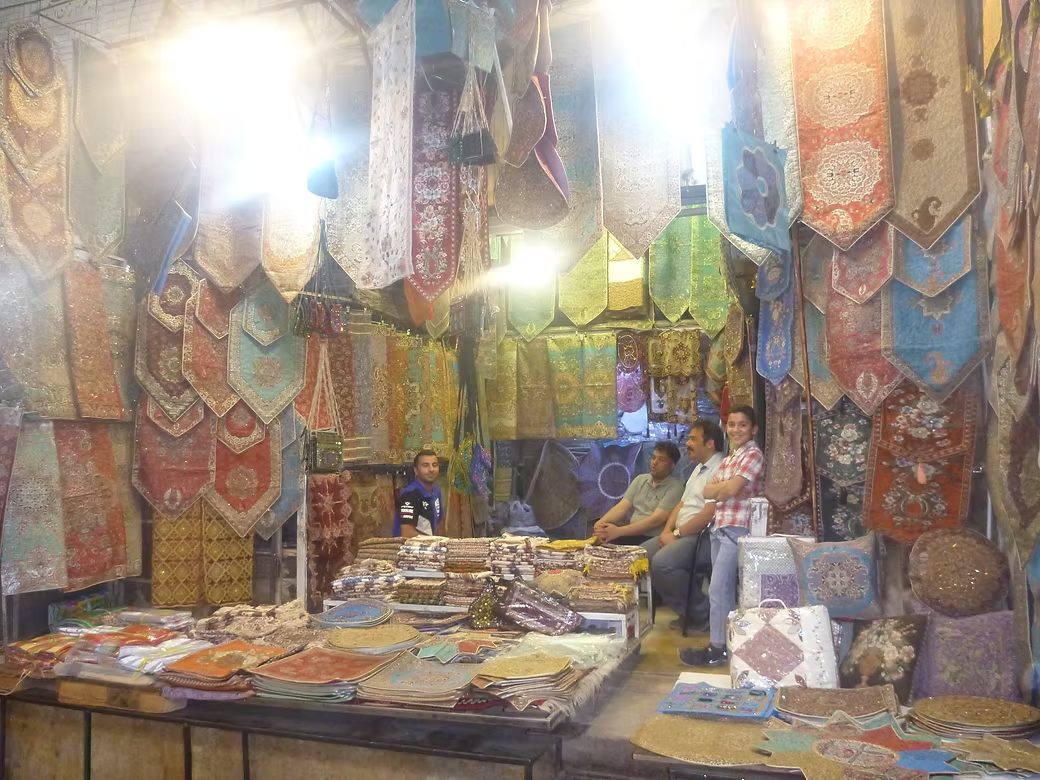
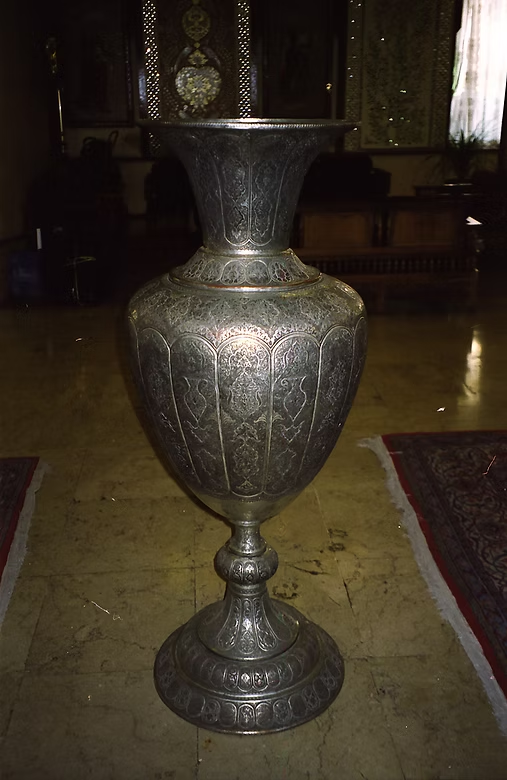
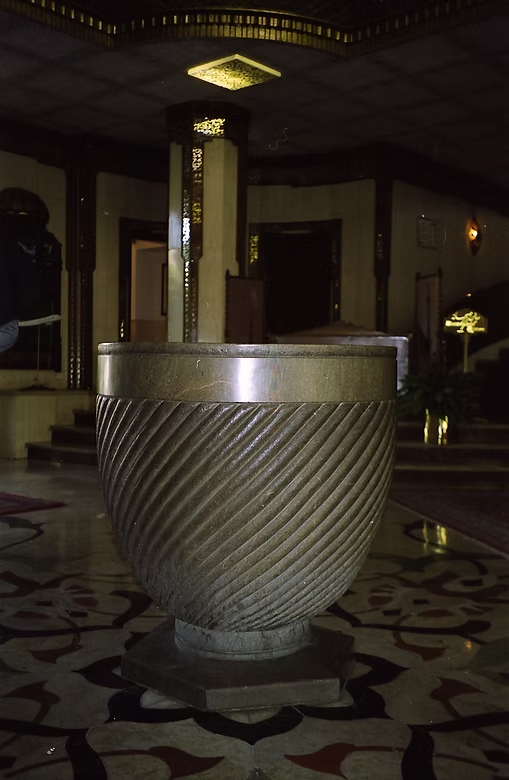
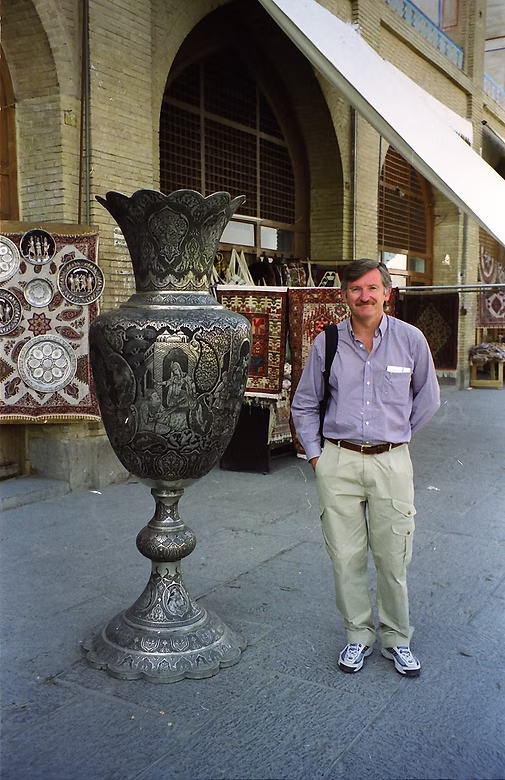
Iran is one of the main sources of high quality hand-knotted rugs but there are also many other arts and crafts commonly practiced there that are becoming rare in other parts of the world. These include metal work, mosaics, fine textiles, rug making and miniature painting.
Rugs are made in many parts of Iran and can be broadly categorised as most of the “city rugs” (e.g. Esfahani, Na’in, Tabriz, Kashan, Qom) and “tribal rugs” (e.g. Bakhtiari, Belouchi, Turkoman, Gabbeh). Most city rugs today are woven in factories rather than in the home but the methods are much the same with mainly women doing the weaving. The pattern is marked on a piece of hardboard and the different colours of wool and strung on a loom. The pattern is typically a quarter of the design that is then repeated to complete the rug. City rugs will normally be made from wool and/or silk and are more tightly knotted that tribal rugs. The finest Qom and Esfahan rugs are made entirely from silk and with knot counts as high as million knots per square meter.
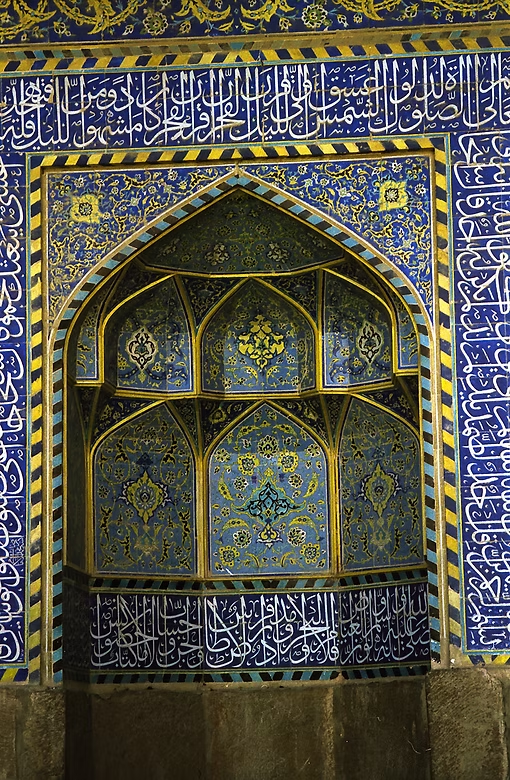
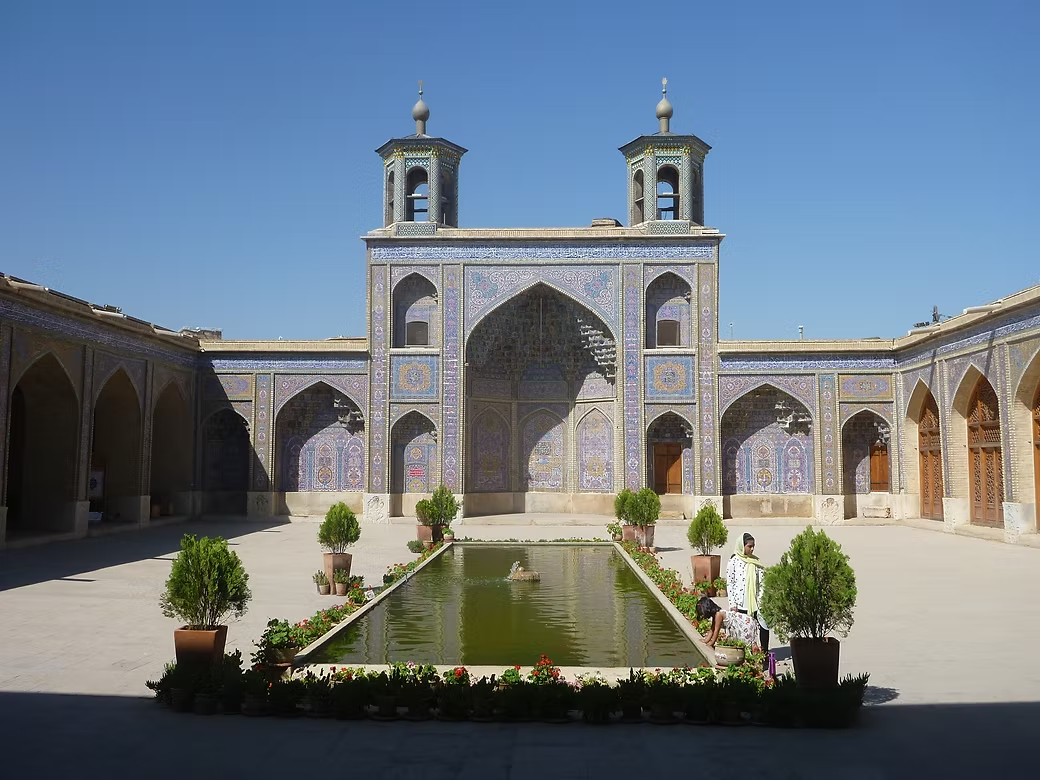
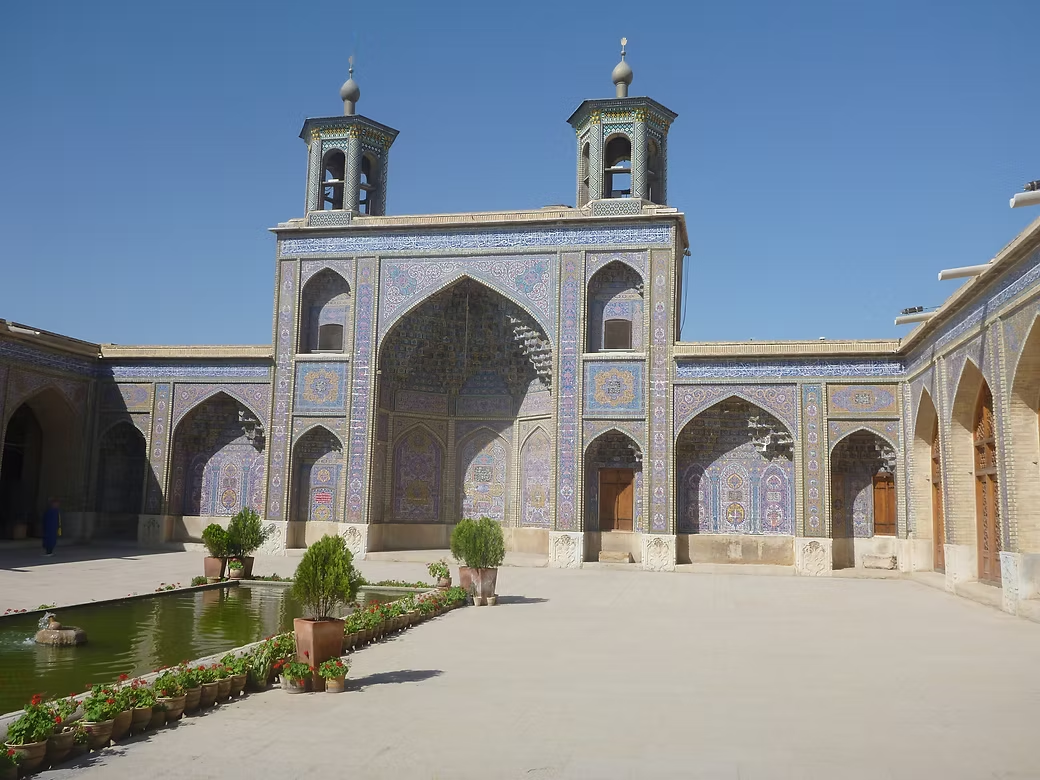
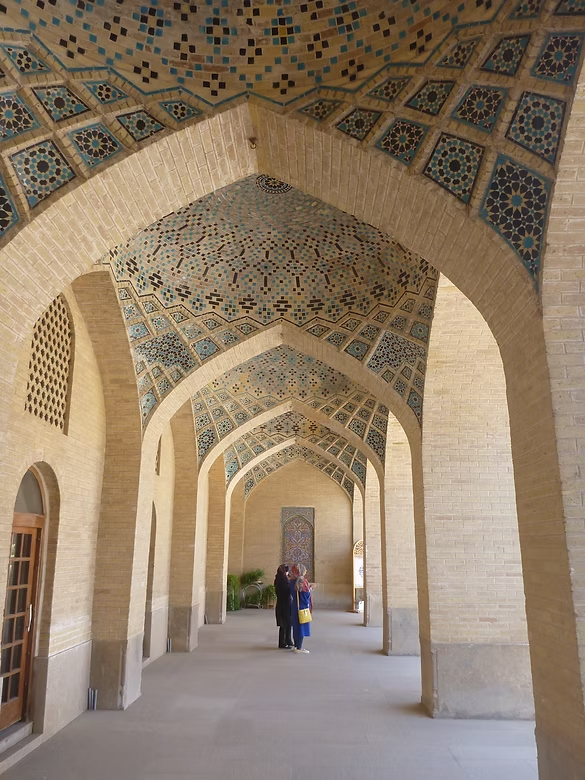
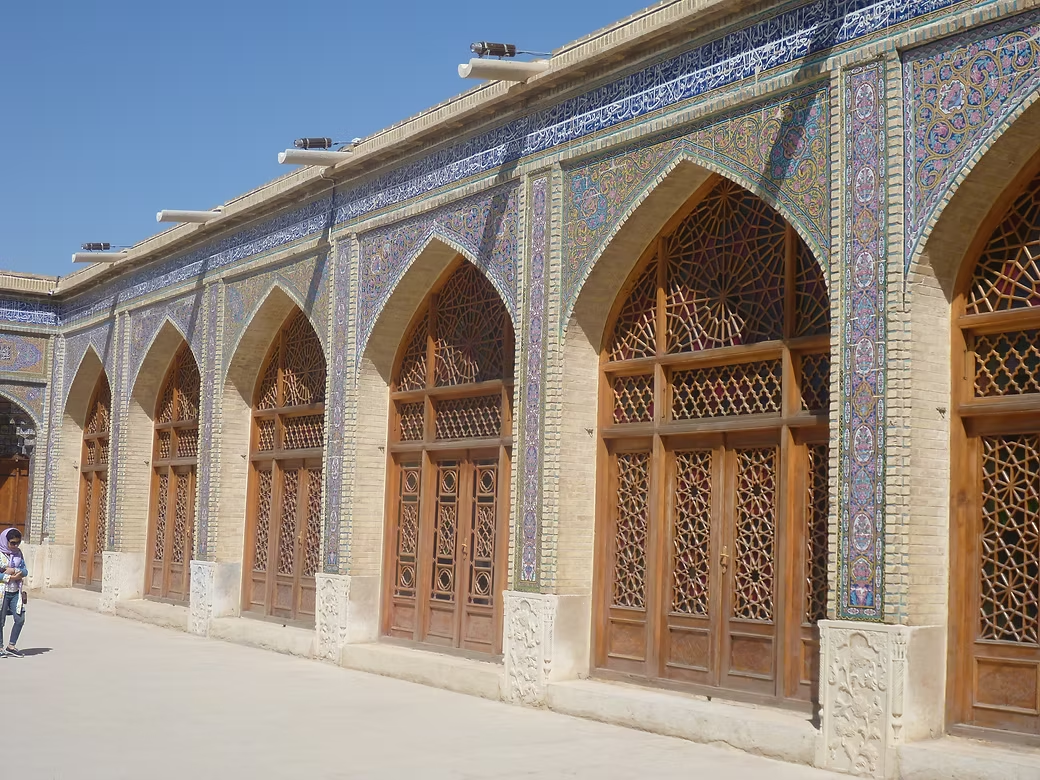
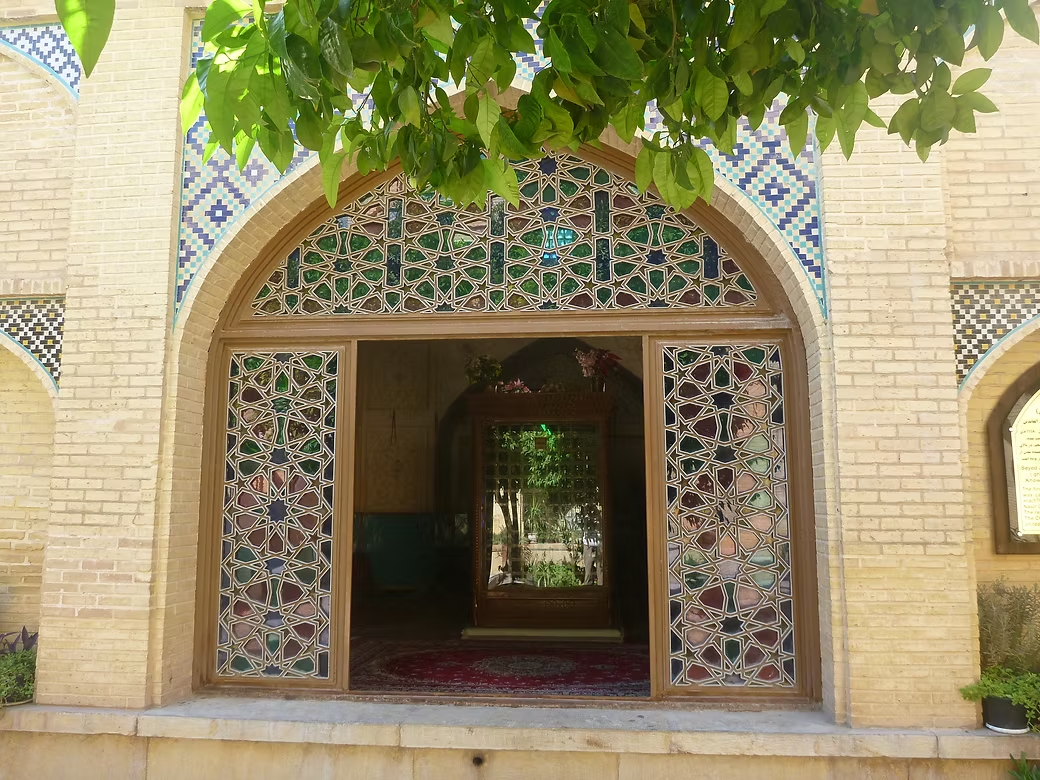
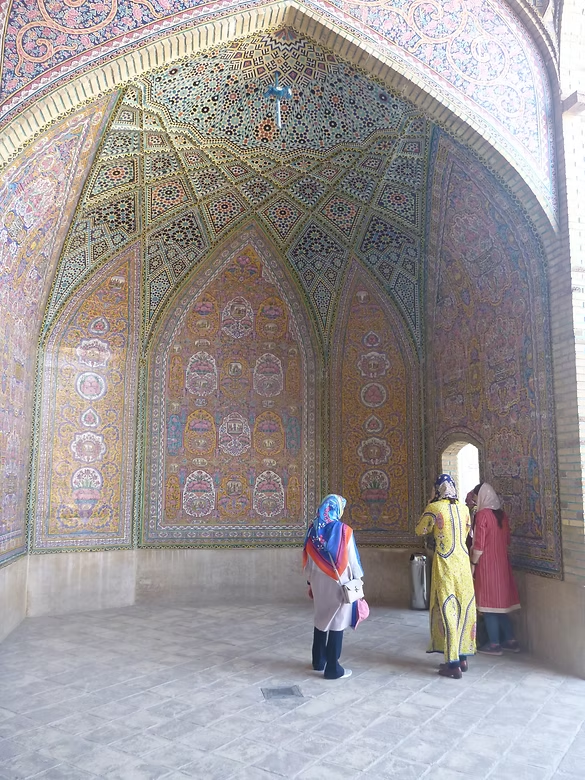
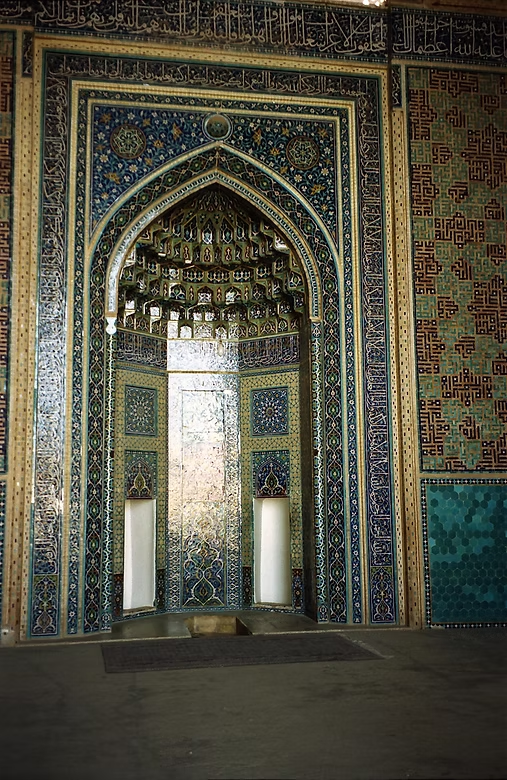
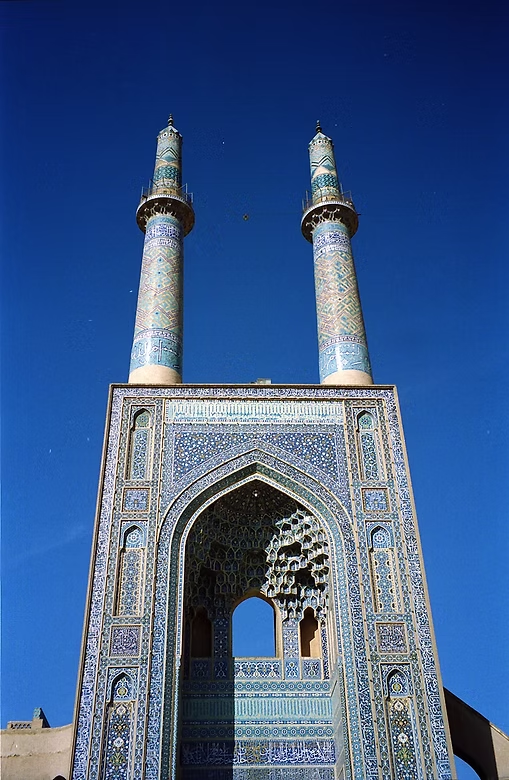
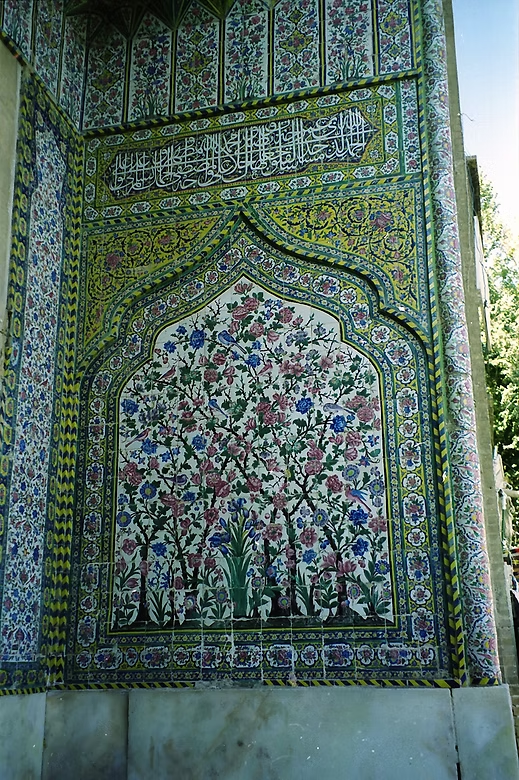
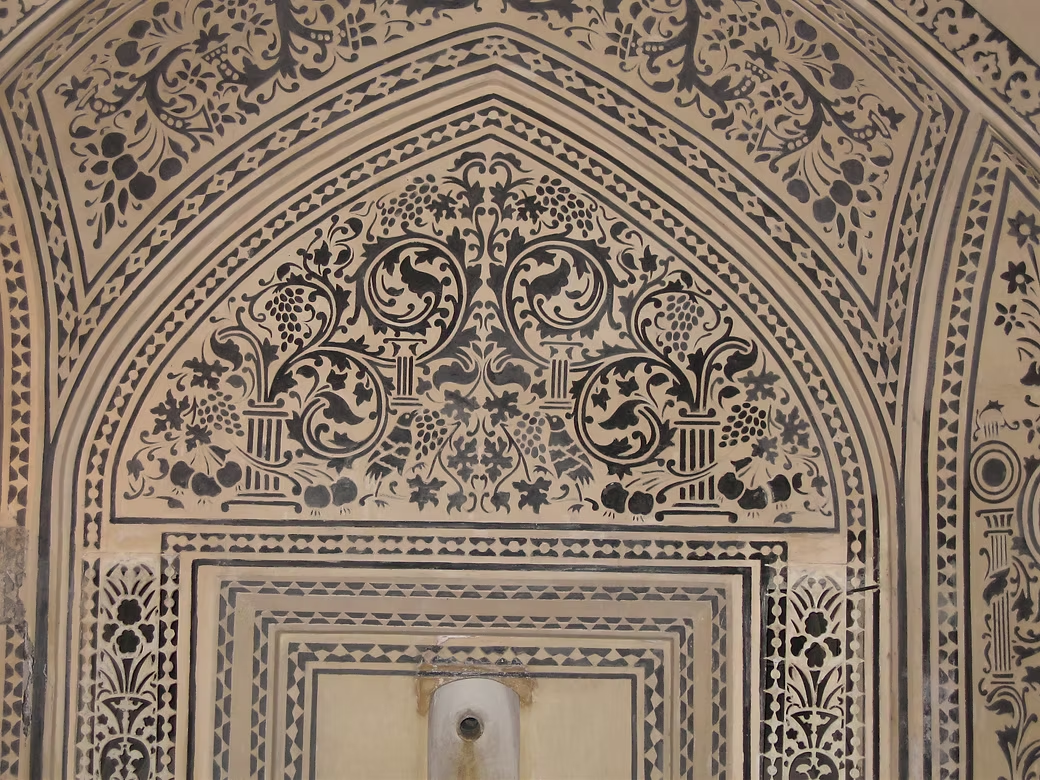
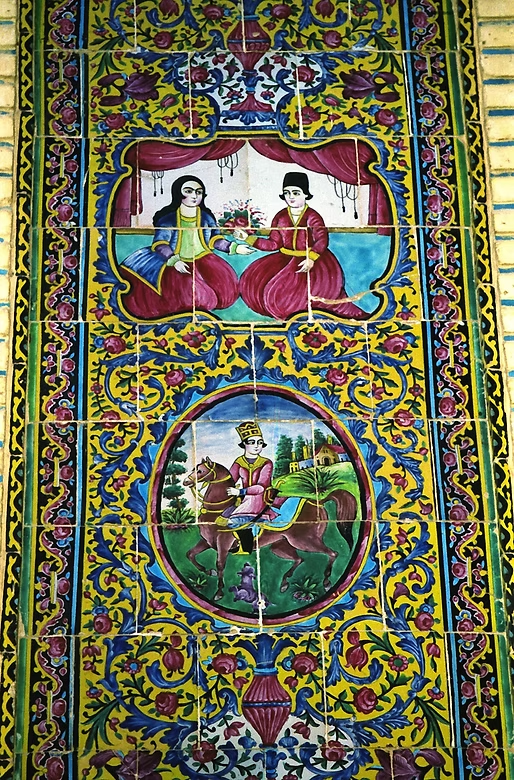
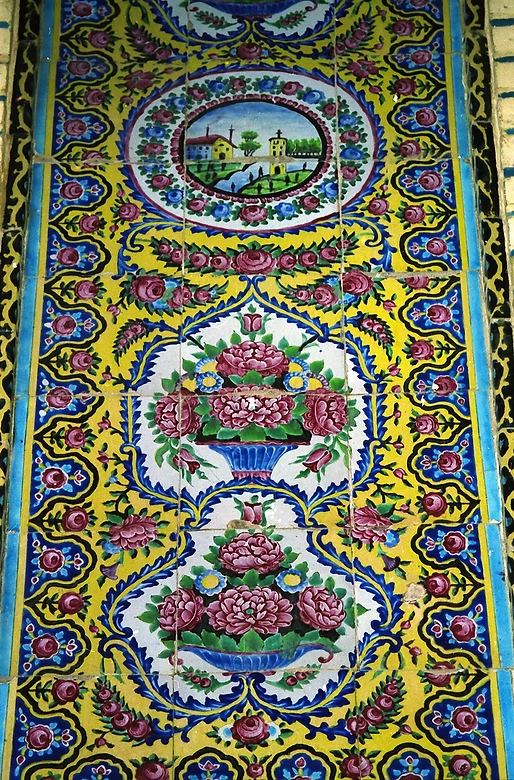
The decorative ceramic work in Iran is simply the best in the world. While some of it is tile work, in most cases the decorations are mosaics where the designs are formed from individually cut colored pieces. In Iran it is used extensively to decorate palaces, public buildings, shops and houses.
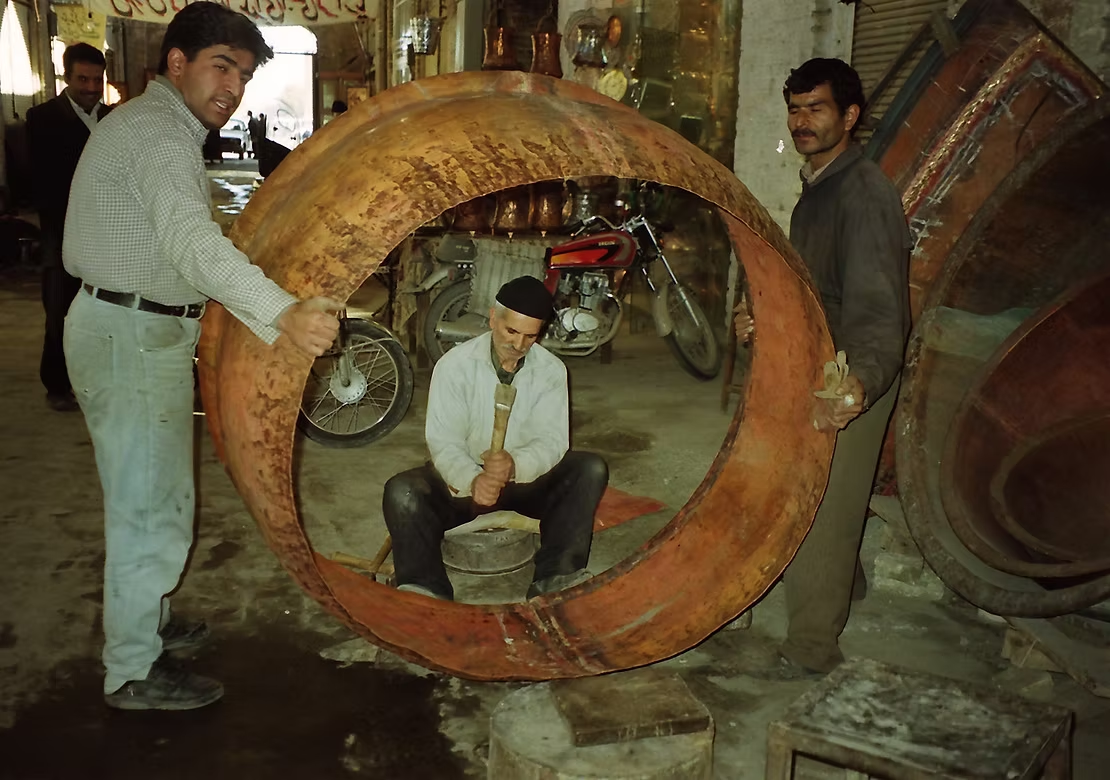
In the back streets of any Iranian city, you’ll find small workshops where craftsmen are making, by hand, all kinds of metal objects from the functional (large copper cooking pots) to ornamental. They are often decorated with elaborate designs that are applied to metal objects with nothing more than a punch and a hammer. I once watched one of them doing a very complex design at a steady rate while having an animated discussion with his neighbor.
There are many textiles made by hand in Iran but one of the most impressive are cotton fabrics with hand printed multi-color designs that are applied with wood blocks. The craftsmen do this work at extraordinary speed considering they are often overprinting the same cloth with four different colors.
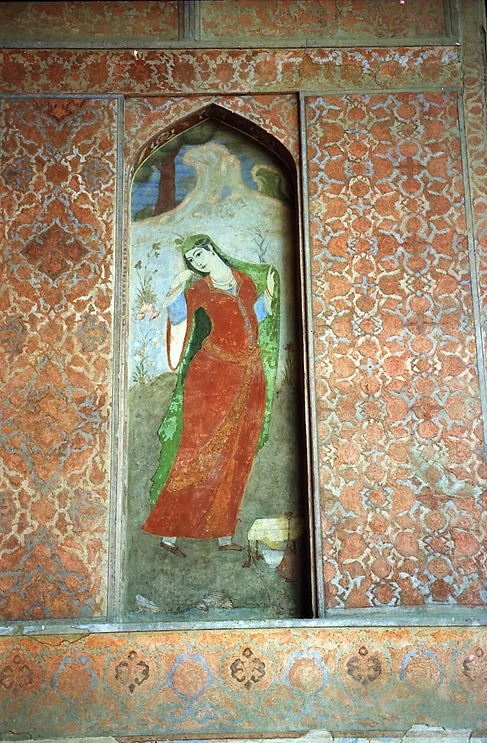
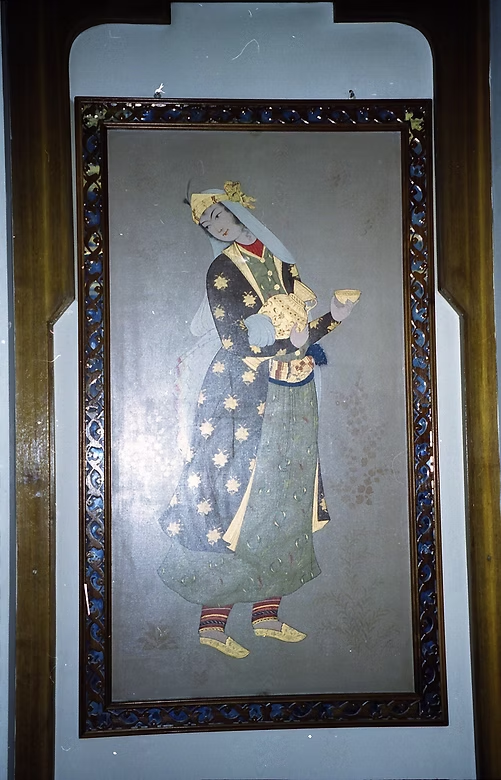
In some cities like Esfahan the art of miniature painting is long established. Master artists paint intricate designs on tiny objects. Sunni Islam strictly prohibits the representation of human figures and this is the reason why the decoration on many Islamic buildings is geometric and floral. Shia Islam has a more relaxed interpretation and it is not unusual to see human and animal figures amid the geometric and floral designs. In miniature painting, human figures are normally central to the work.