Ballantyne of Scotland & O'Dowd of Co Clare, Ireland



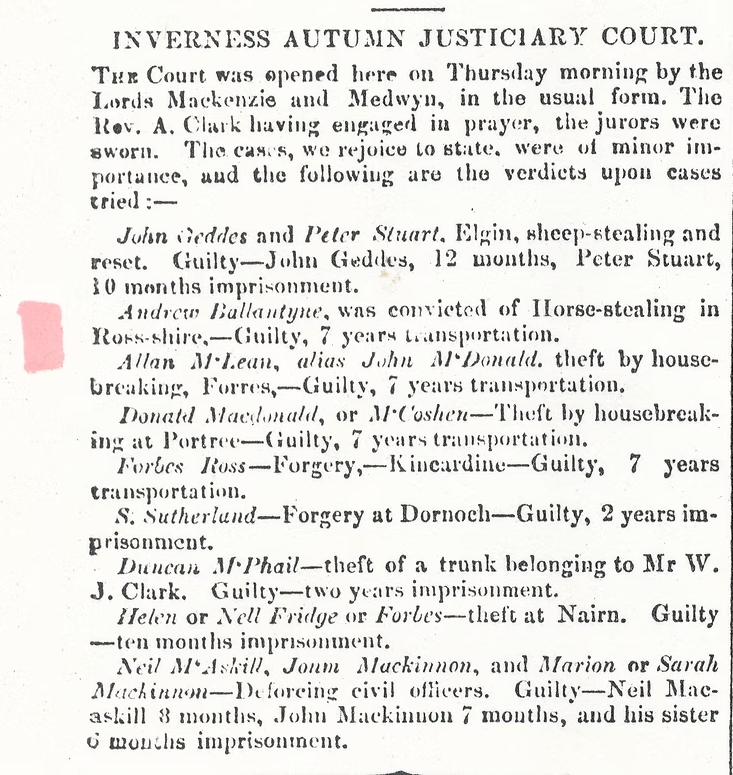
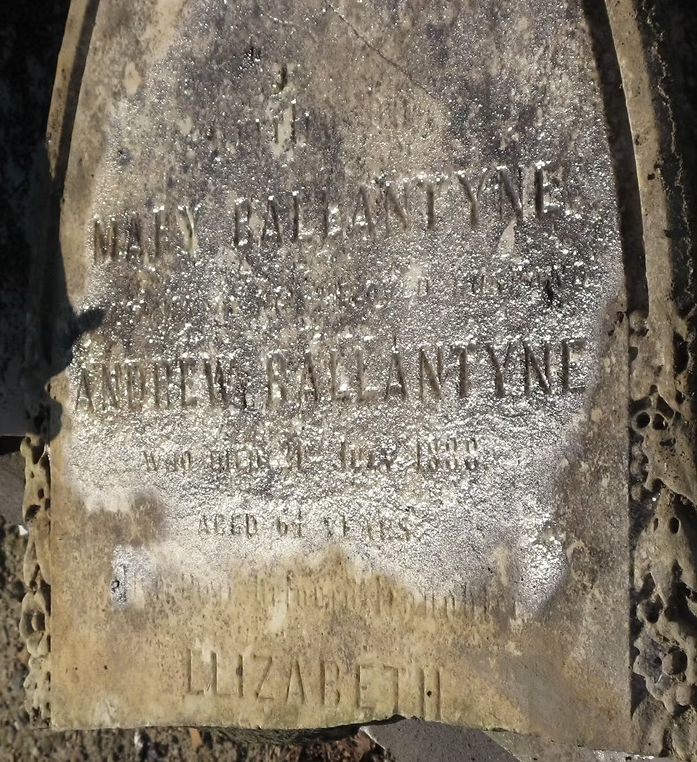
Mary “Mollie” Ballantyne (1857-1926) was born at Campbell’s Creek near Castlemaine on 12 April 1857 and was the fourth of ten children born to Mary O’Dowd and Andrew Ballantyne (1826-88). Her mother is likely to have spoken gaelic as she was from the west of Ireland but her father, although familiar with the language from his time living in the Scottish Highlands, could not speak it. We know that for certain as it was mentioned at his trial in Inverness in 1844 for stealing a horse.
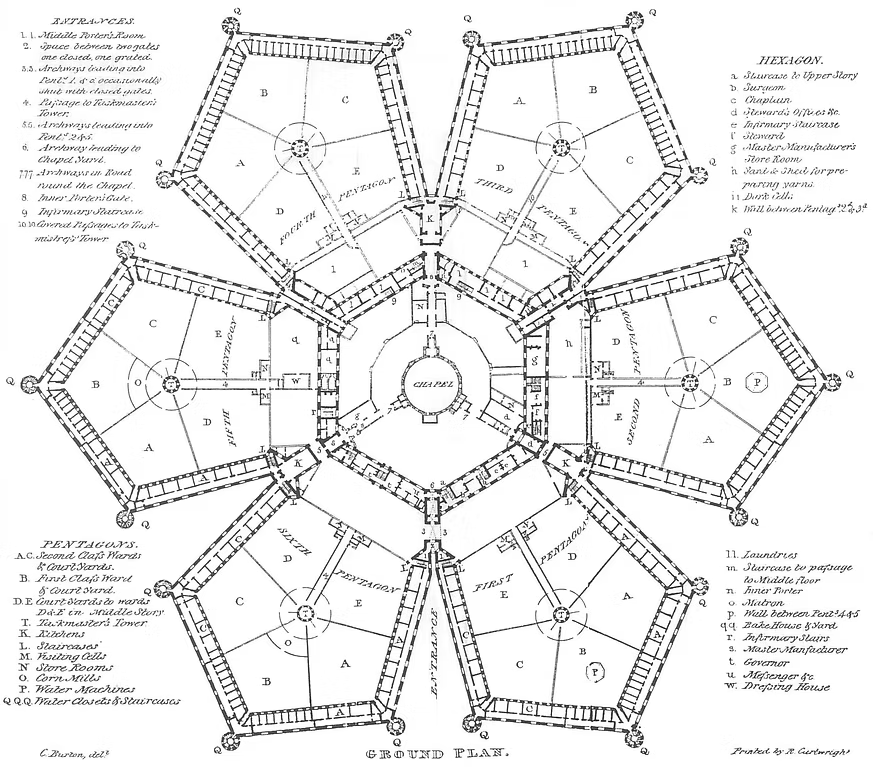
Andrew claimed that he’d been given permission to borrow the horse but his twice having tried to sell it did not help to support his version of events. His sentence of 7 years transportation came at a time when the UK was experimenting with the “separate system” of incarceration. He was transferred first to Millbank Prison in London and then to the new Pentonville Prison where prisoners were rigorously isolated, forbidden to speak or even look at their fellow prisoners and punished for even the smallest infraction. The idea was that they were to contemplate the evil of their ways and be somehow reformed. In fact, it resulted in many of them being driven quite mad by the sensory deprivation and cruel treatment.
After two years of this, Andrew was offered the choice of serving out the remaining five years of his sentence or being transported to Australia on condition that he remain there for the remainder of his sentence. At the time, the colonists in Australia were bitterly opposed to any more convicts being sent but, at the same time, there was a shortage of labour holding back the development of the colonies. The UK Government decided to deal with this by granting these “exiles” a pardon immediately before they landed. The 1,727 sent under this scheme between 1844 and 1849 were only a tiny percentage of the more than 160,000 convicts that had been sent previously.
The greatest demand for labour at that time was for shepherds and Andrew would have been a sought-after employee as he had probably spent his entire life around livestock. He and his family were drovers that moved sheep and cattle from the Highlands down to the markets of lowland Scotland and northern England.
Andrew’s parents were Walter Ballantyne (1796-1876) and Helen Scott (b1896) who are likely to have come from Hawick in Roxburgshire on the Scottish Borders. Walter married three times in his life and had at least 14 children.
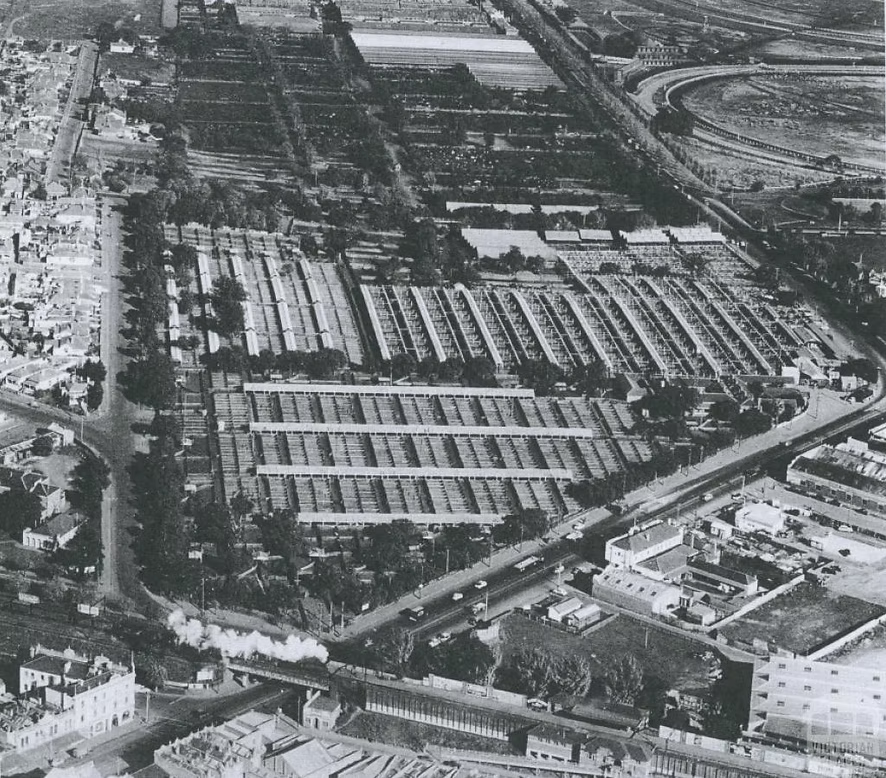
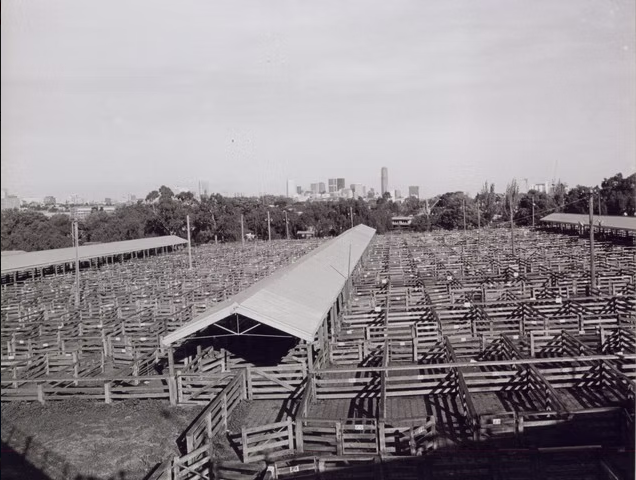
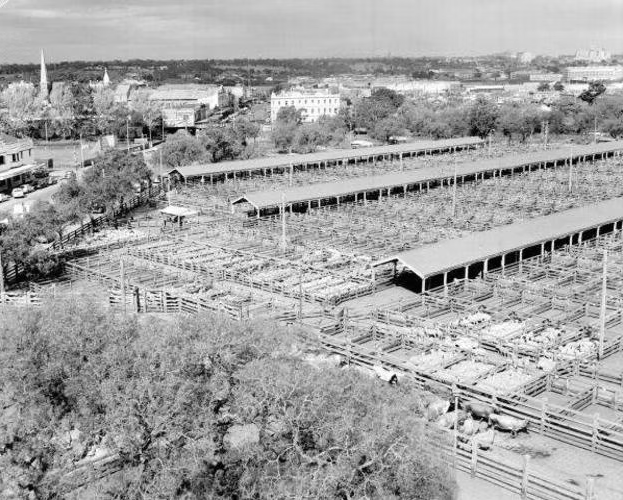
In 1851, Andrew Ballantyne married Mary “Mollie” O’Dowd (1822-1906) at St Francis Church in Melbourne and, by 1853, they were living at Campbells Creek near Castlemaine. The choice of Castlemaine was likely to have been driven by Mollie’s brother and two sisters also living in that area. The Ballantyne family remained in that area until 1885 with Andrew continuing to earn his living in the livestock trade as a shepherd, dairyman or butcher while also doing some mining. Around 1885, the family moved to Flemington in Melbourne only a few years before Andrew’s death. Flemington was the center of the livestock trade in Melbourne and also where his younger brother Walter (1828-92) was living.
Whether Mollie, or indeed her mother, ever knew the circumstances of her father’s arrival in Victoria we can only surmise. But there was real prejudice in the colony against the “Pentonvillains” and so I think it is quite possible that Andrew did not reveal the true story to anyone.
Mary O’Dowd’s father was a blacksmith named John O’Dowd who came from the townland of Cullinagh just east of Ennistymon in Co Clare. There is no evidence of what became of her parents but this was one of the areas most affected by the Famine of 1846-50 and it may be that Mollie and her siblings emigrated after being orphaned during the Famine. The surname of their mother is uncertain with some records showing it as Looney and others as Guerin.