Walking & Trekking in Asia, Iran and the Americas
Most of my outdoor activities have been in Australia, NZ and Europe but I’ve also done a few trips elsewhere in the world. These include:
8 day Torres del Paine circuit in Chile in 2020;
7 day trip in the Zagros Range of Iran in 2019;
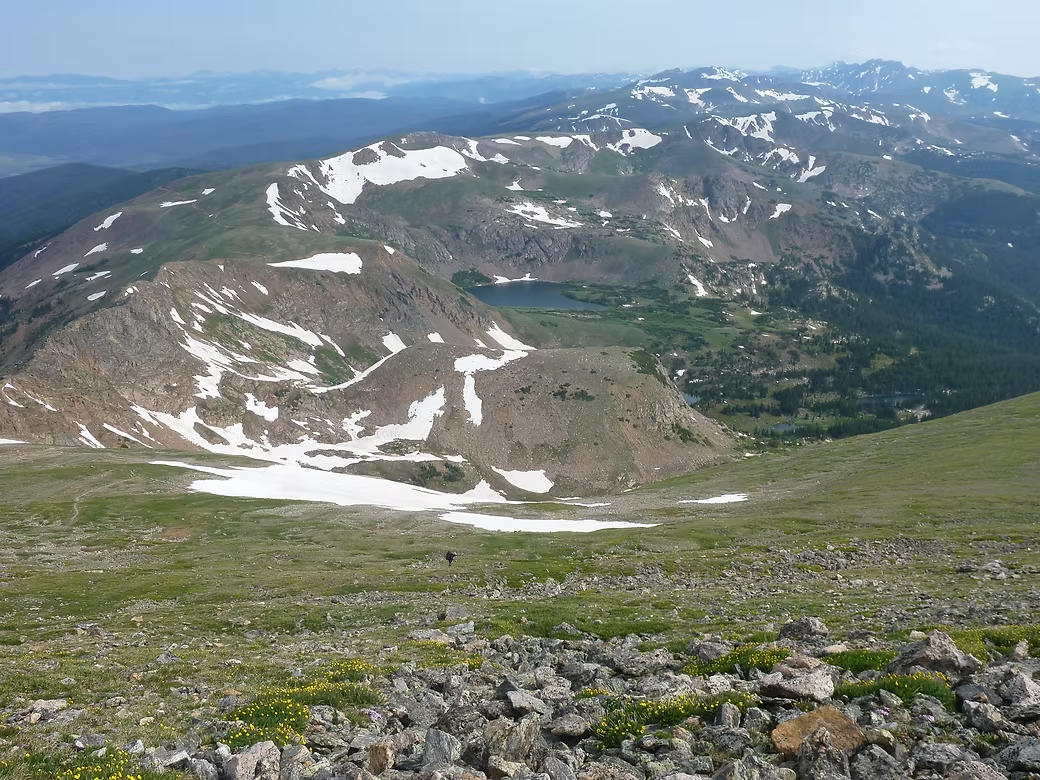
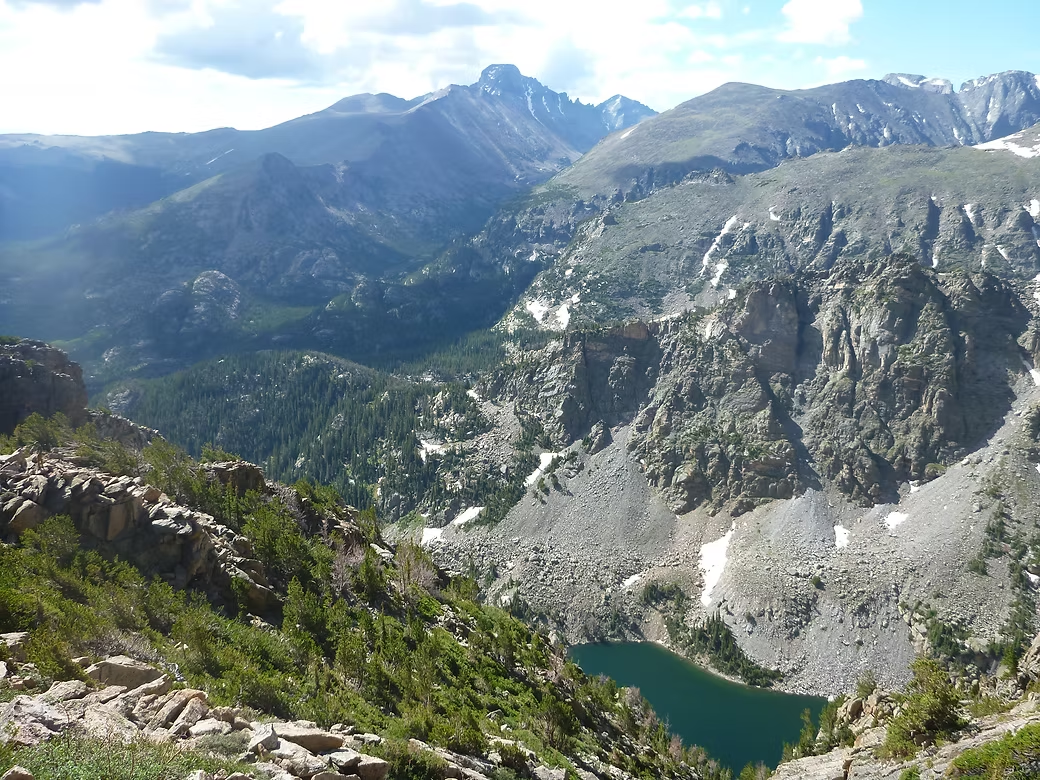
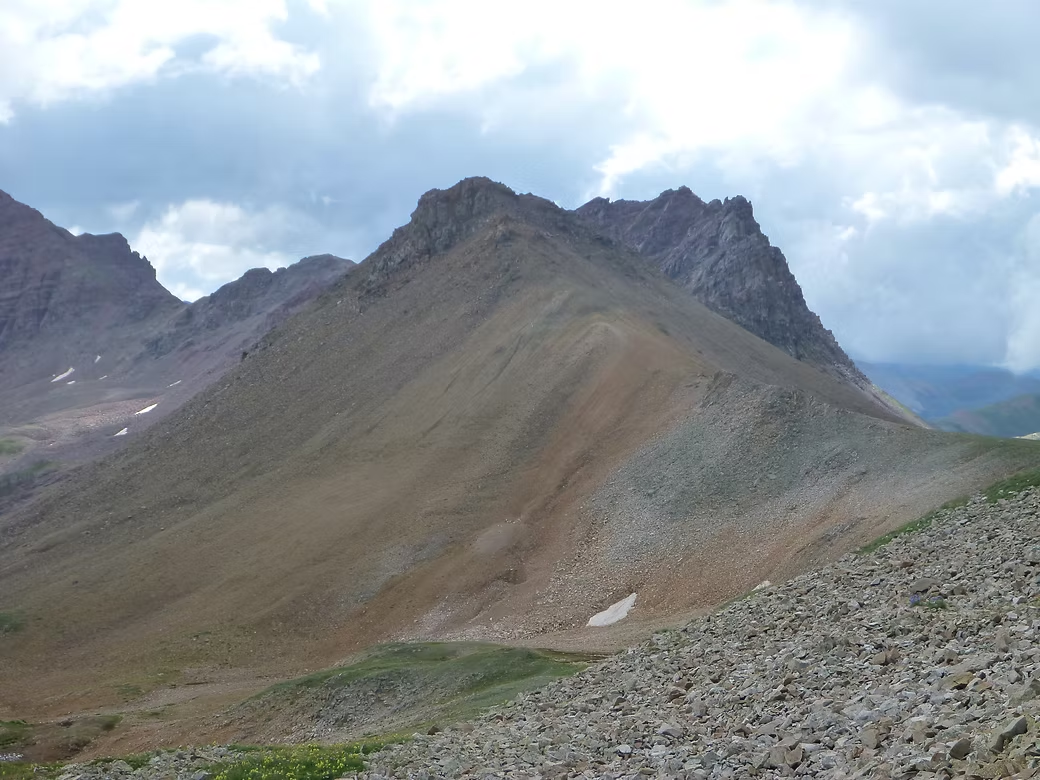
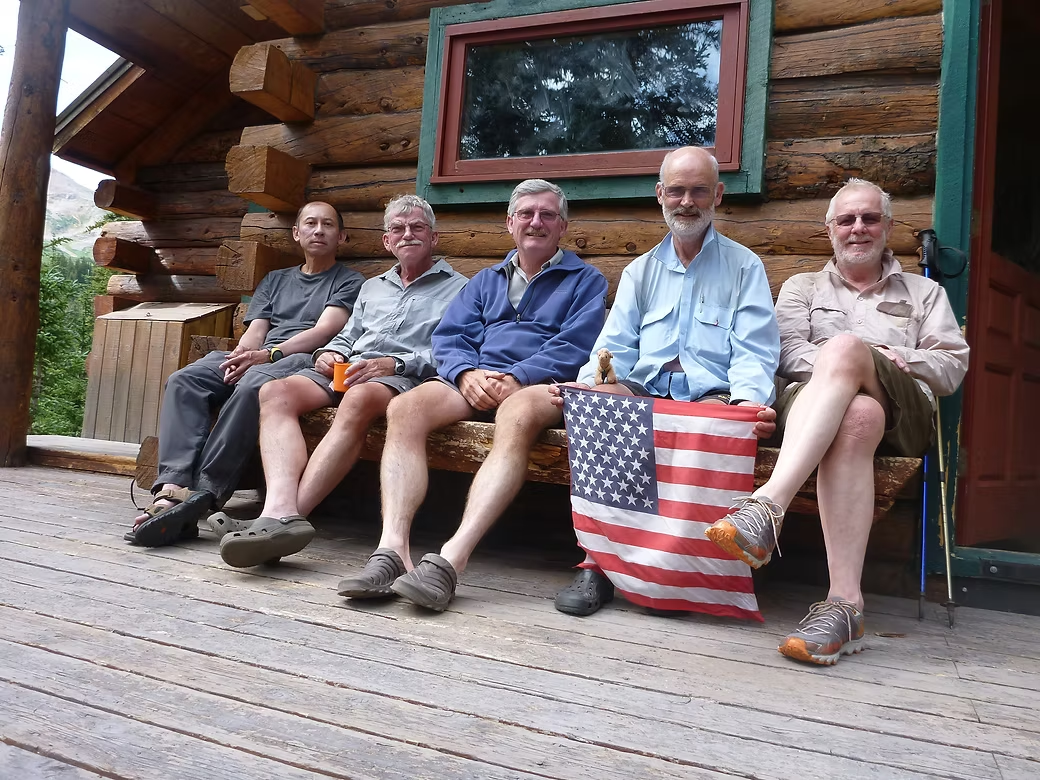
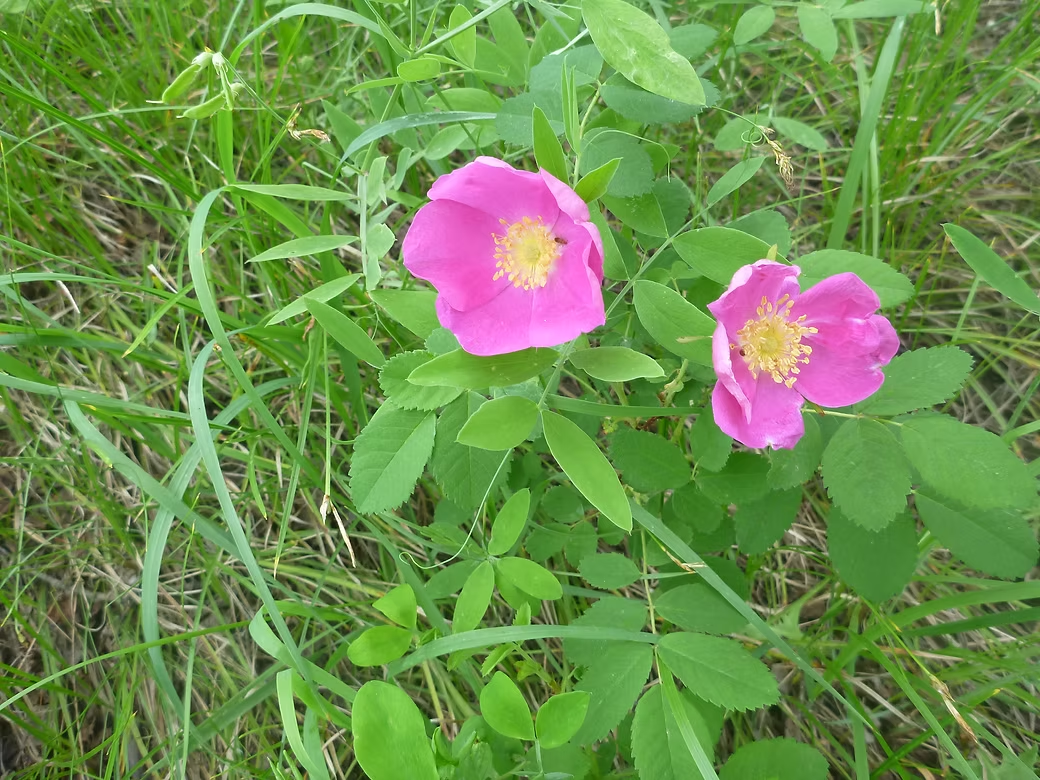
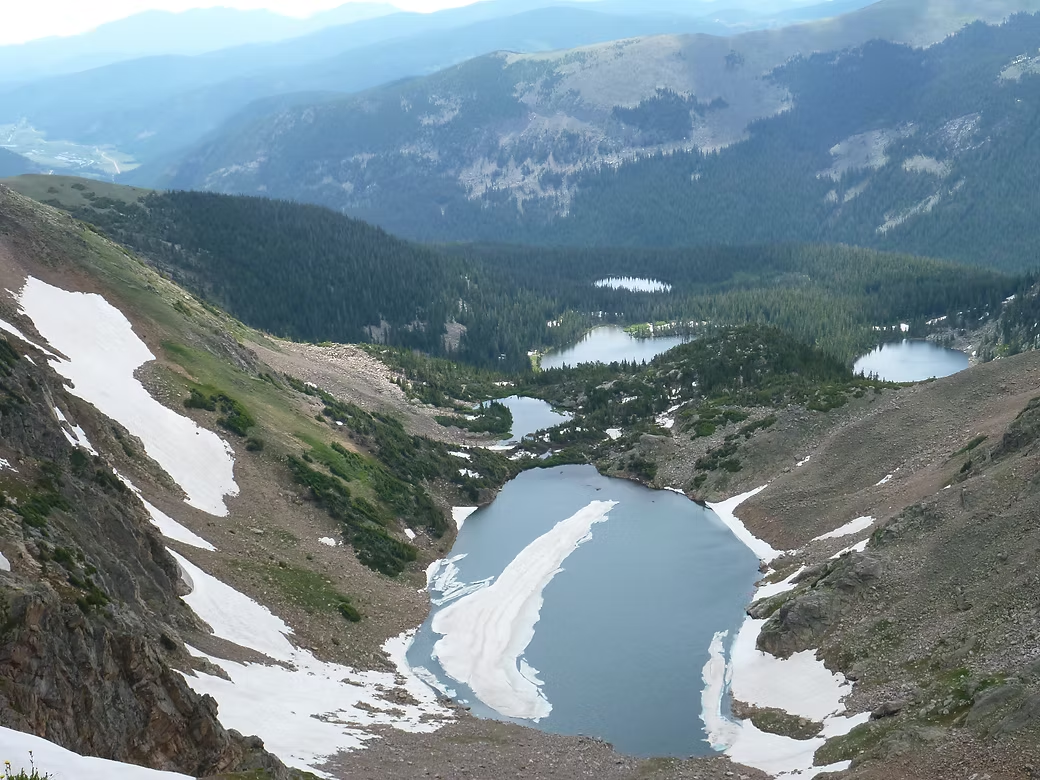
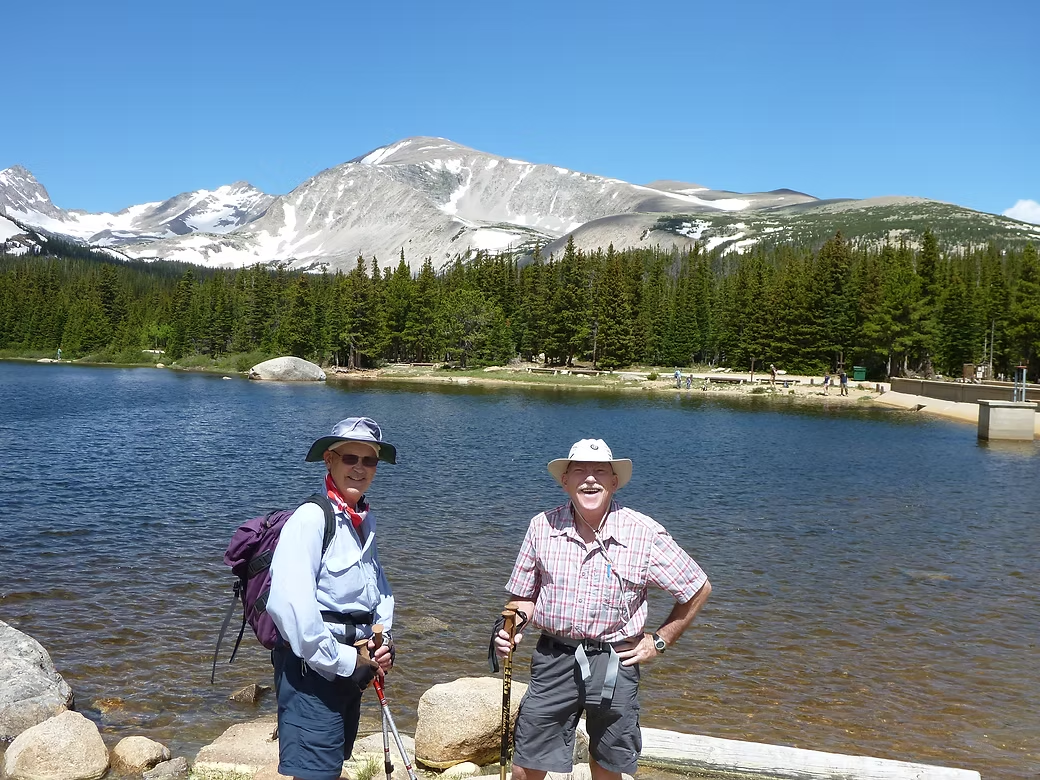
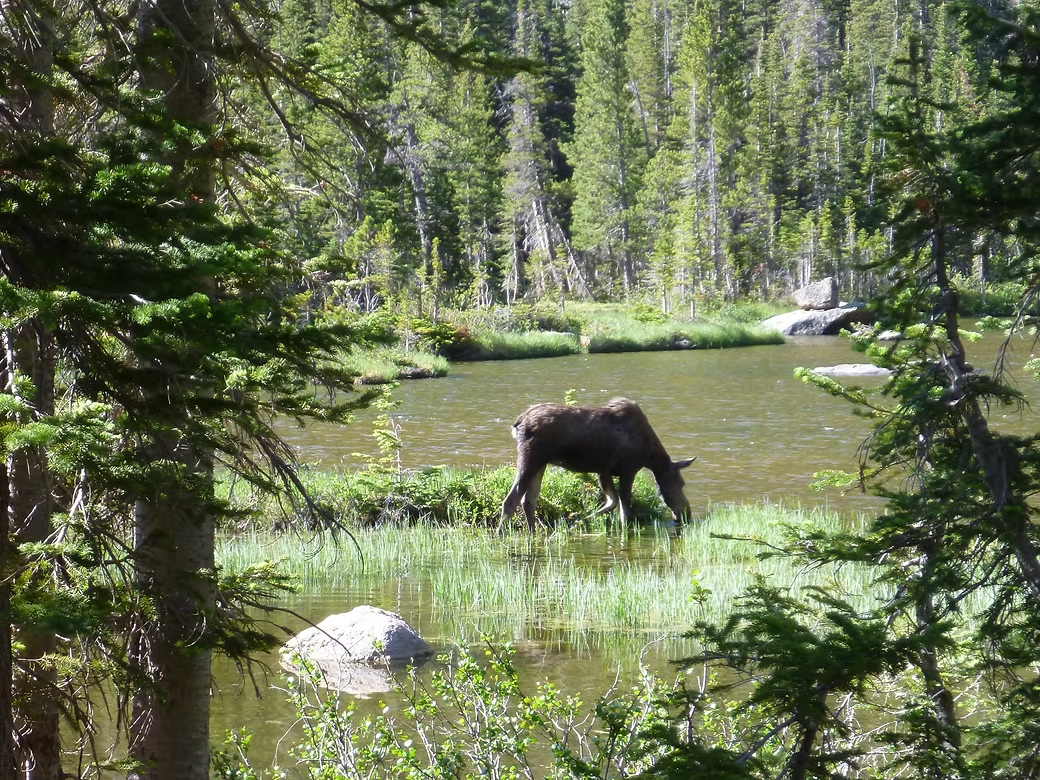
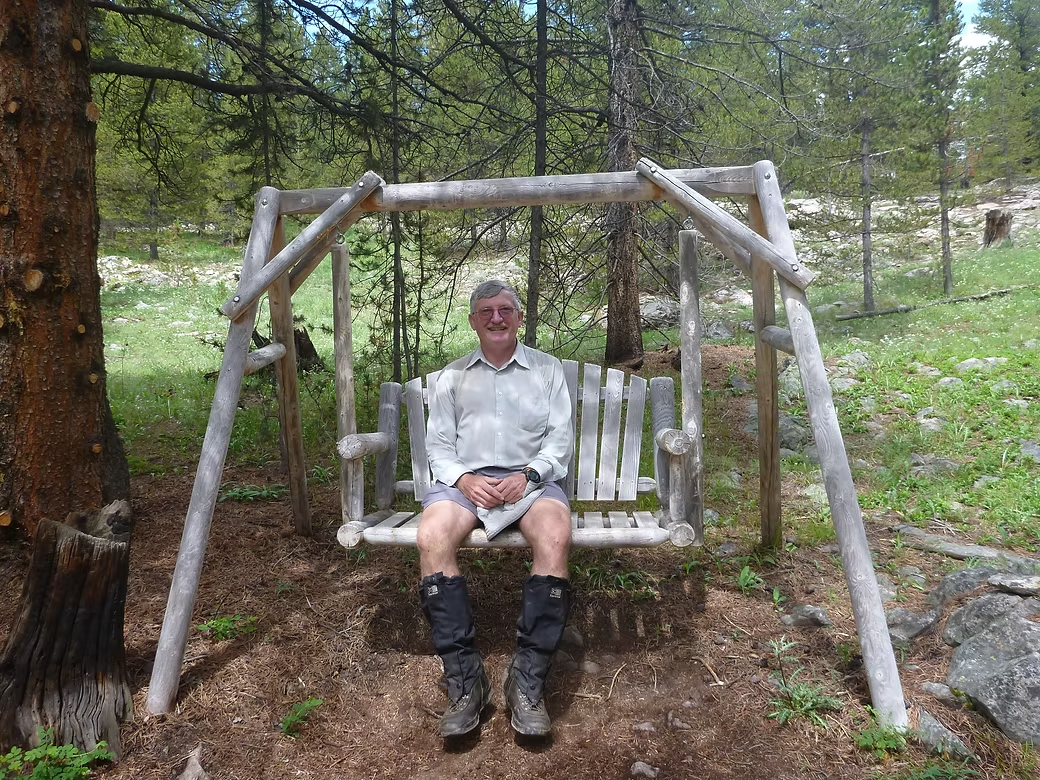
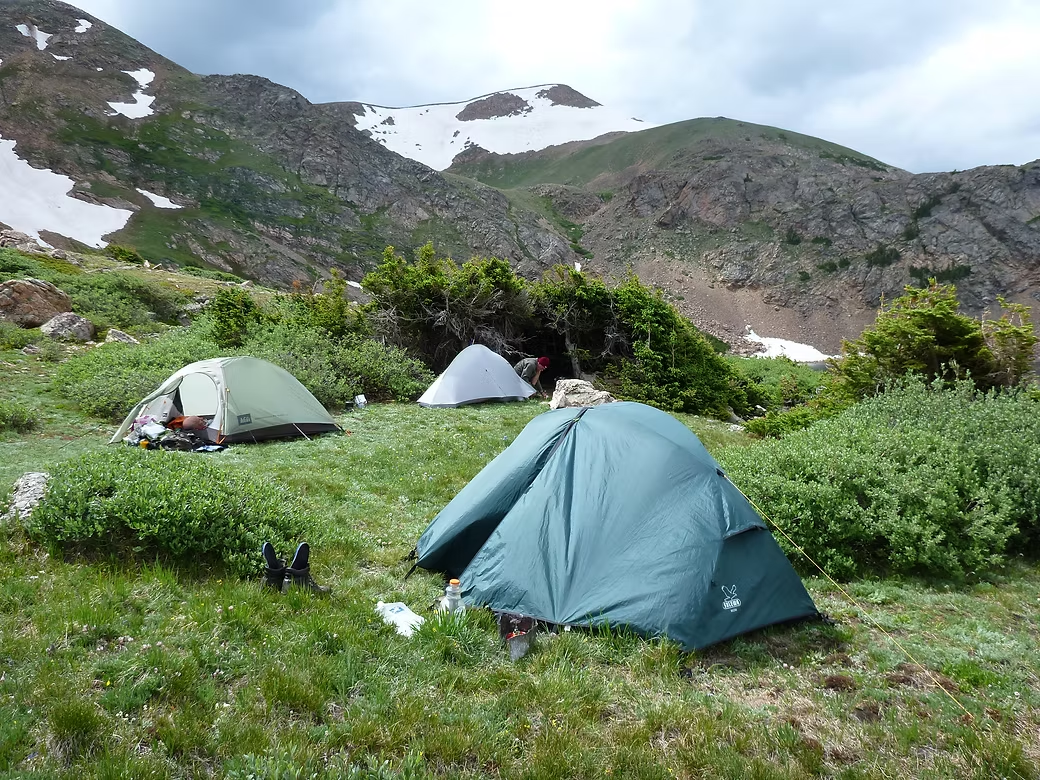
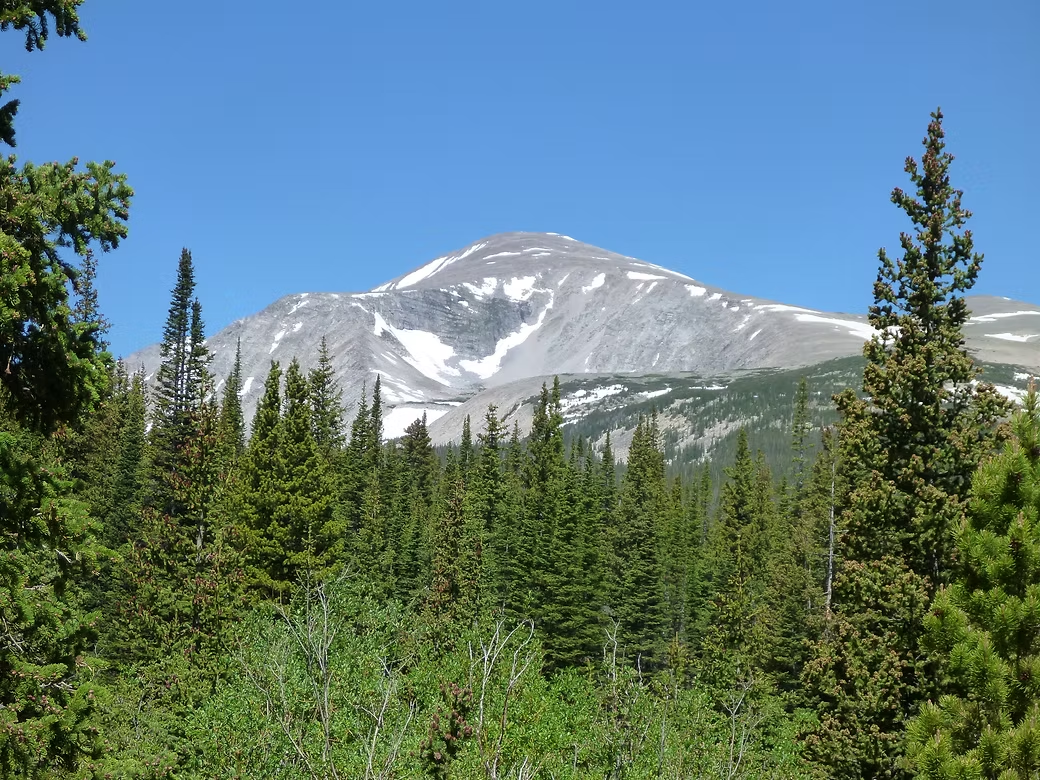
26 day section of the Continental Divide Trail across Colorado in 2013;
5 day climb of Kilimanjaro in 2007;
7 day trip in Kashmir in 1988; and
12 day trip in Nepal in 1990.
Some of these trips have involved high altitudes with the highest being Kilimanjaro at 19,340′ (or 5,895m) and the Nepal, Kashmir and Iran trips involving climbs to 13,000′ (4,000m). Much of the Colorado trip was between 10,000’and 13,000′ (or 3,000-4,000 meters).


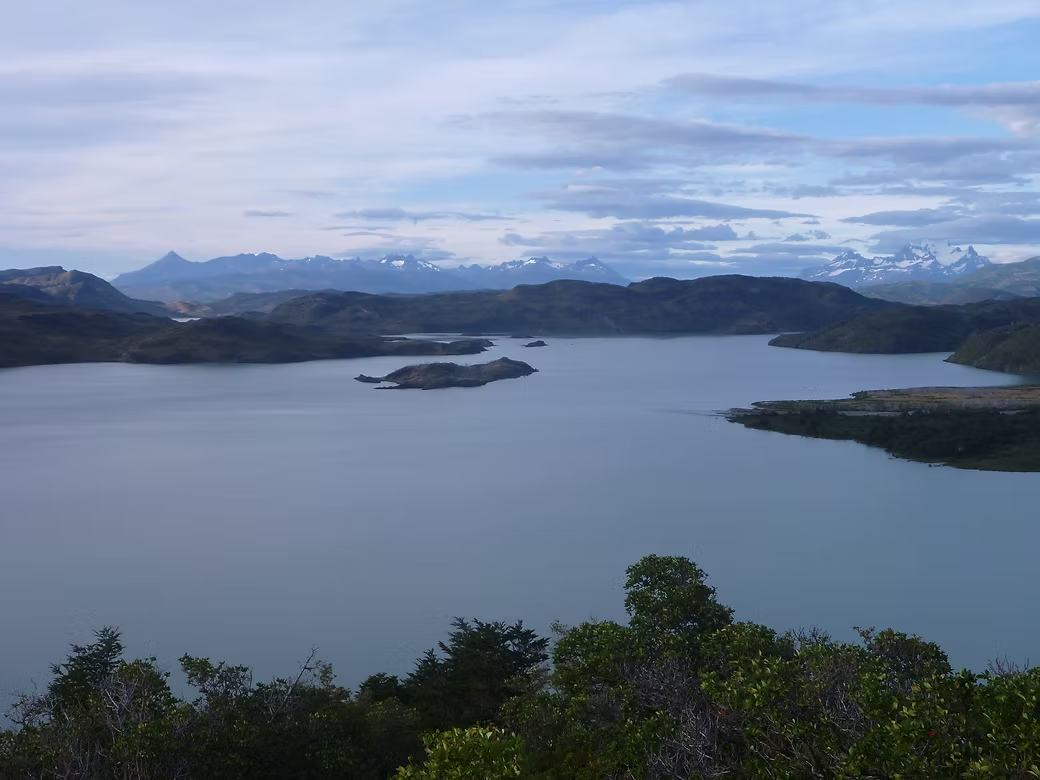
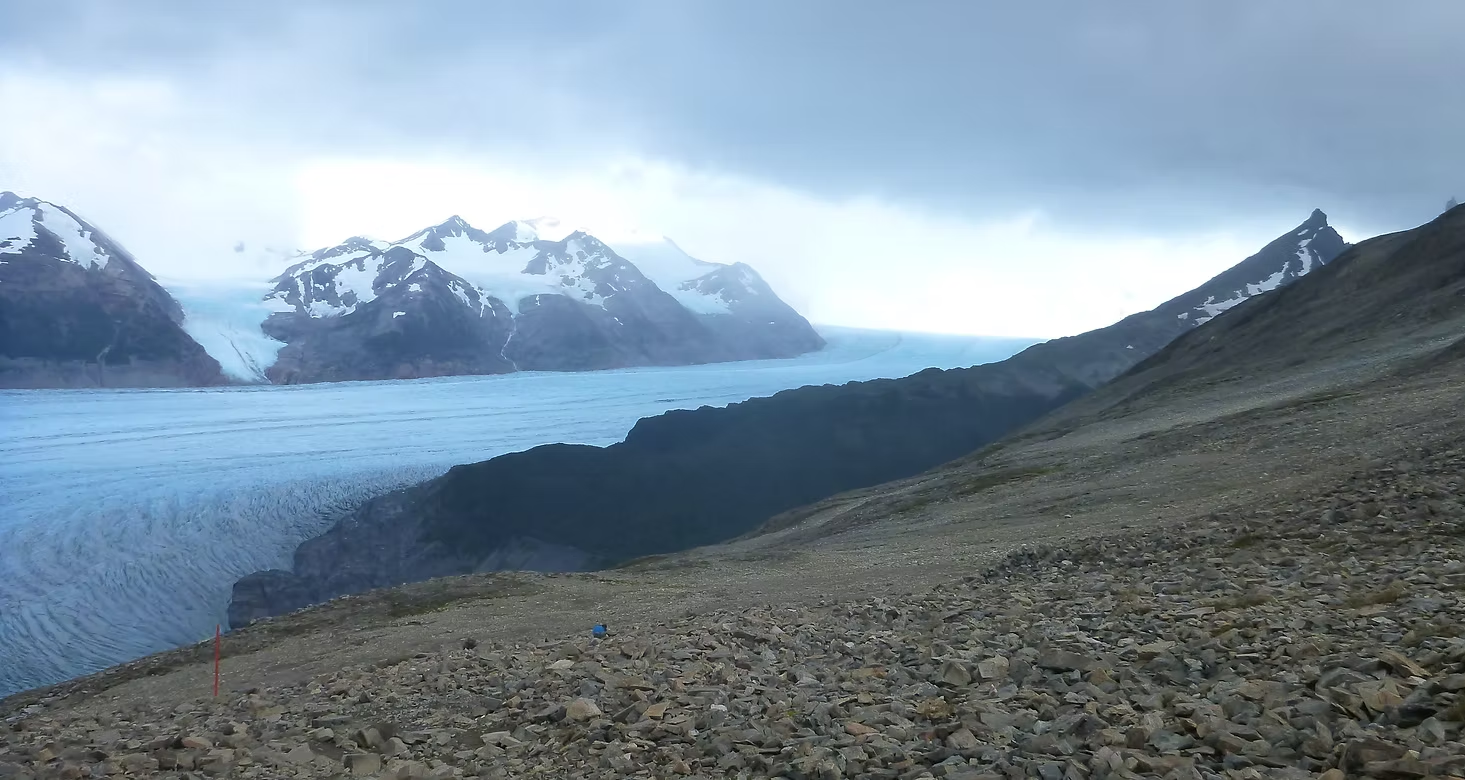

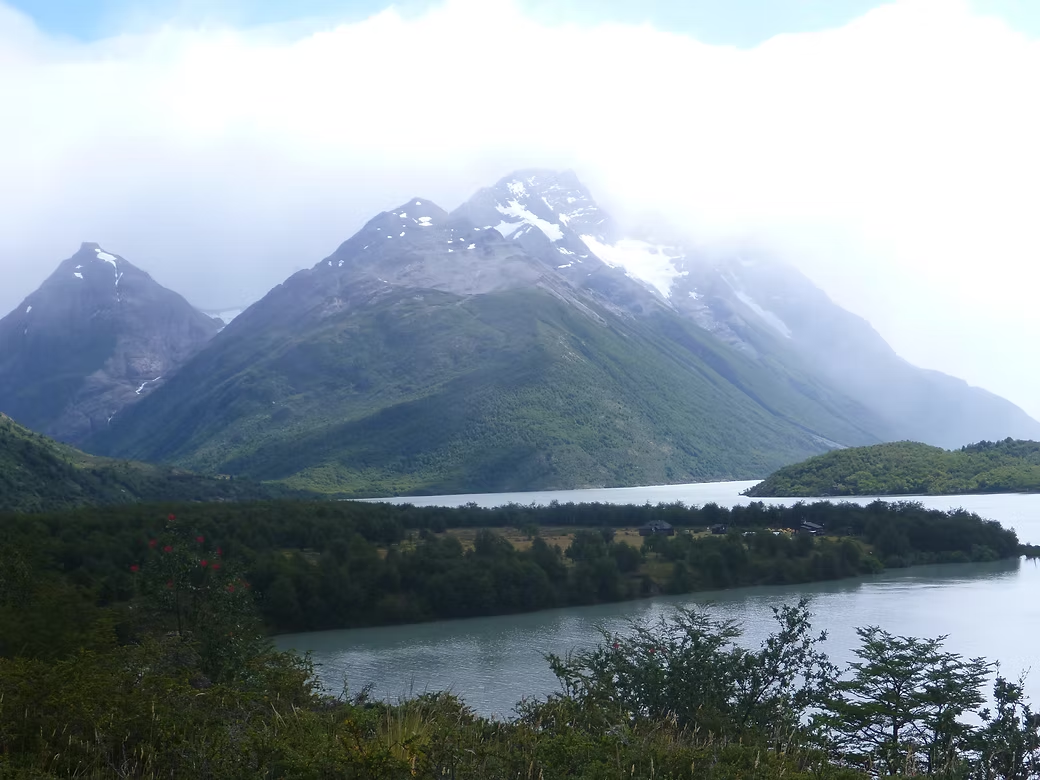

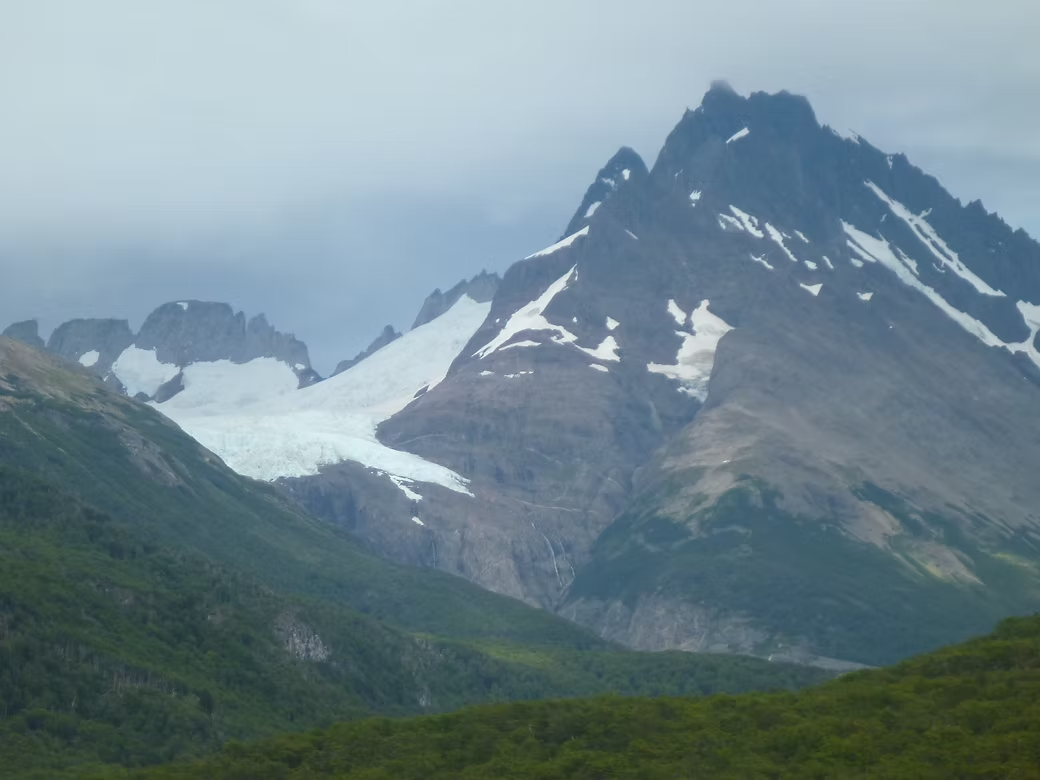


2020 Chile - Torres del Paine circuit
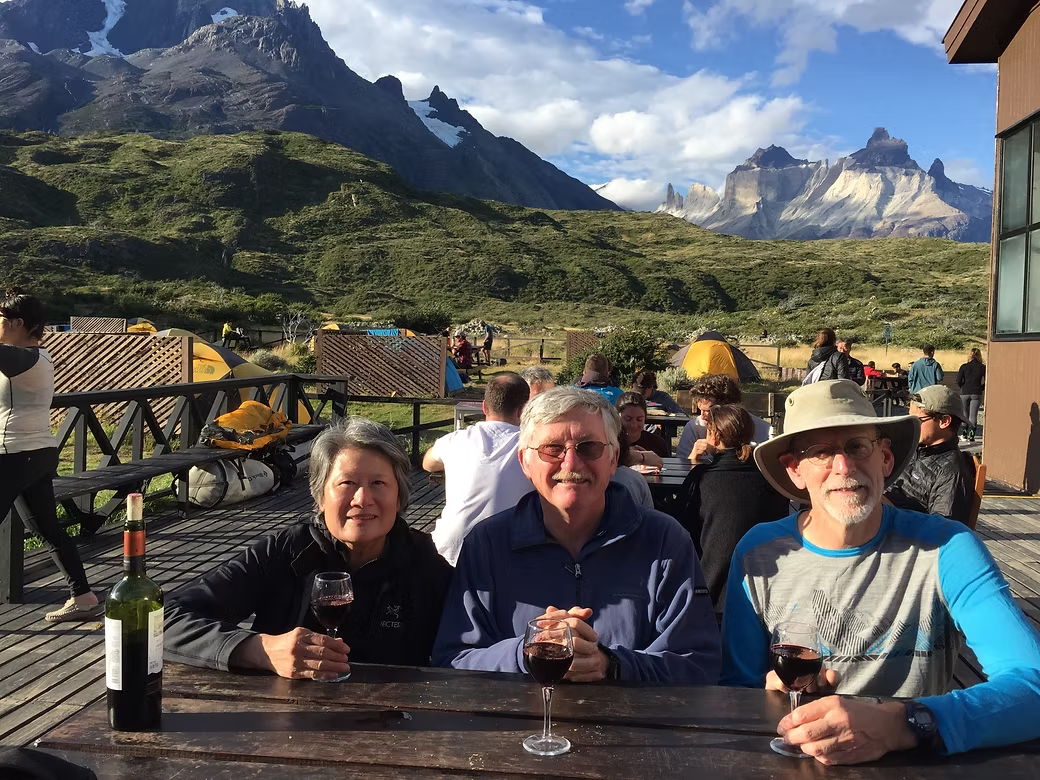
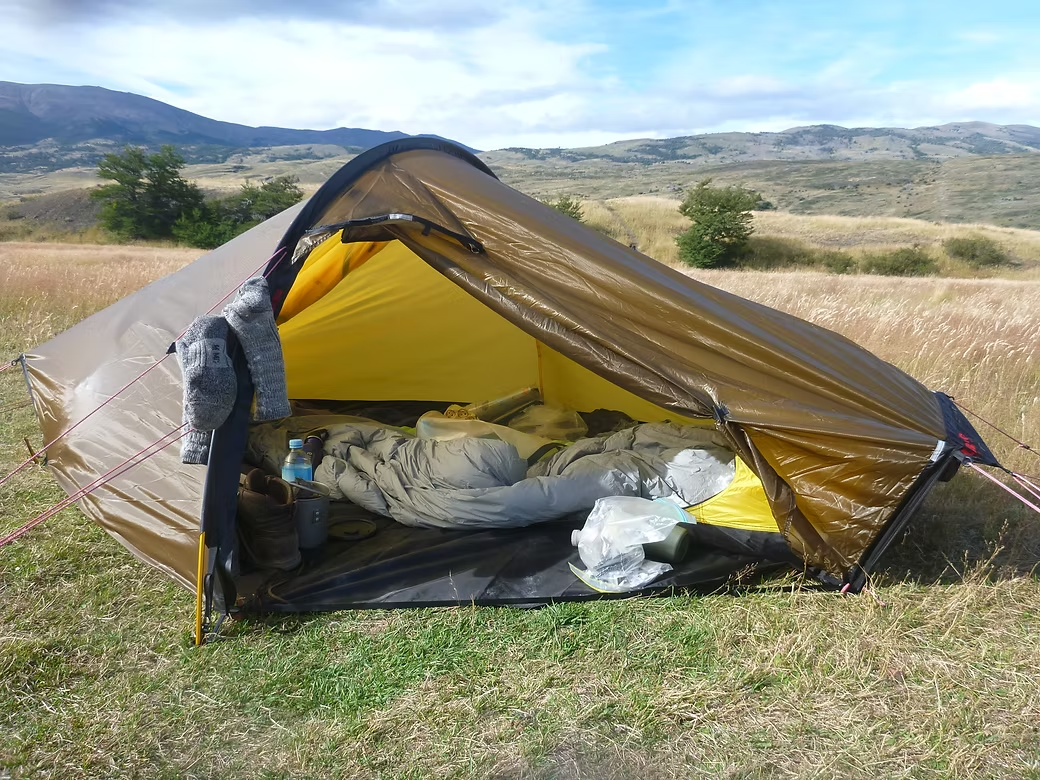
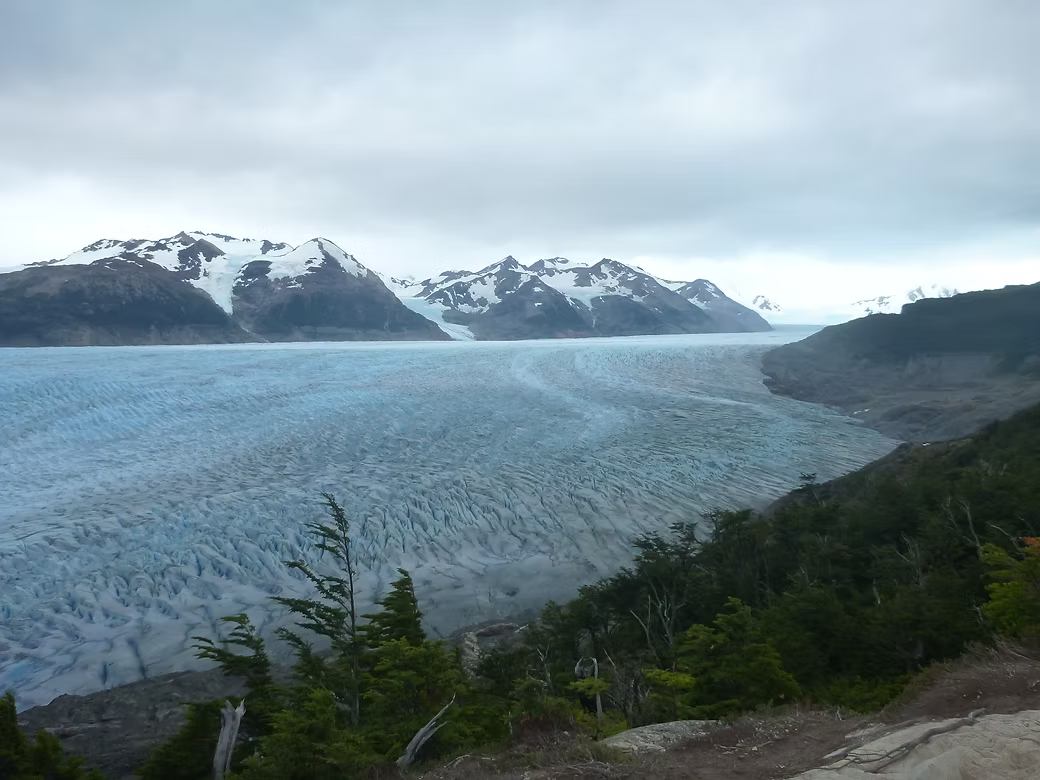
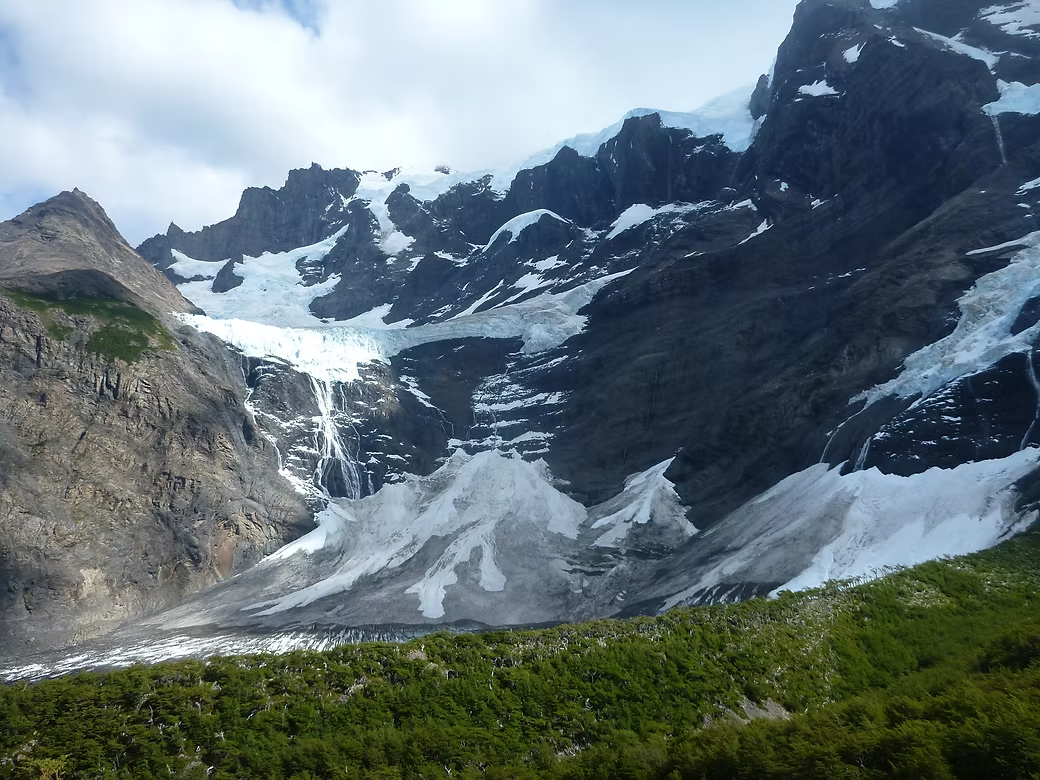
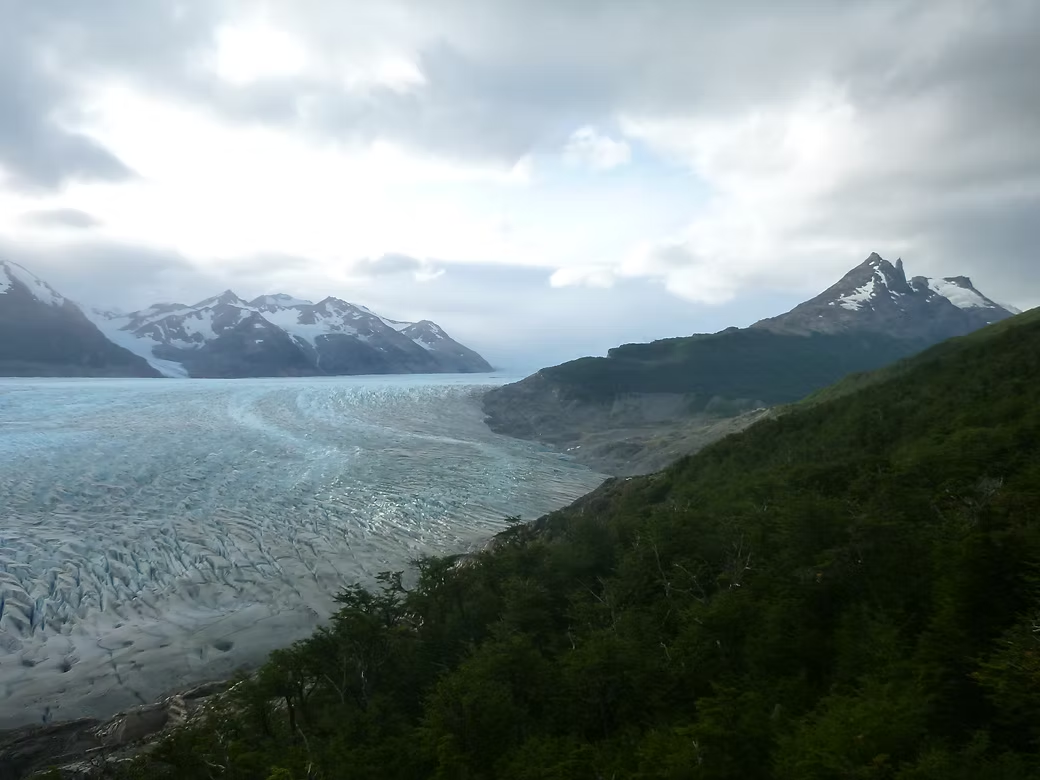
Immediately after a cruise to the Antarctic in February 2020, I walked the circuit route of Torres del Paine in Chile. While very busy, particularly the main W route, it is a spectacular walk with great views over the Patagonian Icecap. There was a brief period where I experienced the legendary strong winds crossing one of the passes but the weather on the day that I crossed John Garner Pass was relatively good. In some parts, the terrain is similar to New Zealand but the scale of the glaciers and the scale of the glaciers and the mountains is much greater.





2019 Iran - Zagros Range
Iran has the Alborz Range in the north to 5,600m and the Zagros Range in the middle that rises to 4,400m. In 2019, I did a 7 day trip to a remote part of the Zagros with a guide and interpreter. I would not normally join a guided tour but, I did so to walk in Iran, as local people in these remote areas would have no idea what you were doing and you’d have no way to explain as they will speak only Farsi or tribal languages.
This was an advertised trip with Adventure Iran but I was the only person that had signed up. As there were few foreign visitors to Iran (due to the US sanctions), they were happy to run the trip just for one person. The trip started in Shiraz and finished in Isfahan and the trip included all transport and meals. Their driver collected me from my hotel in Shiraz to drive me the 200km to Sisakht – the small town that is the gate to the Dena National Park.
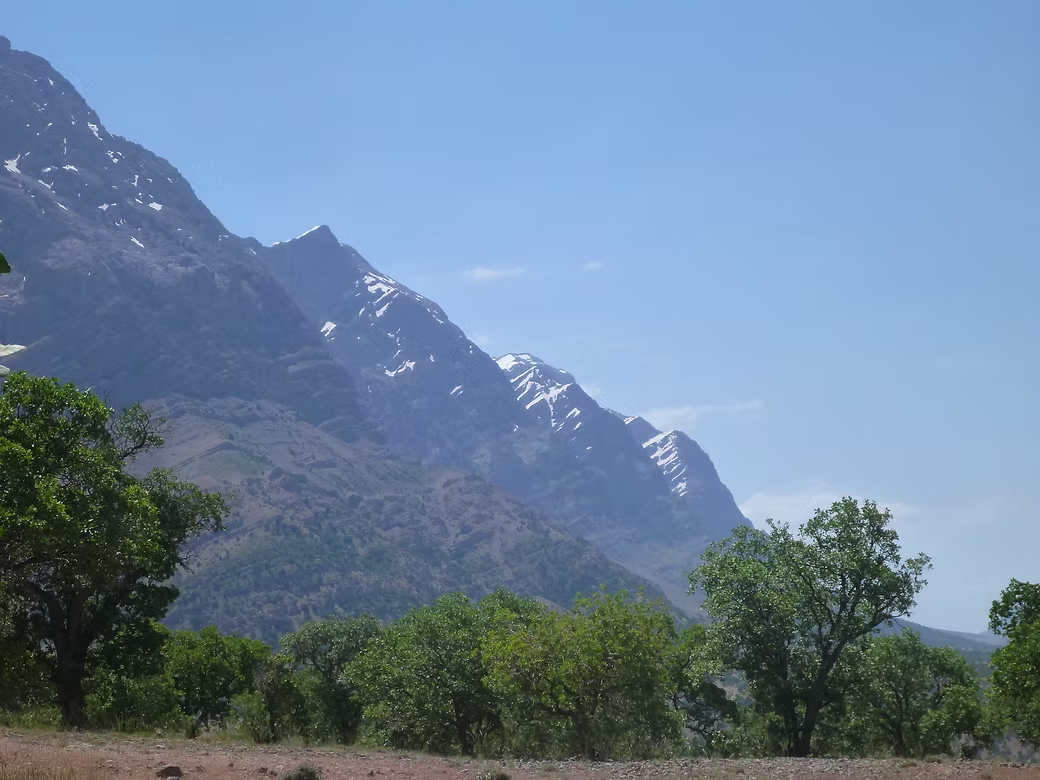
Sisakht is a lovely little town at 2200 meters altitude that is surrounded by 4000 meter plus peaks. There I met the interpreter Mr Reza who is the Tour Manager for Adventure Iran but he’d decided to come on this trip to do the walk himself and to check out some other walking alternatives nearby. He speaks excellent English as he has a brother in the USA and visits there regularly. Our guide Mr Tahmasebi was a local man aged in his thirties who has lived and worked in these mountains all his life and speaks the dialects of the nomadic herders that live in these mountains in the summer months.
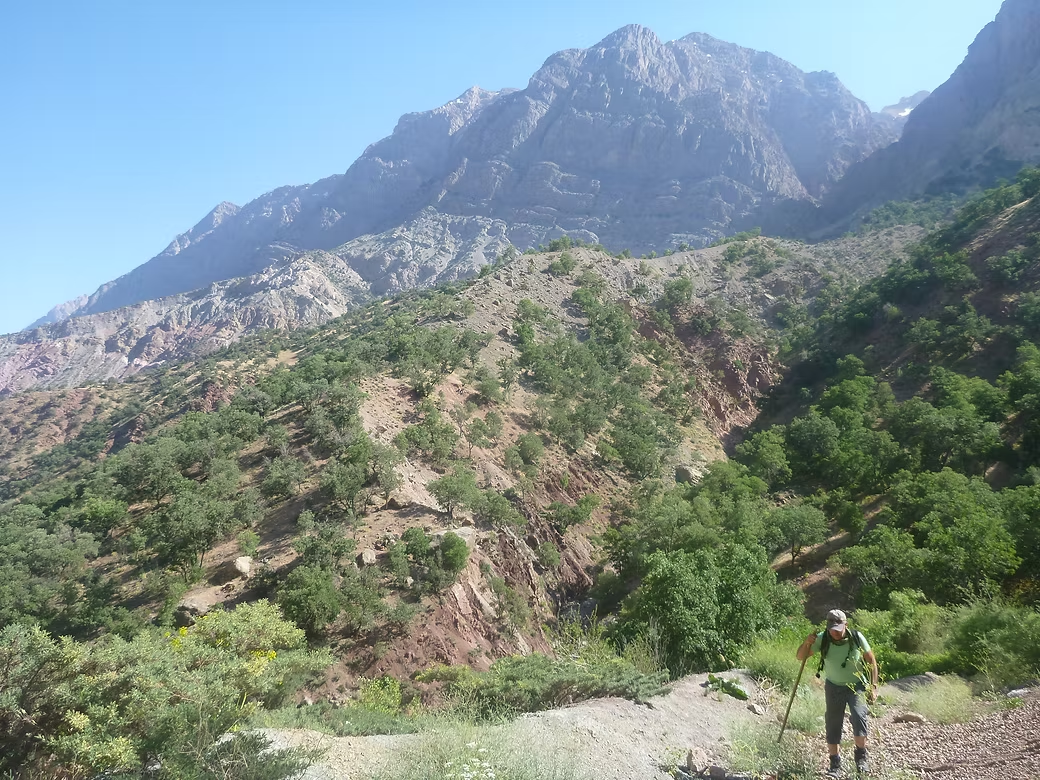
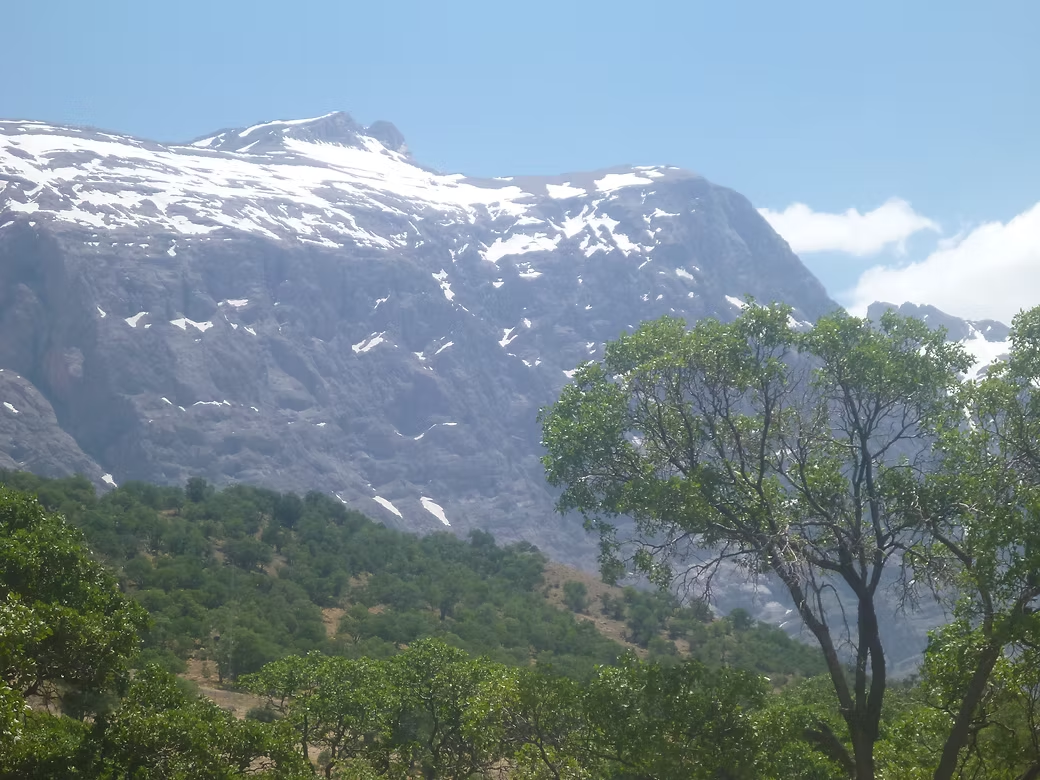
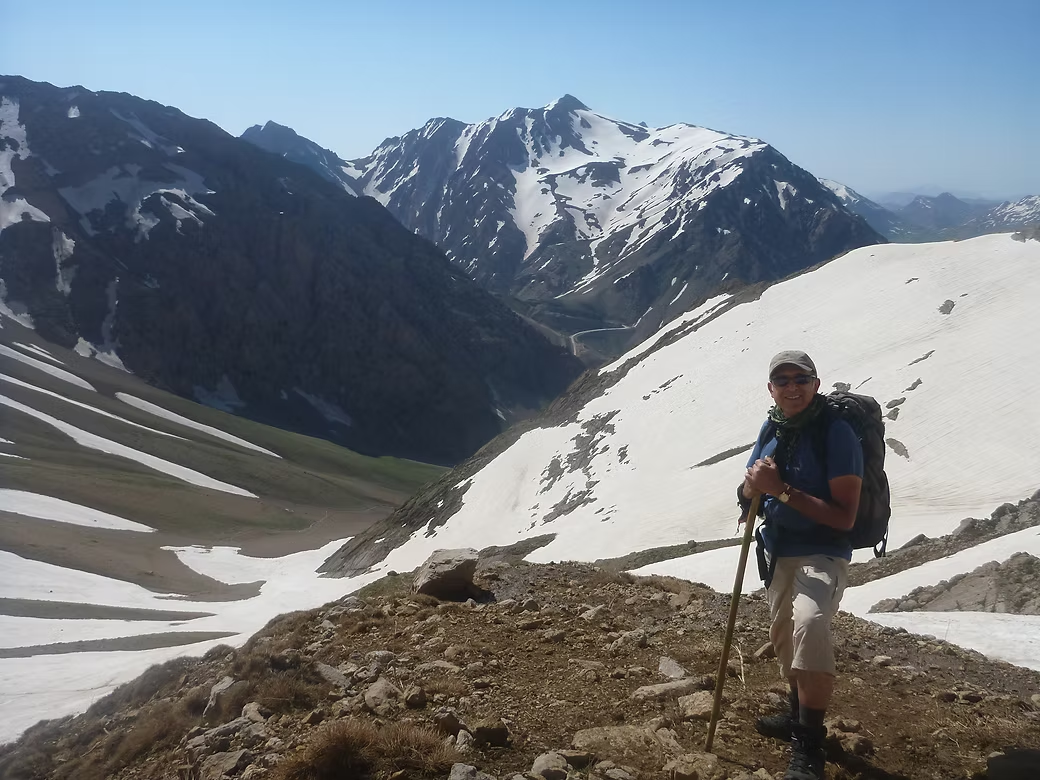
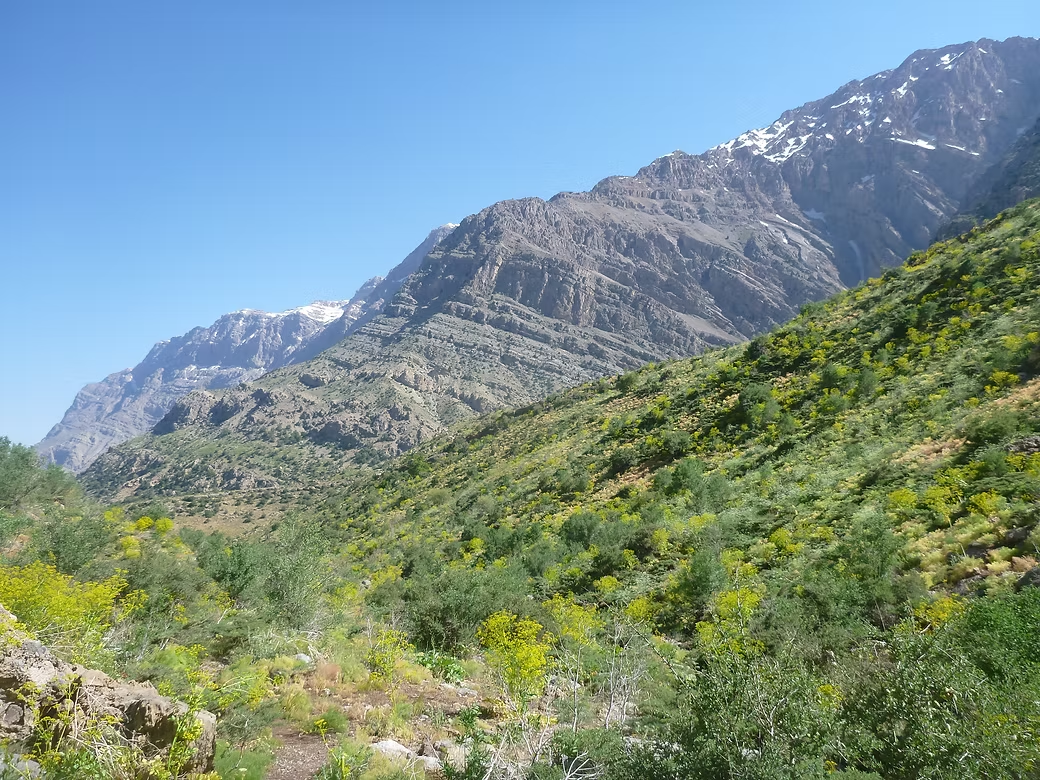
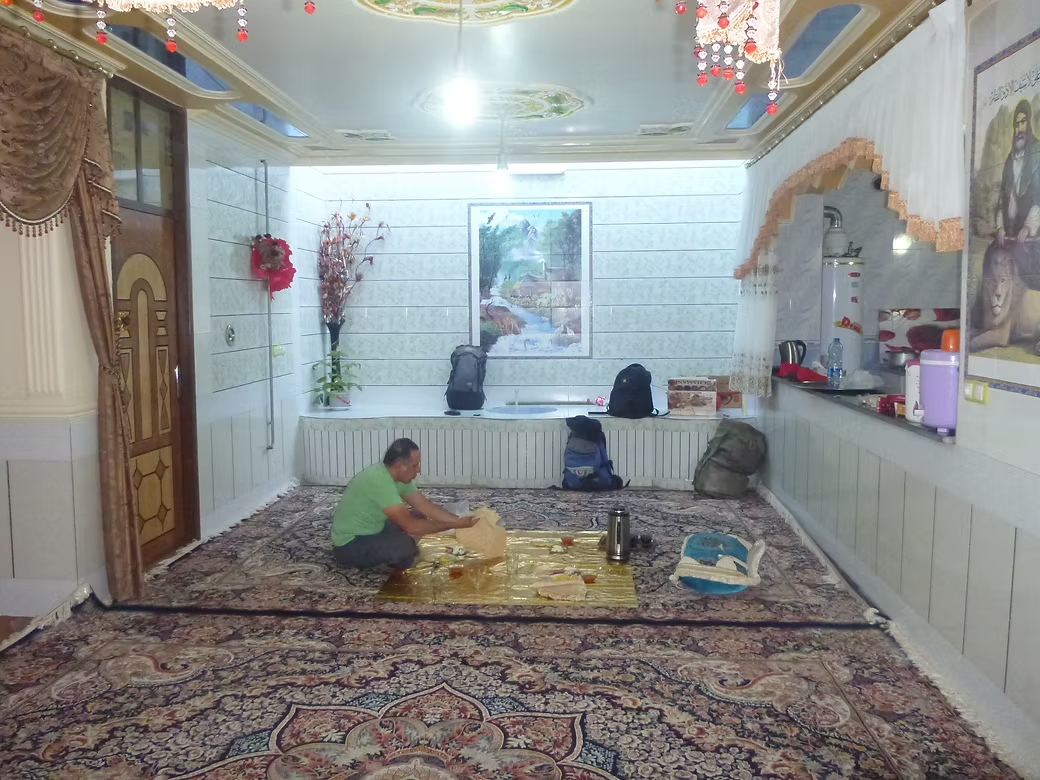
The walking over the next week was mostly on walking paths through the mountains and had spectacular views of 4000m peaks and deep ravines. The accommodation was mostly in large and comfortable village houses that we had to ourselves. Our hosts would spread a cloth on the floor and laid out our dinner. Iranian food tends to involve either kebabs or stews of meat or vegetables with rice and bread and it was always served in much larger quantities than we could eat. Kareh, the village where we stayed on the second night, had a copious supply of fresh water and specialised in farming Atlantic Salmon so four large fish were hauled out and grilled for our dinner that night.
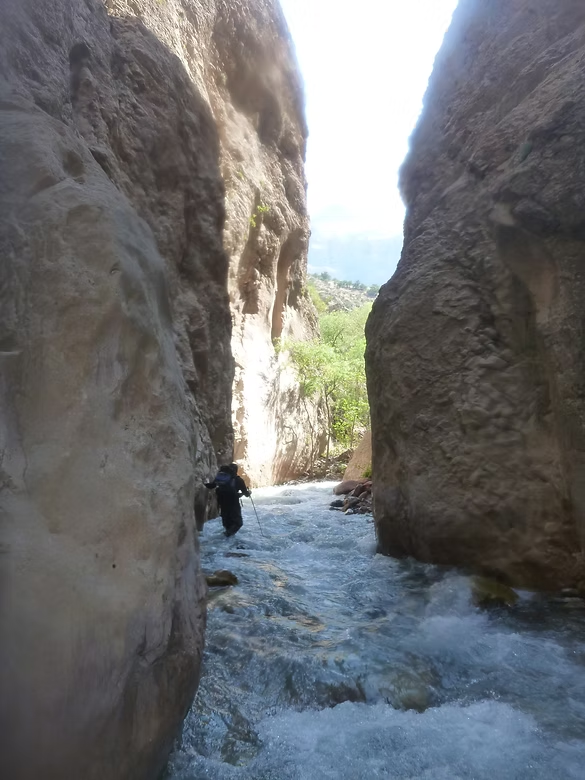
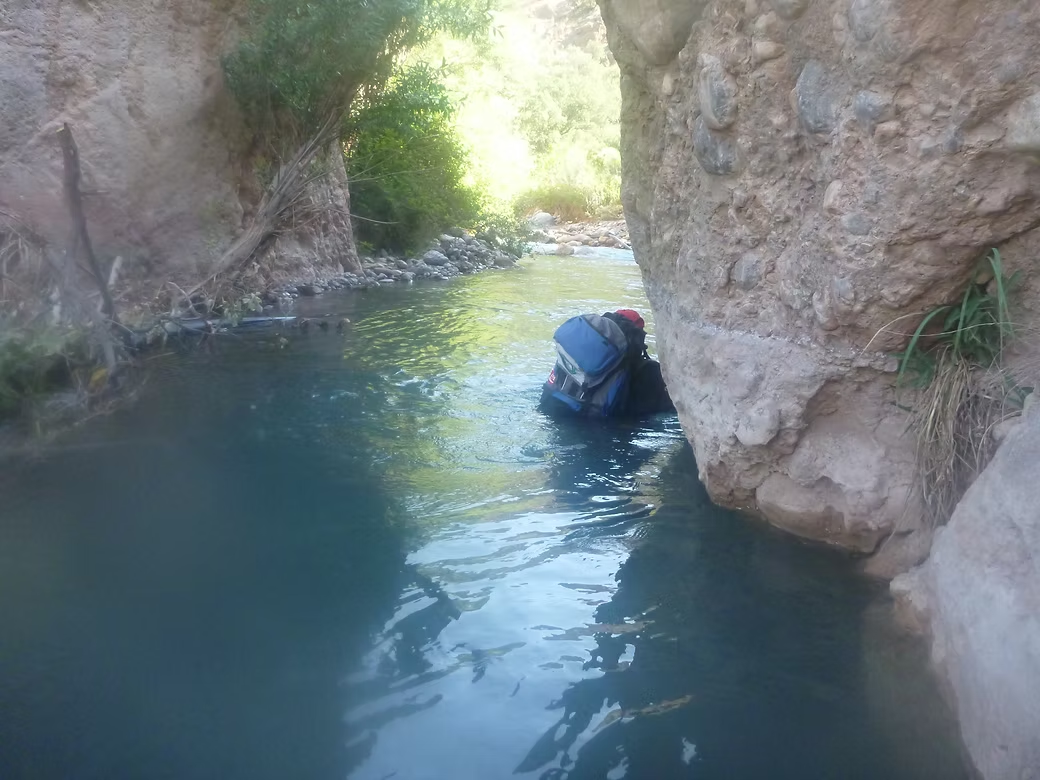
Our third day involved a steady climb through a gorge that progressively narrowed until there was no alternative but to drop into the river to get around a bluff. Despite the warm conditions, the water was cold and came up to our chests. We spent a couple of hours working our way up the gorge through water that was very fast flowing and deep. Tahmasebi is a very strong and capable young man and whenever I felt the current was getting too strong he always seemed to be nearby to offer a hand and pull us across.
At least once a day we would pass individuals or groups – shepherds with their flocks or friends and families out for a picnic – and, almost invariably, they would invite us to have tea with them. Reza’s fluency was such that, after a minute or two of conversation in Farsi, he would give me a brief summary in English about what had been said. When I then responded he’d repeat it in Farsi without missing a beat so his translation skills made you feel very much part of the discussion.
The last walking day involved climbing Hozdal peak at 4,359 meters (or 14,300’). We left early the following morning and set off climbing steeply over shale and scree until we reached the snowline. Tahmasebi had timed our departure so that the snow was “just right” for climbing – soft enough so that we could get a secure footing but firm enough that we didn’t sink too far in. By late morning we reached the Sichani Pass – an outcrop at 3,600 meters that had a great view over the peaks and the valley far below. As I’d had a bad cold all week, I didn’t think it was wise for me to ascend another 800m so told the others to go on. This was probably the right decision as they expected to be up and back in two hours but it eventually took them four hours to get back to where I was. Although it was a sunny day, the temperature at that altitude was cold so I’d put my jacket on and waited in a spot that was sheltered from the cold wind.


2007 Kilimanjaro climb
In 2007, I did a 7 day trip to climb Kilimanjaro via the Shira Route with two old friends from the UK. We made it to the top and then returned via the Mweka Route.”



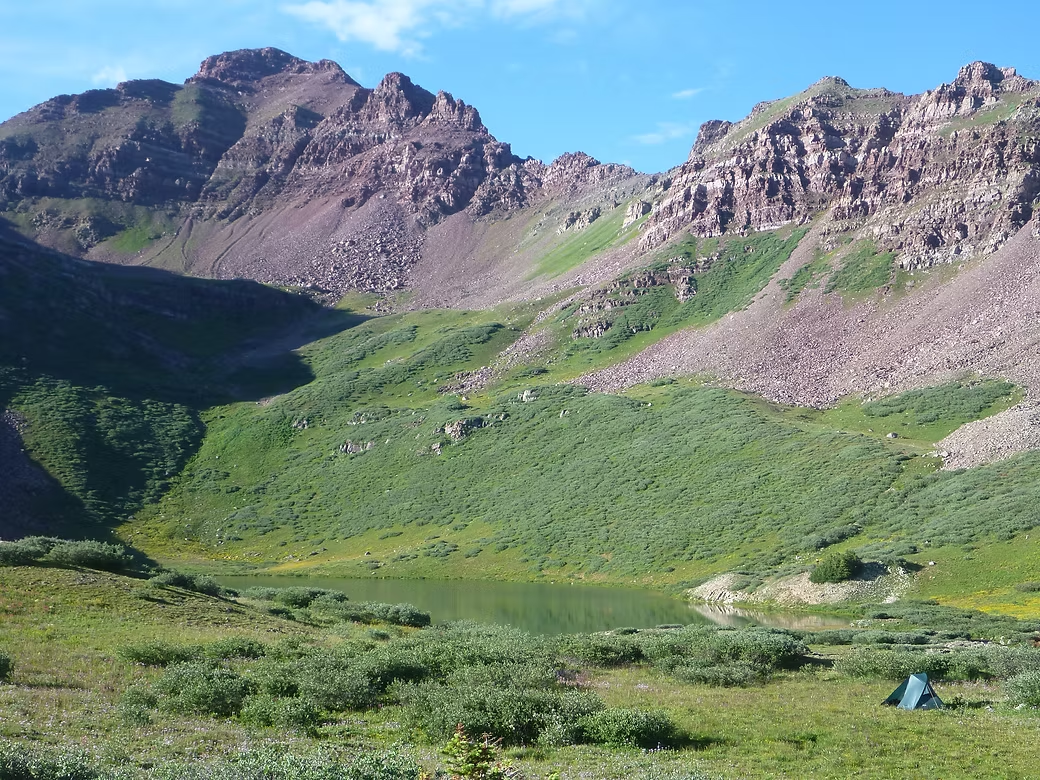

2003 USA Continental Divide Trail - Colorado


1990 Nepal - Kali Gandaki - Muktinath - Pokhara
In 1990, I engaged a local guide and porter in Pokhara and began walking down near the Nepal-India border. We walked up the Kali Gandaki Valley to Jomson and beyond to the pilgrimage site at Muktinath. We returned to Tatopani and crossed the range via Ghorepani and then finished at Pokhara.


1988 - Indian Kashmir - Harbagwan Pass
In 1988, Rosemary and I organized a seven day private trek in Indian Kashmir from Pahalgam. We had a guide, cook and ponyman and five ponies to carry the gear. We followed the pilgrim route toward Amarnath Cave via the Kolahoi Glacier and Harbagwan Pass and then returned to Pahalgam via Lidderwat. On the trip, we encountered only a few tribal people with their herds of sheep and goats. When we returned to Pahalgam, we found that violence had broken out in Srinigar and we were advised not to return to Srinigar as buses were being attacked on that route. Instead, we joined a bus that took us overnight to Jammu, the capital of Indian Kashmir, where we were able to catch a flight to New Delhi.